











Manic Panic and its Founders Tish and Snooky Bellomo Named Sally Beauty's 2026 Vendor of the Year
The award recognizes the partnership between Sally Beauty and Manic Panic.
by Stacey Soble
 MENU
MENU SEARCH
Terra Harvell is busy building the largest wealth-creation platform the salon industry has ever seen; one that shows owners how to build valuable, wealth-generating assets with an exit plan, while developing stylists into six-figure earners.
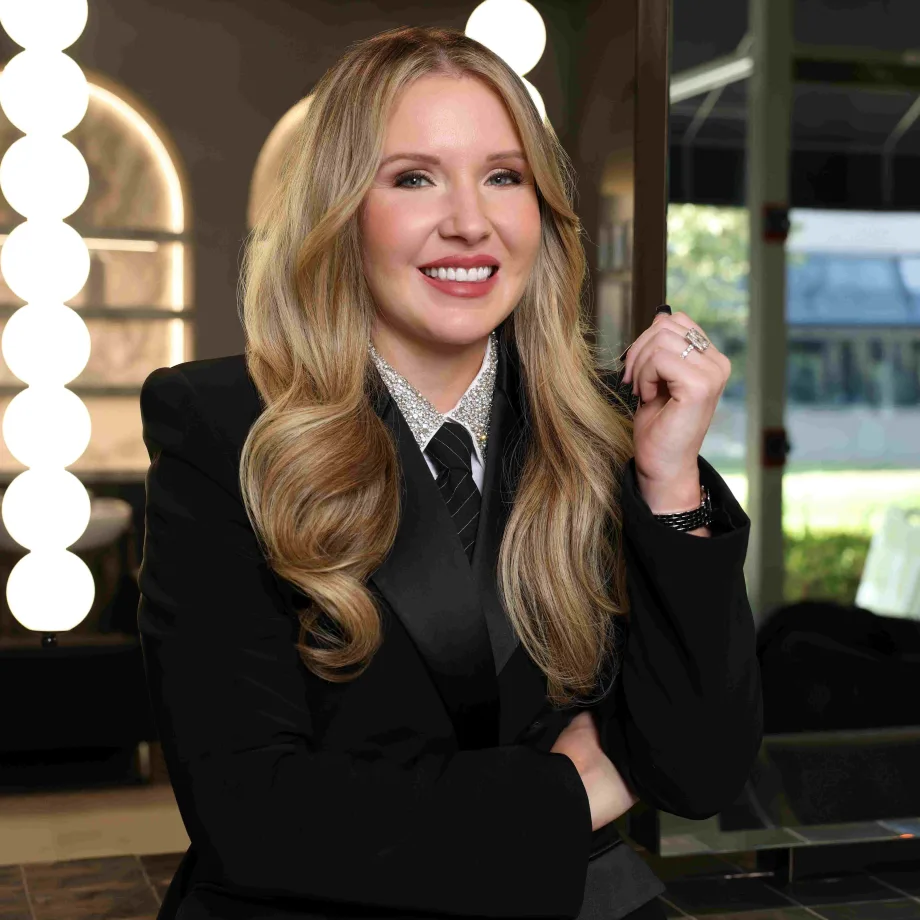
Terra Harvell is the CEO and Founder behind The Strata Salon Portfolio, the premium extension brand Harper Ellis Hair Co., and the salon operating model Strata Salon Systems. She busy building the largest wealth-creation the industry has ever seen; one that shows owners how to build valuable, wealth-generating assets with an exit plan, while developing stylists into six-figure earners.
Harper Ellis Hair Co
*Summarized by AI
Terra Harvell’s origin story in professional beauty is a tale as old as the industry itself, yet the success she’s unlocked and the companies she’s building today are remarkable. Her story took a turn when she refused to build her own salon just like everyone else.
Rather than accepting the professional beauty industry’s longstanding challenges as fact, Harvell repeatedly reimagined traditional salon models, creating new opportunities not only for herself and her team, but also for salon owners and stylists across the country.
The founder and CEO behind The Strata Salon Portfolio, the premium extension brand Harper Ellis Hair Co., and the salon operating model Strata Salon Systems has built each venture around solving a common problem she encountered firsthand.
Together, those companies form a growing business ecosystem, one designed to challenge outdated assumptions and give beauty professionals better systems for building profitable, sustainable careers and salon owners the strategies for building valuable financial assets.
In high school, Harvell was the girl who cut everybody’s hair, so when she decided college wasn’t the right path for her, she headed to cosmetology school.
“I’m deeply grateful for where I come from, but I’ve always wondered what could be possible if small-town hairstylists were given a real path to building generational wealth,” she says. “As I got into the beauty industry, I discovered that it’s a multi-billion-dollar industry, and it’s big enough that we can all win.”
Like most beauty pros, Harvell loves making people feel beautiful, but she also had a keen eye for the economics of beauty from the start. “For me, it was easy to reverse engineer my day as a stylist. If I did four color clients a day for $200 apiece, I brought in $800. If I did five, it was $1,000,” she says. “I figured out quickly that if I ran my business correctly, I could make more money than many college graduates.”
"What nobody teaches stylists is the difference between a client who is worth $480 a year, and the one who is worth $3,700, and why that gap isn't about service, it's about strategy."--Terra Harvell
For seven years, Harvell built a successful career as a stylist by focusing on hair extensions and other high-ticket services, eventually generating $750,000 a year behind the chair working four days a week. Her next career move was a natural one; she opened The Strata Salon Portfolio’sflagship salon in Fort Smith, Arkansas. “I quickly learned that just because you’re a successful hairstylist doesn’t mean you're a great business owner,” she remembers.
“At first it was easy to attract new talent to my salon because it was the shiny new penny in town,” she says. “But within a year, I had some of my top stylists leaving because I didn’t have the infrastructure and stability to keep them.”
Harvell says one year, her salon only made $8 in profit. “I quickly learned I needed to build the systems that taught my team how to build their success, just as I had built my own as a stylist,” she says.
Every year, thousands of stylists graduate into a profession that trained them to cut and color but didn’t prepare them to grow their own business. To pursue success, these stylists do what the industry trains them to do. They work harder, stay later, and take on more clients.
“They chase a ceiling that turns out not to be a ceiling at all, just a standard someone decided was enough,” Harvell says.
The median annual salary for cosmetologists is $35,250, according to 2024 data from the U.S. Bureau of Labor Statistics, nearly half the national average of $62,088 across all occupations.
“What nobody teaches stylists is the difference between a client who is worth $480 a year, and the one who is worth $3,700, and why that gap isn’t about service, it’s about strategy,” Harvell says.
Harvell set about creating an infrastructure that helped her team reach their full potential by embracing high-value color and extensions services that attracted the clientele willing to pay a higher average ticket.
She went outside the industry to seek mentors to help her build systems that replicated the success she had as a stylist for her own team members. At the same time, she sought mentors who helped her learn how to run a stronger business. It worked.
In fact:
“These numbers are service revenue only. They do not include retail sales. They do not include tips,” Harvell says. “These earnings are happening while working 36 hours a week or less.”
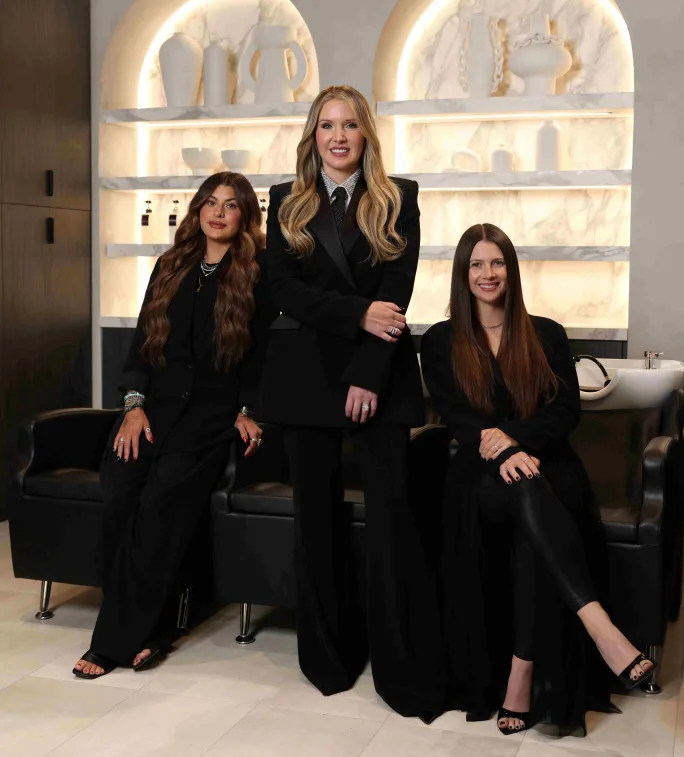
From left, Harper Ellis Educator and Executive Stylist Krysten Chandler, Terra Harvell, and Peyton Lamber, Strat Portfolio Owner and Stylist in Santa Clarita, California.
Harper Ellis Hair Co.
While Harvell was helping her team build their own success, she simultaneously launched Harper Ellis Hair Co., a premium hair extension brand anchored in the proprietary Concealed Bead Method.
Within her own salon, newly hired stylists are taught the extension method from day one. “We work on technique and timing immediately, and by the second month, they’re doing the Concealed Bead Method in 30 minutes or less,” she says. “We also encourage stylists to post on social media right away, because they need to start building their personal brand and authority immediately.”
Through Harper Ellis Hair Co.’s educational programs, Harvell and her team have worked with more than 10,000 stylists and salon owners to generate more than $305 million in new revenue over the last six years. Some of the systems she built to help her own team members build a strong book of business are concepts that Harper Ellis Hair Co. is passing on to the next generation of stylists.
When Harvell and her team teach about developing systems that build a foundation on high-ticket services, she often encounters resistance from owners who believe their market won’t support the same strategy. But the flagship Harper Ellis Salon is in a town of 80,000 right in the middle of Arkansas. “It’s a good illustration that every market has those clients who value high-end services and are willing to pay for them,” she says.
When asked if focusing on high-ticket services means saying goodbye to clients who are only interested in a trim and a root touch-up, Harvell says goodbye isn’t the immediate answer, but it may be the future for stylists as they gain more of those high-ticket, loyal clients coming in four to six times a year.
“As their books get full and they approach that $150,000 revenue mark, that is the time we really focus on their client mix, and we look at which clients may need to shift to another stylist, so they can focus on high-ticket clients,” Harvell says.
Harvell also cautions salon owners and stylists not to be short-sighted about their clientele. “You also never know when an average client can turn into a high-ticket service client because they are loyal to you and believe in what you can offer them.”
In the process of running and scaling her own salon, Harvell noticed the structural dysfunction everywhere she looked. Not only in her own business, but through every conversation she had with every salon owner who reached out and with every stylist who had been working full-time for a decade and still couldn’t make their numbers add up.
At the same time, as Harvell engineered new systems that addressed some of the industry’s systemic problems, she tapped into expertise, including attorneys, accountants, wealth managers, and entrepreneurs who were experts in scaling a business. Through all her data, conversations, and her own operational evidence, a system emerged that didn’t look like anything the industry had produced before.
Harvell herself hasn’t been behind the chair in more than five years. Harvell’s flagship salon, Harper Ellis Salon, generated $1.5 million in revenue in 2025 at a 27% net profit margin with 6-7 working professionals. The salon’s key success metric is that its average revenue per stylist is $190,000 annually, more than double the national average.
"Many salon owners work behind the chair, manage everything solo, and have constructed a business that exists entirely because of their presence. The moment they step away for a week, a season, or a health crisis, the business slows or stops."--Terra Harvell
Her team’s case studies are the kind of results that are challenging the traditional belief about what a salon career can look like. When the right systems, training, and business model are in place, hairstylists can build careers that are not only creatively fulfilling, but financially exceptional.
“These stylists aren’t outliers. They are what the system produces when the system is built correctly,” she says. That is Strata Salon Systems working exactly as it was designed to.
Harvell says Strata Salon Systems isn’t a consulting company: it’s a wealth-building platform for ambitious salon owners. Strata partners with owners who are willing to do the hard work required to build something truly valuable. Then, she goes beyond advice by investing capital, scaling alongside them, and creating a pathway to Wall Street-style exits in an industry where those opportunities have rarely existed.
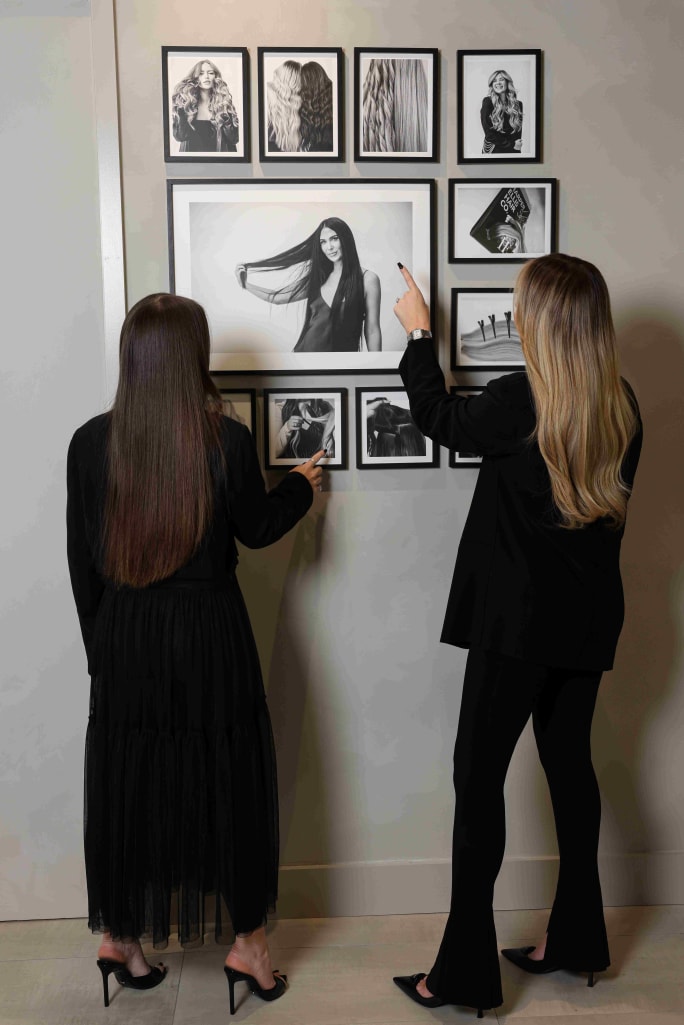
“I’m deeply grateful for where I come from, but I’ve always wondered what could be possible if small-town hairstylists were given a real path to building generational wealth,” she says. “As I got into the beauty industry, I discovered that it’s a multi-billion-dollar industry, and it’s big enough that we can all win.”
Harper Ellis Hair Co.
“Their first step in working with us is called the Strata Boardroom, a two-day workshop where we literally strip a business down to the bones and help owners understand not just the economics behind their business, but the processes that they do or don’t have in place, the gaps within their team, and where those team members need to be in order to scale.”
Then, a Strata salon owner moves into the consulting phase. “There’s a 90-day integration process where they receive a comprehensive scorecard that evaluates the health of every area of their business, from team management and operations to sales, marketing, finance, and reporting.”
Once the Strata team has a full picture of a business, they can identify the business’s specific break points and what it needs to scale.
Salons operating under Harvell’s Strata Salon Systems model achieve 20% to 30% profitability and see 30% to 50% revenue growth after implementation. These are operational outcomes from a system that has already been deployed, stress-tested, and is producing its own data to verify itself. Her recent salon launch in Santa Clarita, California, generated just over $65,000 in its first 15 days of business.
Results like that don’t happen by accident. They happen with real strategy, intentional execution, and a proven system behind the scenes.
Generations of salons have been built by owners who found success as beauty professionals. For decades, they work building their dream businesses, while dreaming that someday they’ll be able to sell their salons and step comfortably into retirement.
“The average salon business generates between $250,000 and $500,000 in revenue per year. Many salon owners work behind the chair, manage everything solo, and have constructed a business that exists entirely because of their presence,” Harvell says. “The moment they step away for a week, a season or a health crisis, the business slows or stops.”
“A buyer doesn’t buy that. A financial partner does not fund that. A wealth event doesn’t come from that,” she continues. “These businesses are not financial assets, they are jobs with overhead,” Harvell adds.

Through The Strata Salon Portfolio, Terra Harvell plans to partner with owners who are motivated to build a wealth asset within their salon.
Harper Ellis Hair Co.
What many owners don’t understand is that the value of their business is not determined by how much revenue it produces. It is determined by how much of that revenue survives without the person who built it.
An owner-dependent salon lacks systems, documented processes, distributed leadership, and clean financials. “When more than 50% of a salon’s revenue comes from the revenue an owner produces through his or her own services, buyers consider that a significant acquisition risk, and price it accordingly,” Harvell points out.
A systemized, owner-independent salon operates with a defined compensation framework, structured management systems, documented performance metrics, and distributed leadership.
“It can command a higher multiple, a 2 times to 2.8 times valuation,” Harvell says.
But even then, consider the economics, Harvell urges. “A million-dollar salon producing roughly $200,000 in EBITDA (Earnings Before Interest, Taxes, Depreciation, and Amortization) may represent an asset worth somewhere around $600,000,” she says. “For an owner who has spent years white-knuckling the business, carrying the risk, managing the people, solving the problems, and sacrificing their time, that outcome may not feel like life-changing wealth.”
Most salon owners don’t realize that until it’s too late. “To me that’s one of the biggest disappointments in our industry,” she says. “They spend decades building a business, only to discover at retirement that they haven’t actually built a valuable asset. In some cases, they’re left selling the equipment, closing the doors, and calling that their exit.
Harvell wants to change that equation entirely.
Through Strata Salon Systems, she is building an ecosystem and portfolio of salons designed to scale beyond the economics of a single location, with a long-term target of more than $500 million in enterprise value. At that level of scale, the conversation around valuation changes dramatically, with the potential for double-digit multiples depending on the company’s growth, profitability, recurring revenue, and market position.
“That’s when the business becomes more than a job or even a successful salon,” she says. “It becomes an asset capable of creating real, generational wealth for the people inside it.”
The difference between those two outcomes isn’t talent. It isn’t how hard the owner works. It’s infrastructure.
“And, that infrastructure is exactly what Strata Salon Systems is designed to install, building the systems, leadership, financial discipline, and operational foundation alongside founders within its portfolio so they can build businesses that are not only profitable today, but valuable tomorrow.”
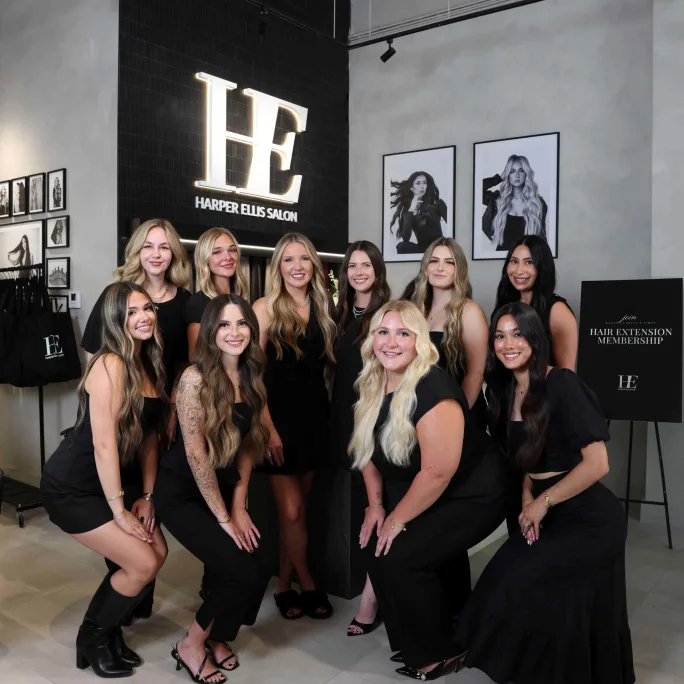
The team at the newly opened Harper Ellis Salon Santa Clarita. In 2025, the flagship Harper Ellis Salon in Arkansas generated $1.5 million in revenue at a 27% net profit margin and the average annual revenue per stylist is $190,000.
Harper Ellis Hair Co.
For years, Strata Salon Systems worked with owners from the outside, auditing their businesses, installing systems, and coaching them toward a stronger exit. Now, through The Strata Salon Portfolio, Harvell and her team are putting their own capital directly into the salons they believe in, becoming financial partners in the businesses rather than outside advisors to them.
These portfolio salons are structured as joint ventures, creating strategic partnerships between Strata and the salon owners who join the portfolio, with Harvell’s team investing capital alongside the owner’s sweat equity. Harvell likens it to shared management. In this vertically integrated salon enterprise, the operating system, the product supply chain, the compensation architecture, and the governance structure work together to create wealth; not just for the owner, but for every stylist on their team who shows up, executes the systems, and contributes to building something designed to grow in value over time.
“We are partnering with owners who are already great, and who are really motivated to build a wealth asset with their salon,” she says. “In these joint venture partnerships, we install all of our systems, and help these owners scale and even expand to multiple locations within their market when demand supports it.”
The team members working in these salons don’t simply get a better-managed salon. They get a base salary, performance bonuses, revenue share for senior levels, a clear advancement path, enterprise-level support, and equity participation in a portfolio exit that no independent operator could access alone.
"We are partnering with owners who are already great, and who are really motivated to build a wealth asset with their salon."--Terra Harvell
“If you’re an owner like me, you want to build something that creates the opportunity for a successful exit one day and to reward the team that helped you build it,” she says. “That’s the kind of impact that I’m looking to make, whether that’s 50 to 150 salons all running in unison with strong process and systems. That’s the kind of business that attracts real investors. We’re building a business where owners can be part of an asset that’s bigger than just them.”
Harvell says the sweet spot for a Portfolio salon is one that operates between $500,000 and $600,000 in annual revenue, but she is interested in bigger businesses that have plateaued as well. She’s also looking for owners willing to put their emotions aside and look at the hard data on their businesses, who are willing to invest in themselves and are interested in the tools she provides to help them scale from there.
Today, Harvell is looking for the right people to partner with, regardless of where their salons are located. “I believe partnerships are like a marriage, you have to choose each other every day, and you need to agree,” she says. “And while there are disagreements in partnerships, I believe when you know your lane and what you’re responsible for, those disagreements don’t come as often.”
The second Strata Portfolio Salon opened in Santa Clarita, California, this summer, and a third is projected to open in Parker, Colorado, this fall. The company is on track to add 10 to 12 salons to the Portfolio next year, with capital deployed into each one alongside its owner.
“It’s really hard to run a salon, and I’ve noticed that some owners become coaches because it’s easier to give people advice than it is to do it yourself,” Harvell says. “What I’m really proud of is I’ll be in the trenches with these Portfolio owners, continuing to build my own salon as we help them build theirs. But our company also brings together marketing, legal, and financial experts who help us develop our stylists and build successful, sustainable salons.”
A major piece of Harvell’s vision is the partnership she’s building alongside Natalie Dawson and her team of experts. Dawson cofounded Cardone Ventures in 2019 and helped scale the company to more than $250 million in revenue, with more than $1 billion in businesses under management.
“For me, finding the right partner meant finding someone who had already proven they could build and scale businesses at an extraordinary level outside of the hair industry,” Harvell says. “Natalie brings a level of operational expertise, scale, and business acumen that I believe this industry has been missing.”
Harvell brings the deep industry knowledge, salon infrastructure, and firsthand understanding of what beauty entrepreneurs need to scale. Dawson brings a proven track record of building enterprise value at scale.
Together, the two women have an ambitious goal: to redefine what wealth creation can look like for women in the professional beauty industry and to build something at a scale the industry has never seen before. “We want to help women build serious companies, create significant enterprise value, and ultimately build real wealth through business ownership,” Harvell says.
When Harvell looks down the road five years from now, she envisions making big headlines for building something the industry hasn’t seen before, and for making salon owners millionaires, if not multimillionaires.
“Most owners will never build a business they can exit, but that doesn’t have to be the outcome,” Harvell says. “The question is whether you are building inside it or still waiting for an industry that was never designed to make you wealthy to change on its own.”
With The Strata Salon Portfolio now putting real capital behind that infrastructure, Harvell isn’t waiting for the industry to change either. She’s building the future she wants to see, one salon at a time.
Terra Harvell's platform focuses on creating wealth-generation opportunities in the salon industry by helping salon owners build valuable assets and develop stylists into six-figure earners.
*Summarized by AI
The award recognizes the partnership between Sally Beauty and Manic Panic.

The easily wearable formula delivers XL volume, extreme length, and a weightless, lifted finish without the heaviness of traditional volumizing mascaras.

The professional haircare brand is certified under Standards Version 2.2, reflecting renewed accountability across seven social, environmental and governance impact topics
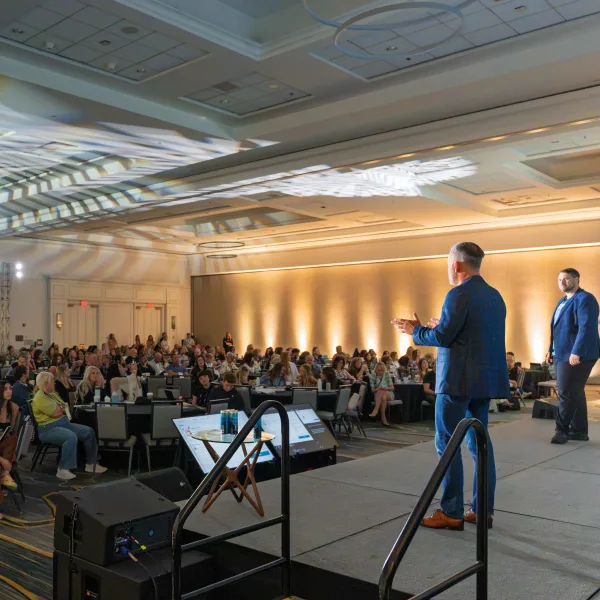
MeevoIQ brings a team of AI-powered Advisors to Meevo, giving salon, spa & med spa owners the growth tools, business intelligence, and front desk support they need with full visibility and control at every step.

In September 2024, Hurricane Helene completely destroyed 20-year-old Wink Salon's flagship location and 70% of its business. In this exclusive story for SALON TODAY, Owner Christine DiBenedetto shares their two-year rebuilding journey, and how their main location is a different business.

In his latest blog, Leon Alexander Ph.D., challenges industry conventional thinking to help owners add more to their bottom lines.

Your body doesn't necessarily tell the difference between a promotion and a deadline. In her first wellness blog for SALON TODAY, Wellify Co-Founder Laura Fuqua explains why even good stress has an impact.

Popping up across the UK, Menopause Cafés are helping women seek professional help with their menopause journeys. What better place to play host to one of these gatherings than a spa?

In her latest blog, Amy Pal helps you develop your own clear guidelines around complimentary free employee services.

From managing air traffic on busy days to handling frustrated guests' complaints, your front desk team often serves as the salon's emotional shock absorber. From a customer service lesson from the DMV to a list of strategies for caring for your front line, our experts offer ideas for alleviating stress, celebrating wins, and setting goals.

A great salon experience starts well before the appointment. See how beauty businesses are using digital forms, automation, and AI to simplify routine work and create a more seamless experience for every client.
Sponsored by Jotform

The new book draws on 42 industry leaders across nine countries to map the four phases of growth from a single location to institutional scale.

After decades in an industry where professionals have not always been adequately educated on caring for non-straight hair, hair artist Kimberly Michelle created a brand designed to help bridge that gap, both behind the chair and at home.
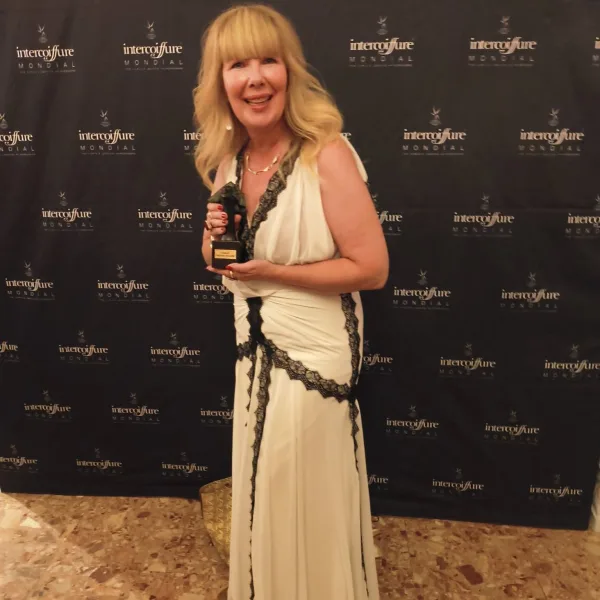
Minneapolis Native Heidi Breivik-Wetzel receives an "Elegance" award from Fondation Guillaume as part of the Intercoiffure Mondial celebration in Paris.

AI is changing the game for salons and spas. Hear how four owners are using AI to recover revenue, automate bookings, boost team performance, and uncover new growth opportunities.
Sponsored by Aura Zenoti Co-Sponsor

The International SPA Association recently announced that Jefferson Fisher, Jamie Kern Lima and Zack Kass are the keynote speakers for its 2027 Conference, scheduled for March 3-5 at Mandalay Bay in Las Vegas.

According to the KIM Report, top-line salon revenue appears steady or slightly up, but that growth is driven primarily by service price increases. Beneath the surface, retail performance and client visit frequency (appointment drift) are under real pressure. In his latest blog, Alain Audet offers strategies for keeping your salon's retail sales strong.