In September 2024, Hurricane Helene completely destroyed 20-year-old Wink Salon's flagship location and 70% of its business. In this exclusive story for SALON TODAY, Owner Christine DiBenedetto shares their two-year rebuilding journey, and how their main location is a different business.
by Christine DiBenedetto, Co-Owner of Wink Salon
October 2, 2026
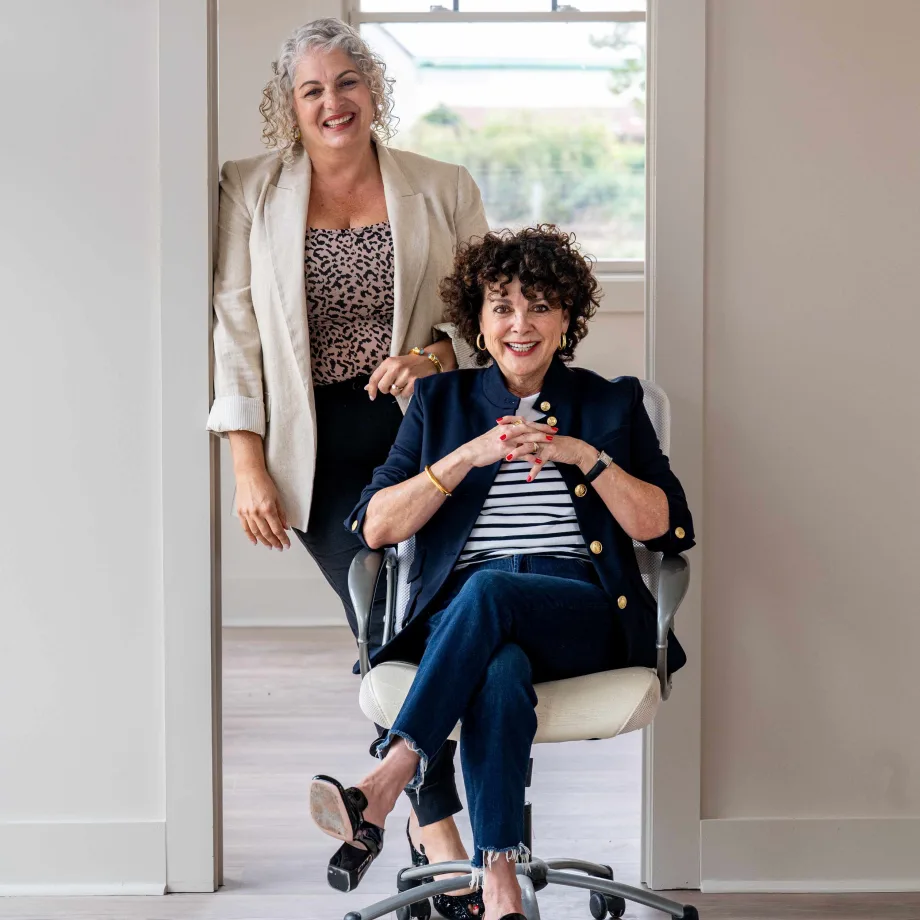
Two years after losing their flagship Wink Salon location after Hurricane Helene struck Asheville, North Carolina, Christine DiBenedetto and Gilda Santiago are opening a stronger, better business.
Credit:
Wink Salon
9 min to read
In 2024, Hurricane Helene devastated Wink Salon, destroying its flagship location and significantly impacting its business.
Owners Christine DiBenedetto and Gilda Santiago undertook a two-year journey to rebuild and redefine the salon's main location.
The transformation resulted in a new business model that marks a significant departure from its original form.
*Summarized by AI
For 22 years, Wink Salon has been a fixture in Asheville, North Carolina's beauty scene. Co owners Christine DiBenedetto and Gilda Santiago built an employee-focused business centered on education, career development and entrepreneurship. Twenty years into their business journey, Wink had two locations – a 22-chair salon in Biltmore Village and an eight-chair salon near downtown Asheville. On September 27, 2024, Hurricane Helene struke western North Carolina and destroyed Wink’s flagship location and, with it, more than 70% of its business.
Overnight, the business went from 30 chairs to just eight. Thanks to years of careful business planning, a caring community of stylists, and a hefty dose of faith in themselves and their business model, Wink Salon will reopen its flagship location in October 2026 – a full two years after Helene struck.
Ad Loading...
Rather than simply rebuild what was lost, Santiago and DiBenedetto used their experience to rethink their business, their leadership, and what they want Wink’s next chapter to look like.
As Wink prepares to return to Biltmore Village, co-owner Christine DiBenedetto reflects on surviving the storm, rediscovering their business, and rebuilding with greater intention:
Biltmore Village, which houses Wink Salon's flagship location, surrounded by floodwaters after Hurricane Helene.
Credit:
Wink Salon
SALON TODAY: What was your immediate response when you learned that Wink Salon in Biltmore Village had been destroyed, and what were the first decisions you made to keep Wink operating?
Christine DiBenedetto: "It wasn’t real until we saw it. We had no cell service, no internet, no television, and Gilda and I were having two completely different experiences of the same disaster. I had a house full of kids I was trying to take care of, and Gilda made it to Biltmore Village before I did.
"I will never forget her walking down my street crying and saying, 'It’s gone. It’s gone.' 1 There were moments when we cried, and strangely, there were moments when we laughed. I think our brains were trying to process something that simply didn’t make sense. How could the business we had spent 20 years building just be gone?
Ad Loading...
"After we saw the destruction, we went immediately into triage. We needed cell service and access to the internet to figure out what had happened to our team and start making decisions. Were our people safe? How were we going to communicate with everyone? What bills and automatic expenses were still being drafted, and what could we shut down immediately to assess the situation? We had to leave the area to get cell and internet service.
"At the same time, we were trying to navigate FEMA and the Small Business Association and understand what resources might be available to us. There wasn’t some beautifully organized disaster-recovery plan that kicked in. We were two business owners in shock, trying to protect our people, stop the financial bleeding and figure out the next right decision."
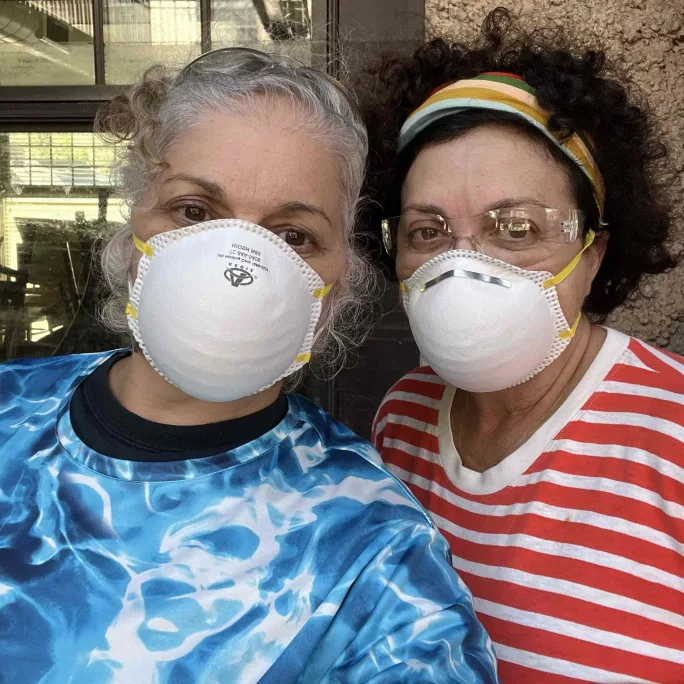
Still traumatized, Christine DiBenedetto and Gilda Santiago are masked up and ready to get to work cleaning up the debris from Hurricane Helene.
Credit:
Wink Salon
ST: What business decisions did you make before Hurricane Helene--particularly around financial management, cash flow and reserves--that ultimately positioned Wink to survive the loss of its flagship location?
DiBenedetto: "Ironically, for years I had been talking about “preparing for a rainy day,” much to Gilda's occasional annoyance. I don’t think either of us imagined quite that much rain.
"Financial security has always mattered to me. From the earliest days of Wink, I believed in putting money away, even when it was only $50 a week. As the business grew, I became very focused on cash flow. I knew what was coming in, going out, what we owed and where we were vulnerable.
Ad Loading...
"That doesn’t mean we made every financial decision perfectly. We tried things that didn’t work and we learned some expensive lessons. That is part of running a business for 20 years.
"But we were always serious about our financial responsibilities. We paid our bills. We made payroll. We didn’t bounce checks. And we understood that an employee-based 2 salon can operate on relatively thin margins, so cash management was something we paid close attention to.
A vibrant art installation above the color bar stands as a reminder of happier days at Wink Salon.
Credit:
Wink Salon
"Before Helene, the “rainy days” I was preparing for were things like losing a top producer, an unexpected slowdown, or a major capital expense. I never imagined losing our entire flagship location.
"Our reserves weren’t enough to absorb something this big, but they gave us some breathing room. We didn’t have to make every financial decision from a place of panic. We could pay what was necessary, take care of our people as best we could, and give ourselves a little time to figure out what we were going to do next."
ST: After more than two years away, you are returning to Biltmore Village—but you aren't rebuilding the same salon. Why was it important to downsize your footprint and redesign your commission structure rather than simply restore the 22-chair model you had before?
Ad Loading...
DiBenedetto: "After Helene, we realized we didn’t want to simply rebuild what we had. We asked ourselves a much better question: if we were designing Wink today, with 20 years of experience behind us, what would we keep, what would we change, and what would we no longer need?
"Before the storm, we were very focused on growth. Some of that served us incredibly well, but over 20 years you also accumulate layers. You adopt ideas from consultants, educators and different seasons of the business, and eventually you can end up with a model that is more complicated than it needs to be.
"Being forced out of our space gave us the distance to see that.
"We chose to let go of a portion of the salon and return with a smaller, more intentional space within Biltmore Village. At the same time, we looked closely at our commission and compensation structure, our staffing, where we were creating unnecessary expense or waste, and where our systems were creating barriers instead of supporting people.
"We also asked different questions: What do younger stylists need to build sustainable careers today? Is our compensation structure competitive for recruitment and retention? Where can we simplify without sacrificing quality? What kind of business do we actually want to lead for the next 10 or 20 years?
Ad Loading...
"That is one of the unexpected gifts of this experience. We aren’t starting over. We’re starting again with 20 years of information. Instead of rebuilding a collection of strategies accumulated over two decades, we had the opportunity to reclaim the business, simplify it, and be much more intentional about why we do things the way we do."
ST: How did you support and retain your team during such a disruptive period, and what did that experience teach you about the importance of culture and communication in a crisis?
"It was messy. I don’t think there is any value in pretending otherwise.
"Everyone was dealing with their own trauma. Some people had major damage to their homes, trees down, no power or water, and many of our younger team members and support staff were living paycheck to paycheck. We started communicating through our WhatsApp thread, but at first we were trying to figure out who was OK. There were people we couldn’t reach at all.
"Then the practical realities started coming very quickly. We had to communicate about emergency unemployment, what we knew and didn’t know about the salon, and make suggestions for what they might do next. We knew we had an eight-chair second location, but there was simply no way we could bring the full team back together.
Ad Loading...
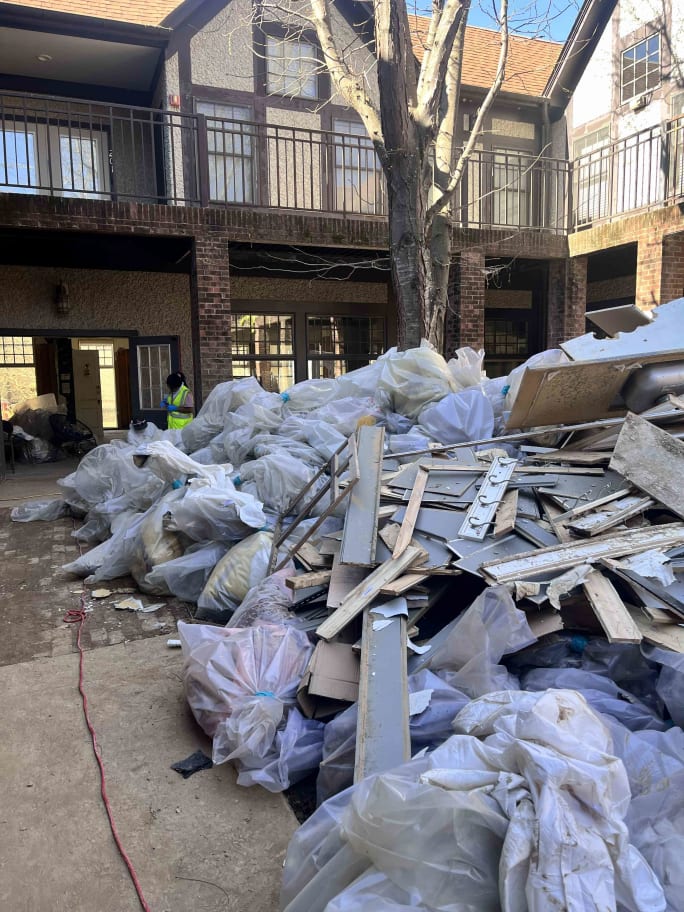
Bags of debris outside Wink Salon during cleanup.
Credit:
Wink Salon
"People went in every direction. Some left Asheville. Some left the industry. Some started doing their own thing once power and water were restored. Some were simply too traumatized to think about work yet. And then some people called and said, “I’m ready. What can I do?” We started putting those people behind chairs and getting back to clients as quickly as possible.
"That first year, we were barely holding it together. When we started working again, we had to do it on a very tight budget. We had lost our largest location and a huge amount of revenue, and we simply could not bring back all of the support staff or operate the way we had before. People lost jobs. People were disappointed and angry. And I understand that. But the truth is, we were learning as we went because none of us had ever been through anything remotely like this.
"We were making decisions based on what we knew that day and what the business could actually afford. Sometimes those decisions were painful, but if Wink was going to survive, we had to make them.
"What I learned about communication is that you don’t have to have all the answers to communicate well. In fact, most of the time we didn’t have the answers. We just kept talking to people. We told them what we knew, what we didn’t know, what had changed and what we were trying to figure out. Looking back, I think that honesty mattered more than trying to make everyone feel like we had it all under control, because we absolutely did not."
ST: What does coming home to Biltmore Village mean to you--and what does this next chapter look like for your team and your clientele?
Ad Loading...
DiBenedetto: "In many ways, we have come full circle. Gilda knew from the beginning that she wanted to rebuild. It took me almost a year to get there.
"I kept showing up and doing everything necessary to protect the business, but personally, I was done. The loss hit me that hard. Over that first year, I slowly started falling in love with the business again. I had to get there emotionally before I could envision rebuilding anything.
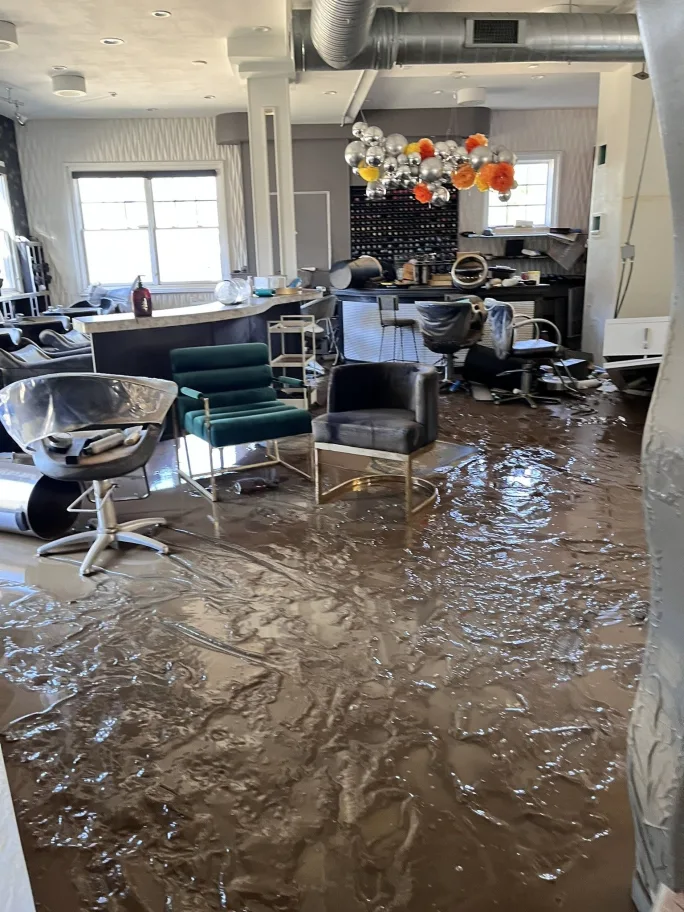
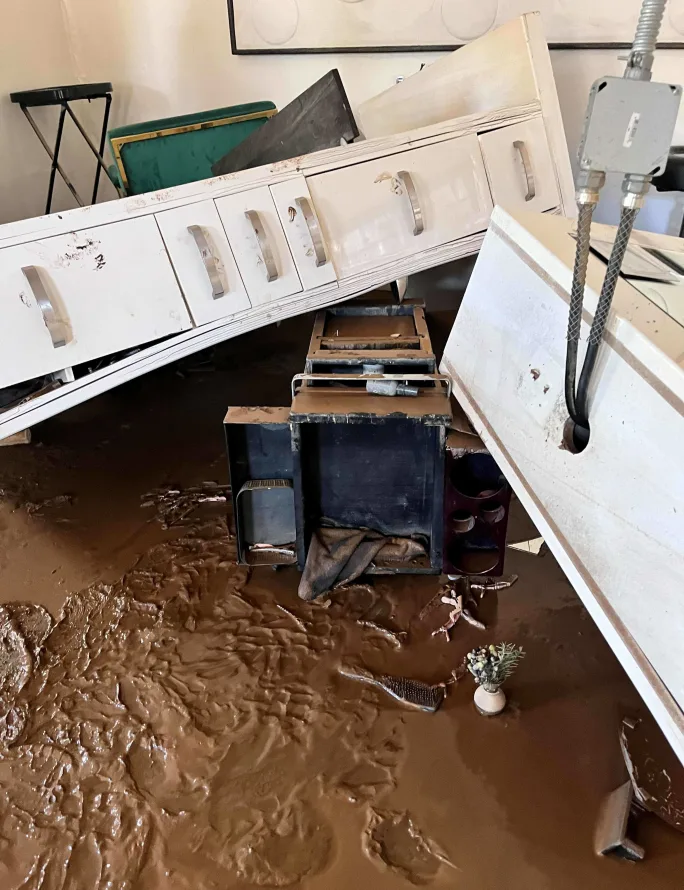
A brush lies in the mud in front of toppled and destroyed stations and cabinetry at Wink Salon.
Credit:
Wink Salon
"Our team was a huge part of what brought us back. The people who stayed lifted us up. Gilda and I have also become much clearer about our individual roles, and we are both experiencing more satisfaction in our work than we have in a long time.
"Returning to Biltmore Village feels like finishing this chapter the way we always wanted. It is still scary, and there are still plenty of stresses, but we have been made better by this. We are returning with hope, a strong team and a much more intentional vision for Wink. It feels purposeful. It feels joyful.
ST: What's one thing every salon owner could do today to prepare for a crisis they never see coming?
Ad Loading...
DiBenedetto: "Take the business part of your business seriously.
"Our industry is full of people who become owners because they love their craft, not because they love business. I understand that, but ownership requires leadership. You have to understand cash flow, build reserves, maintain strong relationships and become comfortable making hard decisions.
"People love to say, 'Pivot quickly,' but that is not always possible when you are traumatized and trying to understand what just happened. Cash gives you time to think. Leadership allows you to act when none of the available choices feel good.
"Salon owners need to spend at least as much time building their business acumen as they spend building their social media presence. This is not only about preparing for a natural disaster. Businesses face personal loss, economic downturns, staffing crises and unexpected disruptions all the time.
"We need to build businesses that can last beyond a difficult season and, ideally, beyond us. You rarely hear about retirement parties for hairdressers. Too many quietly leave the industry exhausted and frustrated. I would like to see more owners build businesses they can sustain, lead well, and eventually leave with a big retirement party!"
Quick Answers
In September 2024, Hurricane Helene completely destroyed Wink Salon's flagship location and severely affected their business, causing a loss of 70% of their operations.
CTheyo embarked on a two-year rebuilding journey to not only restore the salon's operations but transform it into a different, stronger business.
The rebuilding process took two years, during which the owners focused on reestablishing and strengthening the business.
Businesses can learn the importance of resilience, strategic rebuilding, and potentially transforming setbacks into opportunities for growth and innovation.
Post-rebuilding, Wink Salon's flagship location embodies a new business approach, reflecting substantial changes made during the recovery process to become stronger than before.
MeevoIQ brings a team of AI-powered Advisors to Meevo, giving salon, spa & med spa owners the growth tools, business intelligence, and front desk support they need with full visibility and control at every step.
Your body doesn't necessarily tell the difference between a promotion and a deadline. In her first wellness blog for SALON TODAY, Wellify Co-Founder Laura Fuqua explains why even good stress has an impact.
Popping up across the UK, Menopause Cafés are helping women seek professional help with their menopause journeys. What better place to play host to one of these gatherings than a spa?
From managing air traffic on busy days to handling frustrated guests' complaints, your front desk team often serves as the salon's emotional shock absorber. From a customer service lesson from the DMV to a list of strategies for caring for your front line, our experts offer ideas for alleviating stress, celebrating wins, and setting goals.
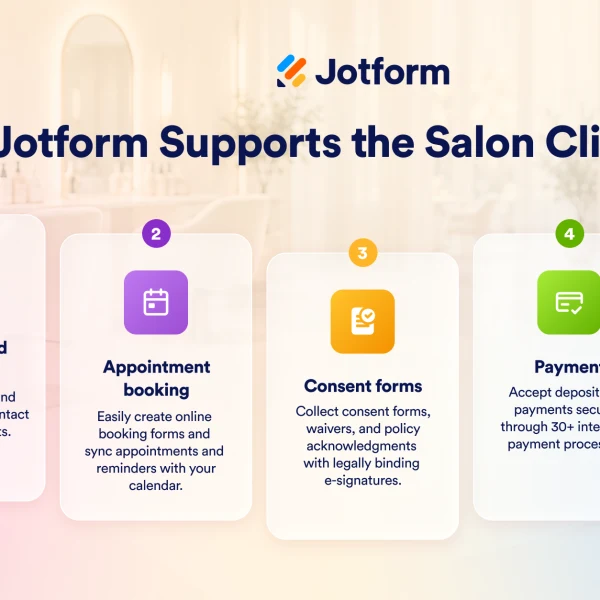
A great salon experience starts well before the appointment. See how beauty businesses are using digital forms, automation, and AI to simplify routine work and create a more seamless experience for every client.
Minneapolis Native Heidi Breivik-Wetzel receives an "Elegance" award from Fondation Guillaume as part of the Intercoiffure Mondial celebration in Paris.
AI is changing the game for salons and spas. Hear how four owners are using AI to recover revenue, automate bookings, boost team performance, and uncover new growth opportunities.
The International SPA Association recently announced that Jefferson Fisher, Jamie Kern Lima and Zack Kass are the keynote speakers for its 2027 Conference, scheduled for March 3-5 at Mandalay Bay in Las Vegas.
According to the KIM Report, top-line salon revenue appears steady or slightly up, but that growth is driven primarily by service price increases. Beneath the surface, retail performance and client visit frequency (appointment drift) are under real pressure. In his latest blog, Alain Audet offers strategies for keeping your salon's retail sales strong.
Putting your family to work in the salon offers some real tax benefits, but you have you have to play by the rules of the tax code to claim them. Azarvand Tax Law's Leticia Skrabut, Esq., shows you how.
Sofia Vergara, Lucy Hale, Alison Brie, John Salley, Brian Austin Green and more honored the best achievements in Science Behind Beauty, Health & Wellness at this glittering event.
Discover how to create a true “WOW experience” for every client by first building a culture where your team feels engaged, empowered, and inspired. Drawing on Calvin Stovall’s Iconic Framework, this blog explores how salon, spa, and clinic leaders can strengthen culture, elevate customer experience, and build a business that stands out for the long term.