





You Don't Own a Salon. You Own A Business.
In his latest blog, Leon Alexander Ph.D., challenges industry conventional thinking to help owners add more to their bottom lines.
 MENU
 SEARCH
Rosy Software's Jim Bower is back with a blog filled with different strategies for suggestive selling, which can boost the salon's bottom line.

Suggestive selling is a very powerful tool. Not only can it improve your salon or spa’s bottom line, but when done right, it can help your clients discover beneficial products and services and in turn, increase trust and customer satisfaction. It’s a win across the board!
There are different approaches that you can take in making sales suggestions, so here are some tips to maximize your results without falling into any of the pitfalls.
Engage in Conversation
First get to know your client before attempting to suggestive sell. It’s not feasible to suggest something until you clearly understand their needs. If you do so prematurely, they likely won’t trust you from that point on.
The best way to understand clients is to engage with them in conversation. Take the time to ask questions, and to be genuinely interested in what they have to say. When you gain insights into the client’s lifestyle and combine that knowledge with a thorough understanding of the products and services that are available, you can go further and suggest things they didn’t know that they were looking for. With suggestive selling, it comes down to customers appreciating the value in what is being offered and how the product or service can improve how they look, their sense of well-being, and even their lifestyle.
Know Your Salon or Spa’s Offerings
It’s important for your entire staff to possess a really good working knowledge of all products and services that are offered in your salon or spa. That way they can make suggestions quickly and effectively.
In the case of services, have your front desk and all non-service providers try as many of the services as possible or at least witness as much of the salon or spa’s offerings. After all, the best way to talk about a bodified blowout or a certain type of massage is to have actually experienced it first-hand.
In the case of your retail, knowing the inventory inside and out also helps you and your staff drive interest and sales. Also, having the necessary product and stock information prevents you from suggesting things you don’t have. Always keep your POS and salon inventory management system up to date and have the data handy, that way you and your staff always have access to the information that you need.
Another good way to ensure that all team members are familiar with your products is to set aside time to discuss all services, specifically with your front desk staff, and have regular classes for product knowledge. Most manufactures offer such classes, plus likely have detailed information on their websites.
Aside from product and inventory knowledge, see to it that your staff is also on top of the latest industry news and beauty trends. Customers expect staff and service providers to know what they’re talking about, so make sure they have that knowledge at hand.
Establish Trust
Establishing trust is critical to suggestive selling. Once a customer feels that they are being pushed into a sale, they will not trust that person’s advice and will be less likely to make the purchase. And offering them something they don’t really need will only help your sales temporarily but the long term loss of a loyal client (or their trust) can be devastating to your business.
To gain their trust, take a genuine interest in your customers. Know their names, their history with the salon or spa, and their favorite services and products they are likely to purchase. Get to know what they do for a living, their interests, hobbies, and any special occasions coming up. Once your staff starts building relationships with customers, and uses this information to offer targeted and informed suggestions, they’ll actually enjoy the sales process. It truly feels good to offer someone something that makes their day, makes them look good, or can make their lives easier.
The Right Timing
The perfect opportunity to use suggestive selling is once the client is getting ready for checkout. For example, if they have just invested in their hair color, it would be a good idea to recommend product that would help prolong their color. In this case, color care products become an up sell to the service itself, however the client will benefit from the use of the products, as they will help to protect what they just had done. Essentially you’ve just added value to their salon service and have helped protect their investment.
To help make the process easier, consider using salon and spa management software that offers intuitive suggestive selling features. At checkout, the system would automatically suggest appropriate products based on the services your clients have just done. It should also suggest product to complement their past or currently booked service when they book or confirm their appointment online. A really good system will even allow clients to reserve product for their next appointment, which can help you make decisions when ordering inventory but can also help increase your retail sales without really lifting a finger.
The Right Reasons
Suggestive selling should be about enlightening people on how they can improve their lives and showing them products they can actually use. Learning how to effectively suggestive sell can do wonders for your salon or spa’s bottom line, but you shouldn’t just do it for the sales. Use suggestive selling to genuinely add value for your clients. Do it because you want to help clients find products they want and need, and because you want to educate them on how they can get the most out of their salon and spa services.
Jim Bower is the founder of Floydware, LLC and Rosy Salon Software. He is a former salon and spa owner with more than 30 years of experience in the industry.
In his latest blog, Leon Alexander Ph.D., challenges industry conventional thinking to help owners add more to their bottom lines.
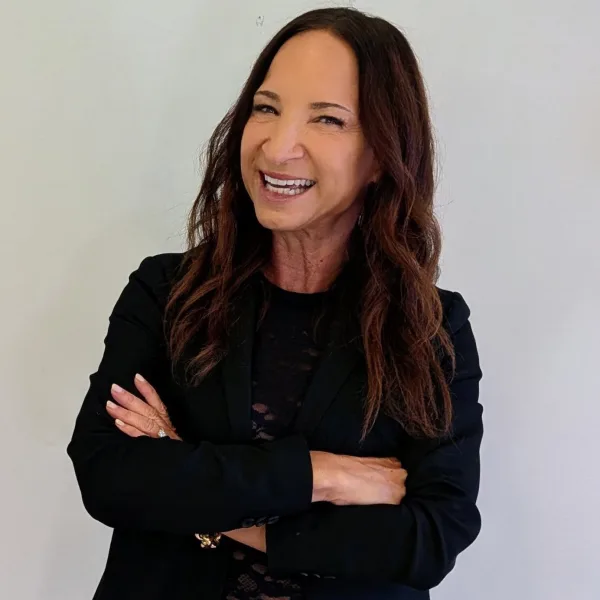
In her latest blog, Amy Pal helps you develop your own clear guidelines around complimentary free employee services.
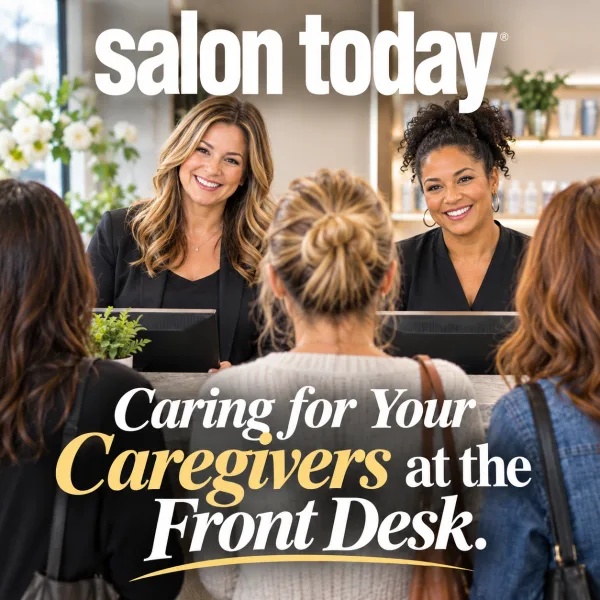
From managing air traffic on busy days to handling frustrated guests' complaints, your front desk team often serves as the salon's emotional shock absorber. From a customer service lesson from the DMV to a list of strategies for caring for your front line, our experts offer ideas for alleviating stress, celebrating wins, and setting goals.

According to the KIM Report, top-line salon revenue appears steady or slightly up, but that growth is driven primarily by service price increases. Beneath the surface, retail performance and client visit frequency (appointment drift) are under real pressure. In his latest blog, Alain Audet offers strategies for keeping your salon's retail sales strong.

Putting your family to work in the salon offers some real tax benefits, but you have you have to play by the rules of the tax code to claim them. Azarvand Tax Law's Leticia Skrabut, Esq., shows you how.

Discover how to create a true “WOW experience” for every client by first building a culture where your team feels engaged, empowered, and inspired. Drawing on Calvin Stovall’s Iconic Framework, this blog explores how salon, spa, and clinic leaders can strengthen culture, elevate customer experience, and build a business that stands out for the long term.
Sponsored by Phorest Salon Software

The wellness industry is growing fast, and salons and barbershops already are an important part of it. In her first blog, Tracy Rado shares where the wellness dollars are heading, and how salons can grow with this movement.

While salon sales are increasing, owners often feel they're working harder for the same or less profit. Leverage Q2 data from The KIM Report, Alain Audet reveals some of the structural changes that are dampening your growth and why your region and your salon size matters.

Weaknesses in your business are amplified during the Holiday Season. Spark Pro Global's Lucy Randall shows you five things to do now to have the strongest holiday season yet.

In Kati Whitledge's latest blog, she shares how salons have moved away from dress codes and embraced appearance standards. But by removing strict dress codes, some businesses may have unintentionally lowered their appearance standards. Whitledge helps you explain to your team why an appearance standard is important and how to smoothly implement a new appearance policy.

The Small Business Health Care Tax Credit is a non-refundable tax credit for for-profit businesses that provides a financial incentive for eligible employers who offer health insurance coverage to their employees. Leticia Skrabut, Esq., walks you through how to claim that credit.

Developing strong work habits early in one's career supports long-term success in the salon industry. Jesse Linares offers new stylists his top five tips.

Most salon owners have no idea what these numbers are. You can hit record sales and still have a profit problem. The difference comes down to four numbers almost nobody was taught to track.
Sponsored by Strata Salon Systems™

A five-area audit every owner-dependent salon needs to run. You built something that looks successful. Now find out if it can survive without you.
Sponsored by Strata Salon Systems™

Every month you put off fixing the problem, it gets bigger, more expensive, and harder to solve.
Sponsored by Strata Salon Systems™
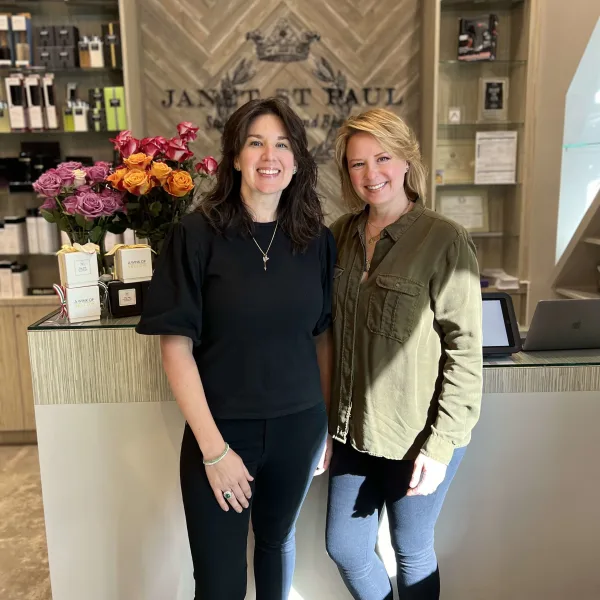
At Janet St. Paul Studio for Hair and Beauty, Director of Operations Natasha McMillen helps bring her wife Janet St. Paul's vision to life, elevating every system from education to operations.

Expand your color service menu with the Pinstripe technique. Brooks and Brooks' Marlon Hawkins walks you through the technique.