Skincare retail sales can really boost your bottom line, but it’s area where many salons struggle—even those who excel at retail on the salon side. For this Owner’s Forum, I was prompted by a question I received by Don Weisse, who works in national salon development for Aveda. I decided to dig a little deeper into how consumers buy skincare products and exactly what can trigger a purchase. --Karie
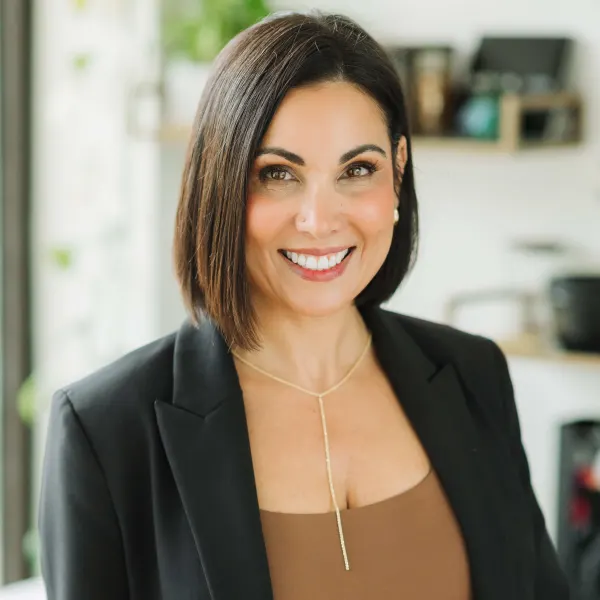
Karie Bennett, stylist, writer and owner of Atelier SalonSpa and Atelier Studio in San Jose, California
3 min to read
Skincare retail sales can really boost your bottom line, but it's area where many salons struggle—even those who excel at retail on the salon side. For this Owner's Forum, I was prompted by a question I received by Don Weisse, who works in national salon development for Aveda. I decided to dig a little deeper into how consumers buy skincare products and exactly what can trigger a purchase:
Dear Karie,
Ad Loading...
Why don't salons sell more skincare products? Are salon guests buying skincare retail at the salon? Why don't salons take advantage of the selling opportunity with their guests to sell more skincare? Do you really need a spa or esthetician to sell skincare?
—Don Weisse
Excellent questions, Don. I did a little research on where customers buy skincare products and found some answers. The primary purchase points seem to be department or drug stores, the dermatologist, or from an esthetician at a salon or spa.
What sells skincare is finding a need and filling it, belief in a product, and having a compelling testimonial:
Be a role model.
Ad Loading...
Salons should be sure their employees have the opportunity to purchase the product at a significant discount so they are using it and can talk about it from their own experience. Would you buy skin care from someone with broken-out skin? Or have a hair service from someone with over-processed, dull hair? You'll need to be an ambassador, a role model for the product you're recommending.
Demonstrate benefits, then sample.
Create a way to demonstrate the product's benefit, like a hand facial, and consider a special offer on the travel-sizes of your skincare, so once the customer has purchased the full sizes, the product can easily be traveled with, encouraging longer-term use.
Make the recommendation.
Home care and maintenance are important to every industry. How will your luxury car run if you fill it with unleaded instead of premium gasoline? Having a dental cleaning every 6 months is great, but what if you didn't brush your teeth daily between dentist visits? If your doctor told you to take a medication to keep your cholesterol down, would you even dream of ignoring his advice? Why then, would we go to the esthetician, tell her that we don't like the clogged pores or fine lines we have, have an effective service, and then ignore her advice to use an exfoliating cleanser or a night cream that targets fine lines and wrinkles once we go home? If we don't get the recommendation, we wouldn't know what to use at home.
Ad Loading...
Believe in the products.
And what would compel a customer to heed our recommendations? Confidence and a strong belief in the product is key. Salesmanship is important as far as knowing how to talk about the product, but salesmanship without belief doesn't make the impact.
If we don't do our jobs as beauty professionals and recommend home care, the beautiful glowing skin and vibrant, shiny hair that we just created will fade, and the compliments and recommendations from the customer's friends will fade with it.
So the recommendation is also important to keep your client base strong and growing. Now it's not just about the customer's success, it's about our success too!
Recommending home care isn't a separate event. It's a part of the service we offer. And ending the service without it is like shortchanging the customer. She paid for a professional service, which includes how to take care of the hair or skin at home. Isn't it the least we can do to give her our recommendation?
Discover how to create a true “WOW experience” for every client by first building a culture where your team feels engaged, empowered, and inspired. Drawing on Calvin Stovall’s Iconic Framework, this blog explores how salon, spa, and clinic leaders can strengthen culture, elevate customer experience, and build a business that stands out for the long term.
The wellness industry is growing fast, and salons and barbershops already are an important part of it. In her first blog, Tracy Rado shares where the wellness dollars are heading, and how salon's can grow with this movement.
While salon sales are increasing, owners often feel they're working harder for the same or less profit. Leverage Q2 data from The KIM Report, Alain Audet reveals some of the structural changes that are dampening your growth and why your region and your salon size matters.
Weaknesses in your business are amplified during the Holiday Season. Spark Pro Global's Lucy Randall shows you five things to do now to have the strongest holiday season yet.
In Kati Whitledge's latest blog, she shares how salons have moved away from dress codes and embraced appearance standards. But by removing strict dress codes, some businesses may have unintentionally lowered their appearance standards. Whitledge helps you explain to your team why an appearance standard is important and how to smoothly implement a new appearance policy.
The Small Business Health Care Tax Credit is a non-refundable tax credit for for-profit businesses that provides a financial incentive for eligible employers who offer health insurance coverage to their employees. Leticia Skrabut, Esq., walks you through how to claim that credit.
Developing strong work habits early in one's career supports long-term success in the salon industry. Jesse Linares offers new stylists his top five tips.
Most salon owners have no idea what these numbers are.
You can hit record sales and still have a profit problem. The difference comes down to four numbers almost nobody was taught to track.
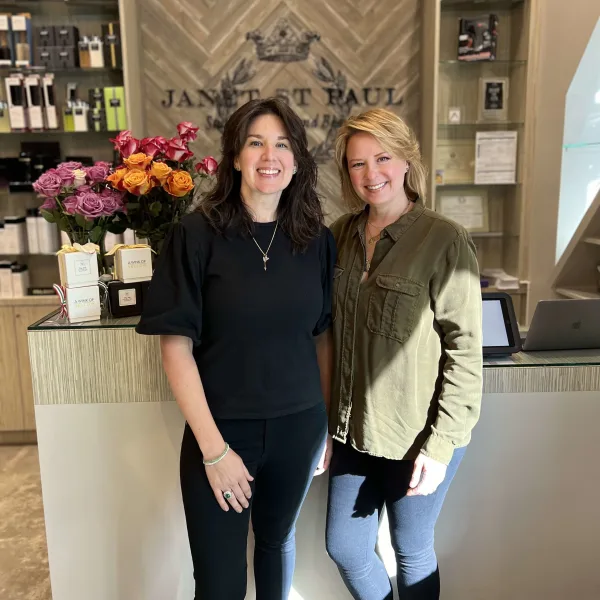
At Janet St. Paul Studio for Hair and Beauty, Director of Operations Natasha McMillen helps bring her wife Janet St. Paul's vision to life, elevating every system from education to operations.
The strongest salons, spas, and med spas know which numbers tell the real story of their business. In this practical guide, Phorest breaks down the five essential KPIs every business should track to improve retention, boost revenue, and make smarter decisions with confidence.
At Bella Style Salon in Slidell, Louisiana, Director of Operations Angela Meyer tackles inventory, team management, and guest relations. Read all about her in our latest Meet the Manager.
Starting at Impressions front desk in 2006 when he was 19 years old, General Manager Paul Petrowsky is a seasoned professional who owner Sarah Taylor says is responsible for much of her own success.
Planning is in full swing for the most anticipated events and promotions for the 2026 holidays. As owners share their favorite ways to celebrate, they prove that a carefully planned event can also build culture, increase client loyalty, boost sales, and set a business up for a successful 2027.
When things run amok at Mane Attraction Salon, Owners Chris and Jenny Knudsen say General Manager Sami Hernandez is their go-to resource and ultimate sounding board. Meet Sami in this installment of Meet the Manager.