Without BOA, Rash says she never would have
thought to launch a training salon concept, which has emerged as both a
financial and branding bonus. "This has enabled me to capture a piece
of the market that I would not have touched," she says.
Chreky's
reliance on BOA paid off when she asked the board to review a marketing
plan she and her team were ready to implement. "If they hadn't done an
analysis of the campaign, we would have gone ahead with unwise wording,
and it would have been terrible!" she says. "A board like this
provides checks and balances to your business so you know where you're
heading. Sharing how we apply integrity to our businesses has been
inspirational to all of us."
Zona credits his boards with
elevating him to a heightened understanding of sophisticated financial
matters. To present to his out-of-industry board, he produces his own
annual report.
"A lot of people would say that they can't be
bothered creating an annual report," Zona notes. "But people say they
can't be bothered going to the gym, either. For me, producing this
report is very useful. I don't make it fancy or hire a graphic artist
to do the cover, but it's helpful to go through the process each year."
As
a side benefit, board members sharpen their presentation techniques,
improve their listening skills and enhance their leadership potential.
"I treat the groups as though they're my boss," says Zona. "It forces
me to prepare and do presentations, which makes me a better
decision-maker." But it's the inherent accountability that's
irreplaceable. "When we outline what we intend to accomplish for the
coming quarter, at the following meeting the board will refer to those
stated goals," says Charles. "If we say we'll do something, they'll
hold us to it."
Zona agrees. "Business owners tend to ask
pointed questions," he says. "When you own a business, you don't
necessarily answer to anybody, and because of that we can trick
ourselves. The other business owners call you on your own claims."
Adds
Rash, "Meeting over coffee is one thing. But these are skills that even
help you run your own staff meetings, because you've now experienced a
meeting on a level at which you're not the team leader."
Board
camaraderie alleviates that lonely-at-the-top feeling, agrees Zona.
"Other business owners live the emotional life and experience the same
risk tolerance that I do," he notes. "The board establishes a
like-mindedness and a joint commitment in helping each other along
that's naturally effective."
The Onboard Board At The
Face and The Body Spa in St. Louis, owner Peggy Mitchusson was meeting
two to three times a year with an advisory board primarily consisting
of clients with business backgrounds. Then about six years ago, she
looked around at the presenters at those meetings and saw a management
team that could take over the board role. Mitchusson made a strategic
decision to replace her advisory board with her own executive team.
"Outside
people could be objective, and everything they said was pertinent,"
Mitchusson says. "But we spent so much time explaining things, catching
them up. Having an inside group means that the board members are all
industry experts and know exactly what's going on at the salon."
With
11 members, Mitchusson's inside board is three to five participants
larger than her previous board. Currently sitting on her board are the
salon's:
Ad Loading...
Owner (Mitchusson)
Chief financial officer (CFO)
Marketing director
Three location general managers
Three location customer service managers
Purchasing director
Director of development/corporate sales
Whereas
Mitchusson paid her outside board $500 per meeting (or $750 if they
preferred to take their payment in spa gift certificates), attendance
at monthly board meetings are included in her management team's job
descriptions. But the bigger benefit is that this arrangement has
enabled Mitchusson to move toward an Employee Stock Ownership Plan and
continue to help her business grow rather than sell her business in
order to retire.
"We've had a lot of growth," Mitchusson adds.
"Six years ago I didn't have as much formal structure, and I didn't
staff all of these positions. But we couldn't realize, until we started
meeting as a formal board that, for us, this is such a better way to do
it."
Discover how to create a true “WOW experience” for every client by first building a culture where your team feels engaged, empowered, and inspired. Drawing on Calvin Stovall’s Iconic Framework, this blog explores how salon, spa, and clinic leaders can strengthen culture, elevate customer experience, and build a business that stands out for the long term.
The wellness industry is growing fast, and salons and barbershops already are an important part of it. In her first blog, Tracy Rado shares where the wellness dollars are heading, and how salon's can grow with this movement.
While salon sales are increasing, owners often feel they're working harder for the same or less profit. Leverage Q2 data from The KIM Report, Alain Audet reveals some of the structural changes that are dampening your growth and why your region and your salon size matters.
Weaknesses in your business are amplified during the Holiday Season. Spark Pro Global's Lucy Randall shows you five things to do now to have the strongest holiday season yet.
In Kati Whitledge's latest blog, she shares how salons have moved away from dress codes and embraced appearance standards. But by removing strict dress codes, some businesses may have unintentionally lowered their appearance standards. Whitledge helps you explain to your team why an appearance standard is important and how to smoothly implement a new appearance policy.
The Small Business Health Care Tax Credit is a non-refundable tax credit for for-profit businesses that provides a financial incentive for eligible employers who offer health insurance coverage to their employees. Leticia Skrabut, Esq., walks you through how to claim that credit.
Developing strong work habits early in one's career supports long-term success in the salon industry. Jesse Linares offers new stylists his top five tips.
Most salon owners have no idea what these numbers are.
You can hit record sales and still have a profit problem. The difference comes down to four numbers almost nobody was taught to track.
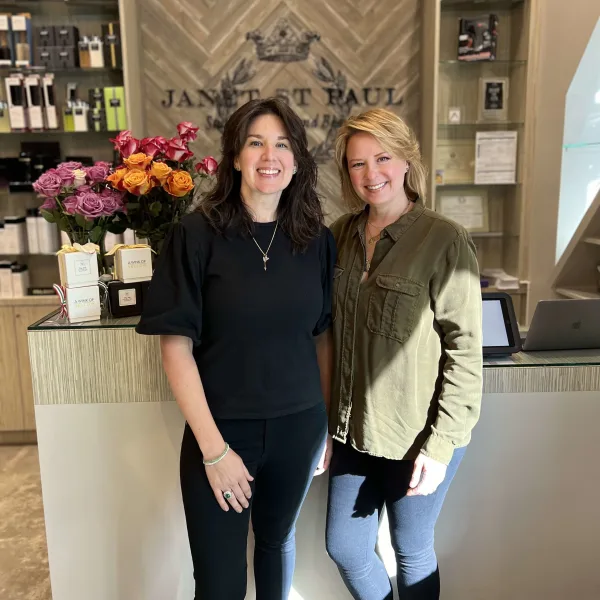
At Janet St. Paul Studio for Hair and Beauty, Director of Operations Natasha McMillen helps bring her wife Janet St. Paul's vision to life, elevating every system from education to operations.
The strongest salons, spas, and med spas know which numbers tell the real story of their business. In this practical guide, Phorest breaks down the five essential KPIs every business should track to improve retention, boost revenue, and make smarter decisions with confidence.
At Bella Style Salon in Slidell, Louisiana, Director of Operations Angela Meyer tackles inventory, team management, and guest relations. Read all about her in our latest Meet the Manager.
Starting at Impressions front desk in 2006 when he was 19 years old, General Manager Paul Petrowsky is a seasoned professional who owner Sarah Taylor says is responsible for much of her own success.
Planning is in full swing for the most anticipated events and promotions for the 2026 holidays. As owners share their favorite ways to celebrate, they prove that a carefully planned event can also build culture, increase client loyalty, boost sales, and set a business up for a successful 2027.
When things run amok at Mane Attraction Salon, Owners Chris and Jenny Knudsen say General Manager Sami Hernandez is their go-to resource and ultimate sounding board. Meet Sami in this installment of Meet the Manager.