Should You Have a Board of Directors? (Part 1)
Should You Have a Board of Directors? (Part 2)
Should You Have a Board of Directors? (Part 3)
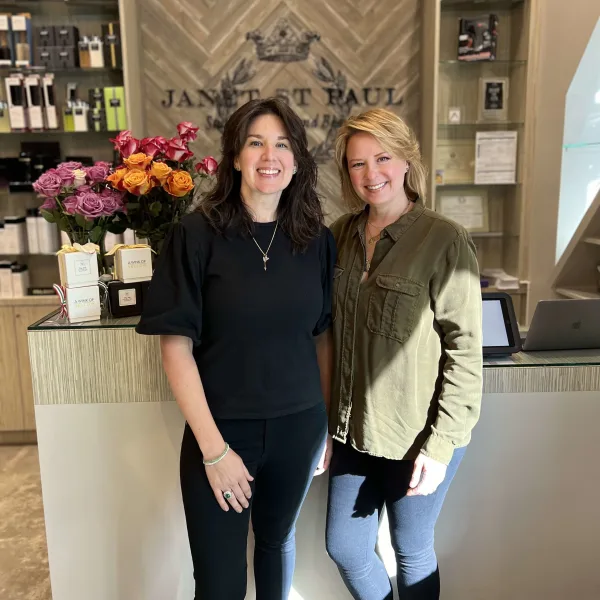
East coast spa owner Sasha Rash was dining with a neighbor who happened to also own a salon. The pair met for dinner from time to time not only as friends but to compare industry notes and chat about their salon operations. They began to notice that the valuable perspective each offered the other benefited both businesses significantly.
"Wouldn't it be nice," they thought, "if this other salon owner we know could join our conversation? And how about that one, too?" And thus was born the New York Best Practices Board of Advisors (BOA).
Accountability is built into the structure of public companies; with stockholders and boards of directors, there's no shortage of both non-binding advice and legal requirements. Privately owned companies lack this type of oversight.
The single owner or partnership duo operating a salon or spa often has little more than a stack of business books for guidance. Throw in periodic calls to lawyers and financial consultants, and in the past that may have been guidance enough. But owners like Rash, running sophisticated businesses amid complex market conditions, are looking to do more than fly by the seat of their pants. If a formal board of directors can effectively steer publicly traded companies, they feel, perhaps a similarly formal advisory board can help privately held salons navigate the seas of profitability.
Players of the Game
The strength of an industry-specific advisory board lies in comparing apples to apples-after all, a salon is not a bookshop, dental practice or law office-and membership parameters can be drawn tighter yet. Feeling that even comparing Garnny Smiths to Red Delicious would be too scattered, BOA members confine their board to urban, moderately large salon businesses.
"Someone with a four-chair salon in a rural location probably would not benefit much from our discussion," says Rash, who owns La Jolie in Princeton, New Jersey, and is a past president of Professional Beauty Association (PBA) salon section. "Our group is employment-based; we're not interested in talking about booth rental. There are great associations out there that represent everyone. We're not trying to do that." Participants should also be compatible in their ethical views, she adds.
Yet, if the member businesses are too similar in brand and market, they're likely to be competitors, which compromises the candor. And if individuals mirror each other in management style, "groupthink" can set in at the cost of a diversity of opinion. BOA jumbles up the demographics of its six members by including four salons in different sections of the greater New York metropolitan area and one salon in each Boston and Washington, D.C.; both sexes; a range of ages; and varied professional backgrounds.
"You learn a lot when you get outside of your own little box but stay within the box of your industry," comments BOA member Frank Zona, owner of Zona Salons in Norwell, Massachusetts. "We're geographically separated, and there are differences in our size, product lines and corporate structure, but in effect we're all in the same business."
BOA's nearly full-day bimonthly business meetings, typically kicked off with a casual dinner the night before, proceed like any board of directors meeting, starting with old business and proceeding to new business, when members present their current challenges and receive feedback from others. This structure tends to limit the size of the board.
"You can run out of time if your board gets too big," says member Serena Chreky, who co-owns the D.C.-area Andre Chreky The Salon Spa. Zona puts the maximum manageable number of members at eight.
Sometimes the group works around a theme. For example, after having read the business book Setting the Table, by Danny Meyer, the board members visited Meyer's restaurant to witness the book's principles in action. At their meeting to close out stormy 2008, they each outlined their expectations for the business climate in 2009.
Rolling the Dice
BOA participants stress that their organization is neither a networking group nor gabfest. "This is official business," notes Rash. "This board is very different from a women's group I belong to, where we're such good girlfriends that we can't stop talking about our own lives."
Giving the group a name helped to emphasize its professional nature and enabled the members to draw up a legally binding confidentiality agreement. "The confidentiality document added a seriousness to this and, thereby, a freedom to really let down our hair," Rash adds. "That was key; it glued that trust for us."
Legal documents, travel and a full day away from the salon come with a price tag that Zona estimates may run as high as $10,000 a year. "But the return on investment is high," he qualifies. "For each expense, I determine: Is it a good use of my time and money? This definitely is."