Salon Today
MenuMENU
SearchSEARCH

Salon Service Risks: Common Salon Insurance Claims

Understanding the risks associated with the services your business supplies and getting proper coverage can save you from experiencing significant losses down the road.

by Kathy Lopez, SASSI, the Salon and Spa Specialty Insurance
June 10, 2021
Salon Service Risks: Common Salon Insurance Claims


3 min to read


This article originally appeared on sassiagency.com, the website for Sassi Salon & Spa Specialty Insurance.

Many salon insurance claims stem from slips and falls, as they do for many businesses. However, injuries and errors related to salon services and treatments can also result in lawsuits — which may also damage your reputation — and incur costly insurance claims.

Ad Loading...

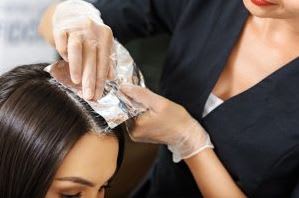
Hair color services are a source of salon insurance claims, as some of the components in dyes and similar products can react poorly with some clients’ skin. The client may simply be disturbed by burning sensations across their scalp. In other cases, they may have extreme itching and irritation issues, or even experience hair loss. It may not happen often, but even a haircut could result in a costly claim. If an employee cuts a client while styling their hair, the client could bring legal action against the salon.

These incidents would be uncomfortable for the customer and expensive for the salon and stylist if they are not sufficiently insured for this risk. If the stylist was not properly trained or was not aware of the potential side effects of the products they were using, the salon or the stylist may be deemed negligent in litigation.

While some accidents are unavoidable, ensuring stylists and other staff members have appropriate training could reduce the frequency of accidents or at least help make their consequences less severe. Of course, haircuts are a frequent source of business for salons, and while these accidents may not always be a top-of-mind concern, it’s best for salon managers to ensure stylists are prepared and trained in case something goes wrong.

There are a few basic practices salons can adopt to help mitigate these risks. As a baseline risk management practice, we recommend ensuring anyone providing direct services to clients is properly licensed. It can also be helpful to pay attention to the training stylists and other staff have received. For example, salon sanitation trainings have become common during the COVID-19 pandemic. You may want to consider offering safety training sessions to ensure that stylists are always aware of their exposures. Furthermore, when working with chemicals, stylists should be sure to know and understand the products they are working with, so they can avoid causing adverse reactions in customers.

While these risks may seem fairly straightforward, if salon managers do not properly prepare for them, they could face significant losses. Taking simple steps, such as confirming employees are trained and aware of the products they are using, can go a long way towards keeping salons as risk free as possible.

Ad Loading...

To find out more about your coverage options and to request a quote, visit sassiagency.com/quote.

About the Author: Kathy Lopez, Account Manager for SASSI, the Salon and Spa Specialty Insurance program at Brownyard Group. She can be reached at klopez@brownyard.com.

Subscribe to Our Newsletter

More Salon Management

Nicki Wenz (above) and Allison Stock of Zandi K Salon

The Heartbeat of Zandi K's Success

After moving to Colorado and teaching at a cosmetology school, Allison Stock joined Zandi K as a stylist, eventually becoming part of the Leadership Team, Education Team and Master Bridal Team. Today, as Director of Operation, Stock is Owner Nicki Wenz's right hand, managing human resources and operations, education and career development, and coaching and culture.

Ad Loading...
Solar panels on a commercial building.

Shedding Light on Solar Tax Credits for Your Beauty Business

Buried inside the One Big Beautiful Bill Act are federal solar tax credit changes that deserve your attention now. Two of the credits that matter most to commercial property owners, the Investment Tax Credit and the Production Tax Credit, are still available, but only if you move fast. A third, the Commercial Building Energy Efficiency Deduction, has a hard termination date that is closer than most people realize.

The Salon Ghost Report: Stop Wasting Hours Chasing Unqualified Applicants

Up to 40% of hair stylists ghost the salon interview stage, leaving owners trapped playing endless phone tag with uncommitted applicants. This data-driven report breaks down why traditional job boards create recruitment friction and reveals the modern messaging strategies high-growth salons use to get pre-qualified talent to actually show up. Learn how to transition from cold calling to high-conversion conversations that protect your time and fill your chairs.

Sponsored by Beautista

2026 Beauty & Wellness Summer Marketing Calendar

Keeping your appointment book full when clients are in vacation mode takes more than a good Instagram post. It takes a plan. The 2026 Summer Marketing Calendar from Meevo gives salon, spa & med spa owners a month-by-month roadmap with sharp themes, key opportunity dates, and campaign ideas specifically designed for the beauty & wellness industry. Here’s to your summer season working as hard as you do!

Sponsored by Millennium Systems International

Ad Loading...

The Voice of Calm

Elyse Rogers is an uplifting presence at The Headroom who makes the team feel heard even in stressful situations. Owner Danielle Cherewyk sings her praises in this installment of Meet the Manager.

The State of Beauty and Wellness in 2026

Same-store revenue grew just 2% for the second straight year—and new guest visits declined across every segment of the industry. The 2026 Benchmark Report reveals where growth is actually happening, which verticals are pulling ahead, and what the data says about where your business stands right now.

Sponsored by Zenoti

Ad Loading...