






You Don't Own a Salon. You Own A Business.
In his latest blog, Leon Alexander Ph.D., challenges industry conventional thinking to help owners add more to their bottom lines.
 MENU
 SEARCH
In this informative blog, SASSI's Kathy Lopez walks you through a risk management plan for reopening and operating your salon during the ongoing pandemic, including safety and sanitation practices, insurance needs, and hold harmless waivers.

Kathy Lopez, account manager for SASSI, the Salon and Spa Specialty Agency, which has served salons with specialized liability coverage for more than 70 years.
When the COVID-19 pandemic first began spreading across the U.S., many people worried that salons would struggle to survive. Though this time has no doubt been a challenge, salons across the country have reopened, are reopening or are considering it. Even where salons are not reopening, stylists and barbers are contriving inventive solutions, offering Instagram tutorials or cutting hair on sidewalks and in driveways to help maintain safety and social distancing.
As salons and barbershops continue to work through recent COVID-19 spikes, insurance isn’t the only risk management practice salons need. As we well know now, it is important to have a plan for reopening and operating during these unique and confusing times. There are a number of safety and sanitation steps salon owners should consider implementing when reopening and operating during the pandemic. From a risk management perspective, these include:
Maintaining and enforcing physical distancing.
We are all sick of hearing about “social distancing” or physical distancing, but this is crucial to keeping clients and staff healthy. A social distancing policy minimizes the opportunity for the virus to spread, which is why the CDC currently recommends a minimum of six feet between people. So far, successful salons have enforced the six feet requirement by admitting clients one at a time or having clients sit in every other chair. Plus, stylists are using protection such as plexiglass shields when they need to get closer. Many salons are eliminating waiting rooms, taking clients by appointment only and capping the number of customers per day. Plus, it is important to provide staff members with masks and gloves. Offer these to customers who do not bring their own, in addition to offering them hand sanitizer at the door.
Cleaning and sanitizing.
Even before COVID, I often discussed the importance of cleaning and sanitation in salons and spas. But now more than ever, regular cleaning and sanitizing of the salon will help clients and employees feel safe. Take the time to make cleaning schedules and disinfect all surfaces, appliances and tools, and document what is cleaned and sanitized and when.
Stepping up cleaning and sanitation may mean floors and surfaces are wet more often. Slips and falls are one of the most common sources of insurance claims at salons and spas, so be sure to place “wet floor” signs or take other steps to help stylists and guests avoid a slippery hazard.
It’s also important to make your efforts known. Advertise what you’re doing to keep a clean work environment on your front window and let people know when they book appointments how you plan on sanitizing hair washing stations, chairs and more. By going above and beyond, you can present your salon in a different, more comfortable light for both employees and customers.
Securing insurance coverage.
As an insurance professional, I have seen salons and stylists cancel and restart policies over the past few months. After a long closure, restarting your professional liability insurance coverage is critical. Make sure to submit an application again, just like applying for new coverage. Some insurers allow salons to begin coverage the same day they apply, which can be helpful as states constantly adjust reopening and shutdown procedures and orders. When reapplying for liability insurance coverage, take into account how your anticipated income for the year may have changed and include that on your application. It may help reduce your insurance premium — talk to your insurer or broker with any questions.
Consider hold harmless waivers
We have received many questions from many salon and spa professionals curious about the usefulness of hold harmless waivers, and for good reason — COVID has made these forms a hot topic. Asking customers to sign waivers can help confirm they are aware of the risks of receiving salon services and potential harm they may incur by coming to the salon for an appointment. Salons cannot eliminate the risk of COVID-19, so ensuring clients understand their risks has the potential to limit salon owners’ liability if someone claims they contracted the coronavirus during a haircut.
However, this is not a perfect solution. It is also not an insurance issue as much as it is a legal issue, so I recommend salon owners contact a trusted attorney hold harmless agreements if they have questions. Plus, attorneys can supply an accurately worded hold harmless agreement, which will be more effective than a boilerplate template downloaded from the web.
Follow state guidelines
This is the most critical step to take in managing your COVID-19 risks. State guidelines for reopening are easily available online. When reopening or maintaining limited operations throughout the pandemic, you should take the time to review and address their recommendations and requirements. For salons, guidelines to look for are: whether or not masks are mandatory, if appointment-only systems are required, and what amenities, such as coffee stations, are not allowed.
Not only do you risk the health and safety of those in your salon by not following guidelines, but in some places, you may risk being shut down by local authorities, or even losing your license. Furthermore, some counties are currently encouraging people to report businesses that are flaunting public health guidelines. Even if a customer merely leaves a tattling Yelp review or posts a negative social media update, they can damage your reputation.
Salons are continuing to reopen and return to business, despite the challenges the industry suffered over the last few months. While the industry may be trending positively now, to keep this trend going, salon owners need to ensure their operations are practicing proper risk management. Social distancing, sanitizing, securing insurance and waivers and following state guidelines will keep your staff and customers healthy while ensuring your business stays protected from potential liabilities.
Kathy Lopez is account manager for SASSI, the Salon and Spa Specialty Agency. A division of W.H. Brownyard Corp.®, SASSI has served salons with specialized liability coverage for more than 70 years. You can reach Kathy at klopez@brownyard.com or 631-666-5050.
In his latest blog, Leon Alexander Ph.D., challenges industry conventional thinking to help owners add more to their bottom lines.
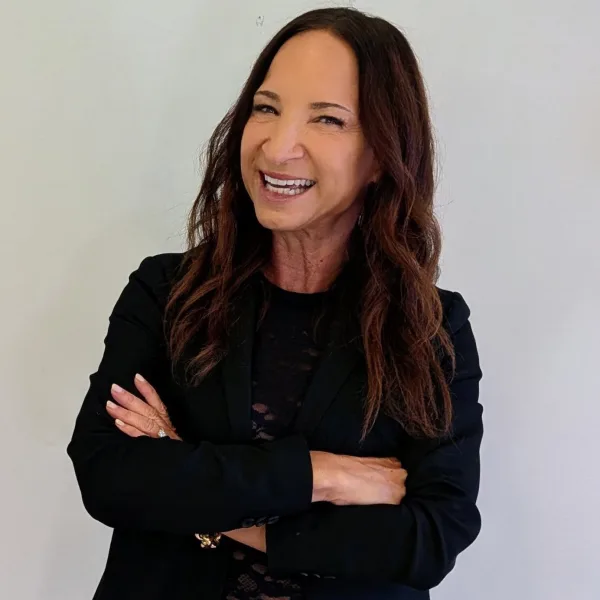
In her latest blog, Amy Pal helps you develop your own clear guidelines around complimentary free employee services.
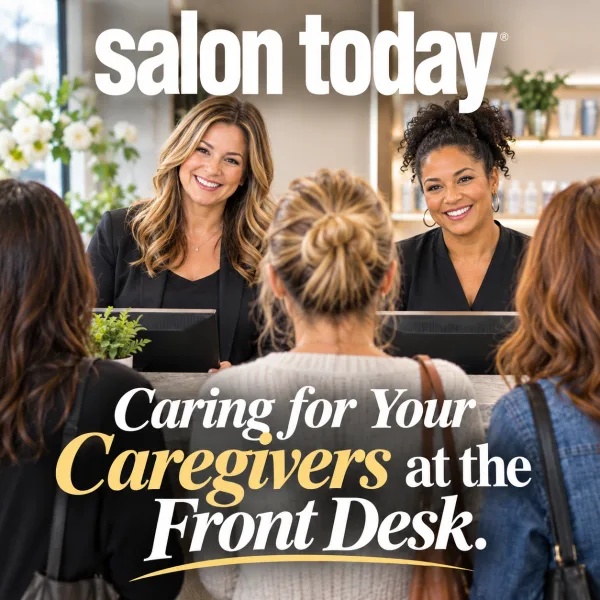
From managing air traffic on busy days to handling frustrated guests' complaints, your front desk team often serves as the salon's emotional shock absorber. From a customer service lesson from the DMV to a list of strategies for caring for your front line, our experts offer ideas for alleviating stress, celebrating wins, and setting goals.

According to the KIM Report, top-line salon revenue appears steady or slightly up, but that growth is driven primarily by service price increases. Beneath the surface, retail performance and client visit frequency (appointment drift) are under real pressure. In his latest blog, Alain Audet offers strategies for keeping your salon's retail sales strong.

Putting your family to work in the salon offers some real tax benefits, but you have you have to play by the rules of the tax code to claim them. Azarvand Tax Law's Leticia Skrabut, Esq., shows you how.

Discover how to create a true “WOW experience” for every client by first building a culture where your team feels engaged, empowered, and inspired. Drawing on Calvin Stovall’s Iconic Framework, this blog explores how salon, spa, and clinic leaders can strengthen culture, elevate customer experience, and build a business that stands out for the long term.
Sponsored by Phorest Salon Software

The wellness industry is growing fast, and salons and barbershops already are an important part of it. In her first blog, Tracy Rado shares where the wellness dollars are heading, and how salons can grow with this movement.

While salon sales are increasing, owners often feel they're working harder for the same or less profit. Leverage Q2 data from The KIM Report, Alain Audet reveals some of the structural changes that are dampening your growth and why your region and your salon size matters.
Weaknesses in your business are amplified during the Holiday Season. Spark Pro Global's Lucy Randall shows you five things to do now to have the strongest holiday season yet.

In Kati Whitledge's latest blog, she shares how salons have moved away from dress codes and embraced appearance standards. But by removing strict dress codes, some businesses may have unintentionally lowered their appearance standards. Whitledge helps you explain to your team why an appearance standard is important and how to smoothly implement a new appearance policy.

The Small Business Health Care Tax Credit is a non-refundable tax credit for for-profit businesses that provides a financial incentive for eligible employers who offer health insurance coverage to their employees. Leticia Skrabut, Esq., walks you through how to claim that credit.

Developing strong work habits early in one's career supports long-term success in the salon industry. Jesse Linares offers new stylists his top five tips.

Most salon owners have no idea what these numbers are. You can hit record sales and still have a profit problem. The difference comes down to four numbers almost nobody was taught to track.
Sponsored by Strata Salon Systems™

A five-area audit every owner-dependent salon needs to run. You built something that looks successful. Now find out if it can survive without you.
Sponsored by Strata Salon Systems™

Every month you put off fixing the problem, it gets bigger, more expensive, and harder to solve.
Sponsored by Strata Salon Systems™
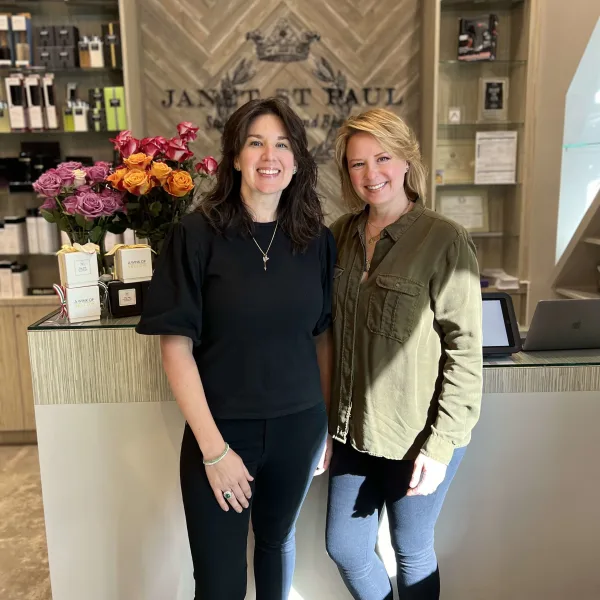
At Janet St. Paul Studio for Hair and Beauty, Director of Operations Natasha McMillen helps bring her wife Janet St. Paul's vision to life, elevating every system from education to operations.

Expand your color service menu with the Pinstripe technique. Brooks and Brooks' Marlon Hawkins walks you through the technique.