The Constant
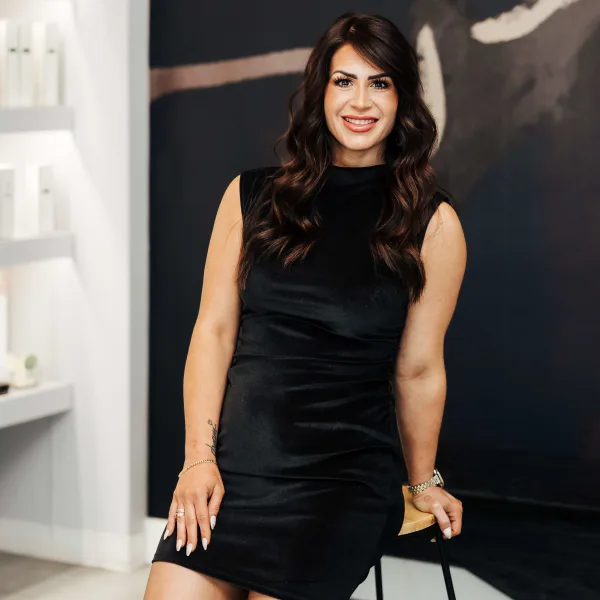
Starting at Impressions front desk in 2006 when he was 19 years old, General Manager Paul Petrowsky is a seasoned professional who owner Sarah Taylor says is responsible for much of her own success.
Buying an existing salon is a quick way to jump into the beauty business, but it can also bring some headaches. Bruce Hakutizwi from us.businessesforsale.com offers you some important points to ponder when considering buying an existing salon.

Buying a salon can be a fun and exciting business venture, as well as a lucrative one. The salon industry is incredibly valuable, and it’s growing. 2016 saw the salon industry pulling in a cool $62 billion dollars. Perhaps this is because the number of hair salons in the U.S. actually decreased, and people still need haircuts, and are rarely skilled enough to perform the service themselves at home. It’s unlikely that this industry will decline anytime soon, which makes it a safe bet for potential business owners. If this is your dream, and you want to begin realizing it, there are a few things to consider first.
Will you buy a franchise or independently-owned salon?
This is perhaps the first question that will need to be answered. A franchise can offer a great deal of support when it comes to marketing, training, day-to-day operations, and startup costs. For many business owners, buying a franchise is the right decision. However, if you’re someone that likes a little more creative freedom (perhaps even more so if you’re a hair stylist yourself), then a franchise may not be the right fit for you. Many people daydream about running a business before they even begin, and usually those dreams don’t include an exact shade of eggshell white for the walls dictated by company standards. Having the freedom to create a new and different business model for a salon could be incredibly lucrative, if you capture the right market.
Why is it being sold?
Businesses can fail for a variety of reasons. If the location of the salon is good, but the salon isn’t turning a profit, it could be because of poor customer service or bad management. It might also need some updating and general TLC. Before getting too serious about a buying a salon, try to understand why it’s on the market in the first place. Having a solid base of returning customers is key for a salon, so if that doesn’t exist in your business prospect, it might be time to move on.
Is it located within your target area?
Few businesses can market themselves out of a bad location. No matter how much they market their salon, customers won’t frequent the business if the location is inconvenient to access. This is also true of salons, even though the majority of business is by appointment. When considering the location of your potential purchase, you must also think ahead. If there is major road construction or other development planned for the area, it could negatively impact your business. Local government should be able to tell you if any projects are planned for the area in the foreseeable future.
Will you be able to turn a profit?
In many metropolitan areas salons are a saturated market. The most important thing is customer satisfaction, because repeat business is a large source of profits for a salon. Keep your customers happy and they will tell their friends. In fact, they will likely tell someone on social media. (They will also do these things if you make them unhappy). Standing out from the crowd is key when running a successful salon.
Salons can be a fun and exciting business to run, especially for those who are familiar with the industry. As with any type of business, the most important thing is to be realistic about your budget, stay true to your goals and vision, and plan ahead. Heeding all of this advice can help you on your path to success.
About the author: Bruce Hakutizwi is the U.S. and international business manager for Dynamis, Ltd., the parent company of us.Businessesforsale.com. He regularly writes on buying, selling and operating niche businesses and has been published on a variety of websites, including AllBusiness, Business.com, Business2Community and Huffington Post.


Starting at Impressions front desk in 2006 when he was 19 years old, General Manager Paul Petrowsky is a seasoned professional who owner Sarah Taylor says is responsible for much of her own success.

Planning is in full swing for the most anticipated events and promotions for the 2026 holidays. As owners share their favorite ways to celebrate, they prove that a carefully planned event can also build culture, increase client loyalty, boost sales, and set a business up for a successful 2027.

When things run amok at Mane Attraction Salon, Owners Chris and Jenny Knudsen say General Manager Sami Hernandez is their go-to resource and ultimate sounding board. Meet Sami in this installment of Meet the Manager.

Pagoda, a new AI-native operating system for scheduling, payments, patient records, marketing, and client communications, launches at Skinovatio Medical Spa in Arlington Heights, Illinois.

At a panel discussion hosted by L’Oréal Professionnel in Paris in early July, French Philosopher Sophie Galabru explored the cultural shift where women are increasingly choosing natural, personalized color results over traditional grey coverage. In an exclusive interview with SALON TODAY, Galabru and L’Oréal Professionnel Colorist Pierrick Beringer discuss this shift and how salons and colorists respond.

At Salon Blonde, Director of Operations treats the staff as the salon's most important guests, while her wonderful 'nerdy' side, loves data, systems, and numbers. Find out how she makes Salon Blonde tick.

In an exclusive interview with SALON TODAY, Salon Owner Salvatore Minardi reflects on his past 18 months as Intercoiffure America Canada's World Talent Exchange Ambassador and how his experiences will help encourage cultural and artistic exchange and support greater engagement between ICA and the global organization Intercoiffure Mondial.

Everything you need to know about client retention as a salon owner.

Owner Shelby Bills says her general manager, Sydney Osborne, reminds her of the power of leading with heart. Find out how Osborne became a great leader in our lastest installment of Meet the Manager.

In her latest blog, Kati Whitledge identifies the five stages salon owners go through when a team member leaves the salon unethically, offering advice for each stage.

The beauty and wellness businesses pulling ahead aren’t just working harder—they’re using AI to capture demand, personalize pricing, and convert more of every guest interaction into revenue. Here’s what the benchmark data reveals about the growing gap between AI adopters and everyone else.
Sponsored by Zenoti
Stop chasing recruitment ghosts on generic job boards and start curating an elite team. Discover the framework that top-tier salons use to bypass phone tag, automate visual portfolio vetting, and attract high-earning, culture-first beauty professionals directly through real-time messaging. Turn your recruitment process into an exclusive brand invitation that keeps your highest-ticket chairs permanently filled.
Sponsored by Beautista
Your calendar looks full, but is all of that demand actually converting to revenue? From phantom rebookings to underpriced peak hours, the 2026 Benchmark Report exposes five revenue leaks that most beauty and wellness businesses don’t even know they have.
Sponsored by Zenoti

After moving to Colorado and teaching at a cosmetology school, Allison Stock joined Zandi K as a stylist, eventually becoming part of the Leadership Team, Education Team and Master Bridal Team. Today, as Director of Operation, Stock is Owner Nicki Wenz's right hand, managing human resources and operations, education and career development, and coaching and culture.

In a world dominated by e-commerce, salon owners push back with proven strategies to increase retail sales while motivating team members to educate their clientele and delighting clients with retail-themed events and clever merchandising displays.

The company's Concealed Bead Method is raising the bar for what professional extension education can deliver.

Scott maximized her micro-salon by transitioning from stylist to strategic owner, focusing on recruiting and station-sharing. By prioritizing her ownership role over behind-the-chair work, she grew her team to six stylists within the two-chair, 150-square-foot space before eventually moving to a larger facility.