








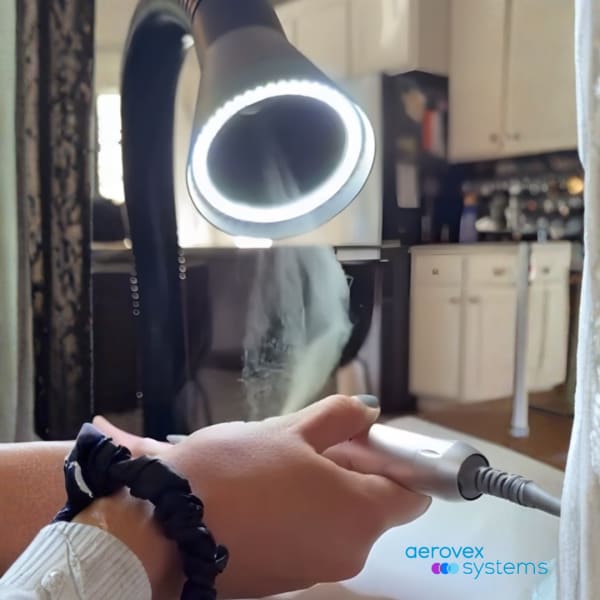
The Nail Salon Ventilation Code Every Owner Should Know
What actually counts as 'source capture' under nail salon ventilation code, and what doesn't (even if it feels like it should).
Sponsored by Aerovex Systems
 MENU
MENU SEARCH
As an industry, we’re examining the ways we can improve around diversity, inclusivity and representation. This educational equity consultant suggests we check ourselves, first.

In the 1949 Rogers and Hammerstein musical, the lyrics to the song “South Pacific,” addressed racial prejudice, saying that people are not born to be racist, they are instructed in their racism: “You’ve got to be taught to hate and fear, You’ve got to be taught from year to year, It’s got to be drummed in your dear little ear, You’ve got to be carefully taught.”
As our nation, and, indeed, the world, reflects on what we’ve been plainly taught about racism, we spoke with Christina Hale-Elliott, founder of Elliott Educational Services, and an educational equity consultant in Los Angeles, about learning environments and how we absorb information based on what surrounds us.
“You come into whatever profession you are in with all your background behind you and you have had it for decades and you don’t even question it,” Hale-Elliott says. “I’ll often recommend to folks in moments of conflict or challenge, when you’re seeing things differently than someone else, to take a moment to recognize what you’re bringing to the table. Being honest with this allows you to be more empathetic to the other person.”
This information applies to any individual and is especially pertinent to someone in a supervisory position, such as a salon owner, salon manger, or industry educator.
“Sometimes, when I do workshops to reflect on our identities, I’ll ask people to describe themselves,” she continues. “I rarely have white participants name themselves as white, whereas people of color will often name their race or ethnicity because they are aware of the ways that those identities inform how they interact with the world. Or if you are a person who does not have a disability, you generally don't name that identity, but if you are a person with a disability, you may. This is where the privilege piece comes in; often what doesn’t get named is what is normalized.”
MODERN SALON: What are some guidelines you suggest for creating a more inclusive learning environment?
HALE-ELLIOTT: The first thing I always recommend is for the educator to do some self-reflection. It’s easy to jump past this introspection right into thinking about our students and start strategizing but it’s more challenging to identify our own biases that are so normalized for us that we don’t even question them. Take time to pause and identify your own cultural lenses, your own biases and preferences, and not just regarding race and ethnicity but also culture. I say in my trainings, that anytime you have a group of people together, there is a culture. That’s in a school, a neighborhood, a workplace—there is a culture and shared identity.
From there, it’s seeking input from students on how they best learn. That can be through a learning preference inventory or other types of strategies or activities to get to know them better and that will inform what your instruction will look like.
Third, remain flexible and offer varied options. Don’t get stuck on any one thing—be flexible to try out different strategies and offer multiple modes to reach the same end and make sure there are supports in place so students can have the best chance of success.
MS: What are some of the variables that a school or educator or even a supervisor needs to consider before preparing to teach or offer direction?
H-E: There are so many variables. There are the big ones, like race, gender, religion, sexual orientation, social economic status, language, disability, but there are others. With each of those there is a whole story behind it of what that student has experienced.
That’s why relationships are so key. Make space and create opportunities for students to bring their full selves into the classroom. Make sure to recognize and acknowledge the dynamic, that as the educator and the teacher in the room, you hold a certain degree of power. It’s important to let students know that you value what they bring to the table, but also to let them know that you are not the ultimate source for information and knowledge and what they bring is also critically important. You want to hear what experiences they have as well because that informs how the class will go during that learning term.
MS: Talk to us about the term “implicit bias.”
H-E: In terms of race, implicit bias generally stems from those things that are so ingrained in our society that we don’t even think about them, those messages that we’ve been sent since childhood and the roots of those are still in the soil of racism.
There has been this tendency to use that term, implicit or unconscious bias, to avoid calling out racism. I do appreciate that in this current conversation we’re expanding beyond the notion of racism as someone in a white hood burning a cross on a lawn. But we’re now talking about how to be an antiracist, how to oppose those things that promote or condone racism. There is no neutral.
Originally posted on Modern Salon
What actually counts as 'source capture' under nail salon ventilation code, and what doesn't (even if it feels like it should).
Sponsored by Aerovex Systems
New services on the menu can create new opportunities, but they can also expose your business to greater liability. SASSI's Kathy Lopez shares a few services that pose greater risk, discusses some of the mistakes owners make when expanding their menus, and lists simple risk management strategies.

Shine Time: Aluram’s High Shine Line Delivers Moisture and Shine with Clean Ingredients
Sponsored by Aluram

Explore this curated selection of standout brands and essential products shaping today’s growing wellness and spa industry.

Neutralizing the damaging effects of water benefits the hair from texture to shine to color longevity, and it’s the science behind Malibu C products.
Sponsored by Malibu Wellness
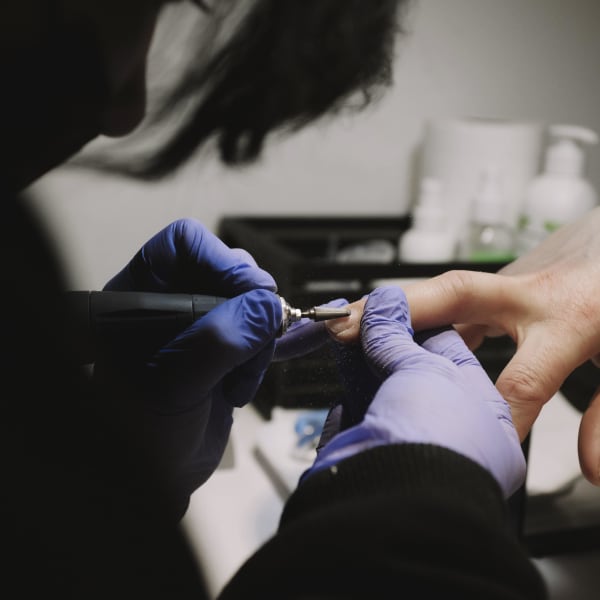
From acrylic monomers to airborne bio-dust, the air inside a nail salon carries risks most professionals never see coming. Aerovex Systems reveals the source-capture and room-purification strategies that are setting a new standard for salon safety.
Sponsored by Aerovex Systems
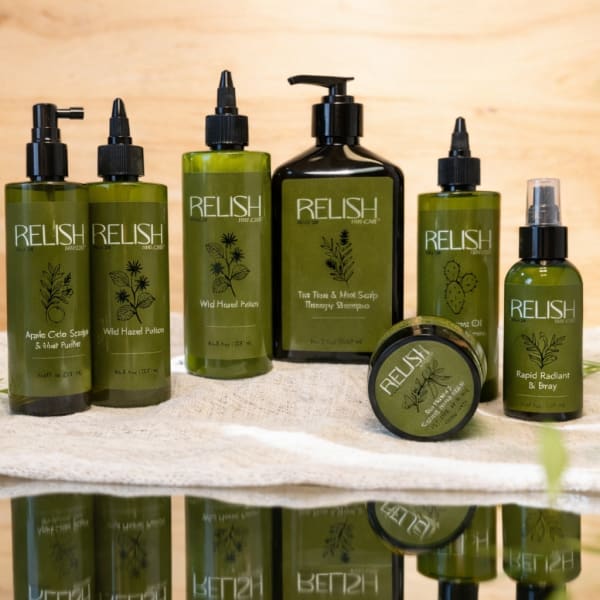
Good hair starts at the scalp. But most salons aren’t offering services or products that address scalp health. Relish, a new product line from the founders of Signature Formulations, has everything salons need to deliver an effective head spa service and offer guests a robust at-home scalp care line.
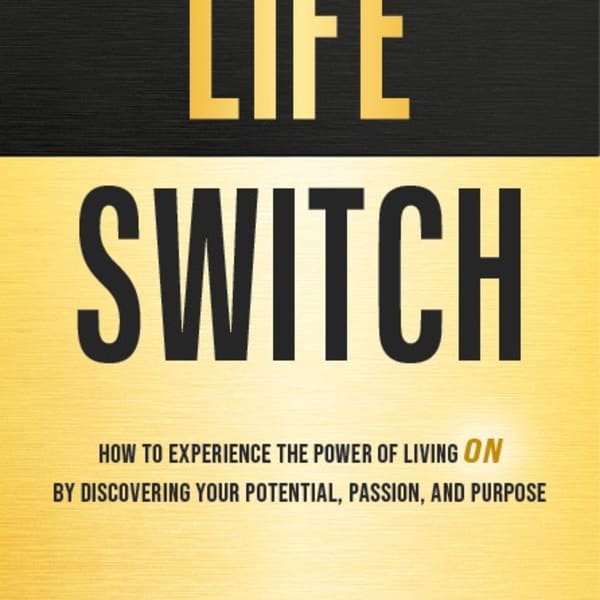
A new book by Joel Steele shows that the most powerful change people can make is to think differently if they want different results. The author believes in the 'Life Switch' so fervently that he's willing to donate $1 million from book sales when he sells his millionth copy.
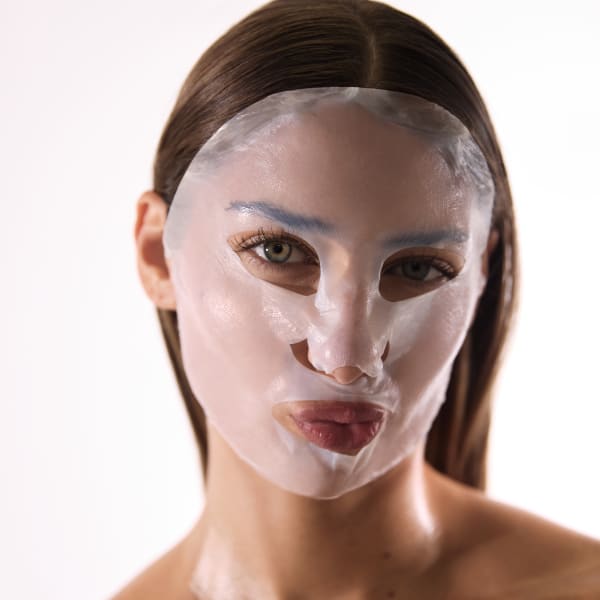
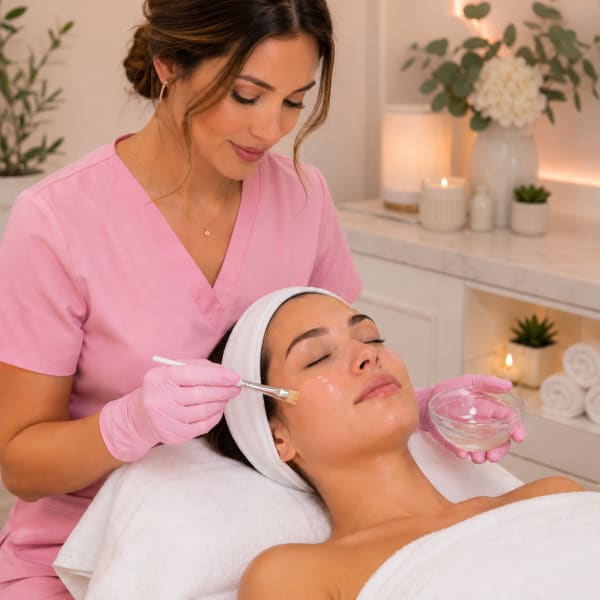
In an era where clients demand visible results with minimal recovery time, salons and spas are redefining what professional skincare means.

New global search data from beauty and wellness booking platform Fresha reveals that Botox remains the world’s most in-demand aesthetic treatment in 2025—but regenerative “tweakments” like polynucleotide injections, thread lifts and IV drips are seeing explosive growth across key markets.
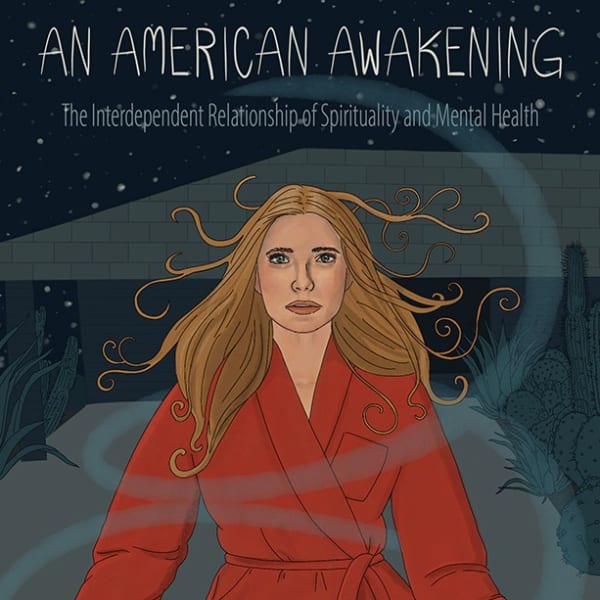
As rates of anxiety, depression, and substance use continue to climb across the U.S., conversations around mental health are more urgent than ever—yet one crucial perspective remains missing. In her captivating new book, Aymie Daniels introduces the little-known concept of “Spiritual Emergency” and opens a timely conversation about how America understands (and often mislabels) extreme psychological states.
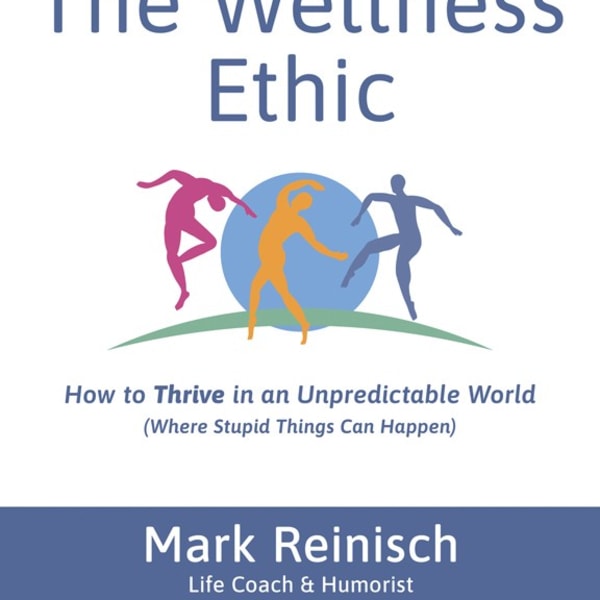
Author and Lifestyle Coach Mark Reinisch's new book challenges the outdated 'work ethic' model, which values success over health, happiness, and the soul. His antidote: wellness ethic lifestyle design--a bold, practical approach to building a life that works for you, on your terms.
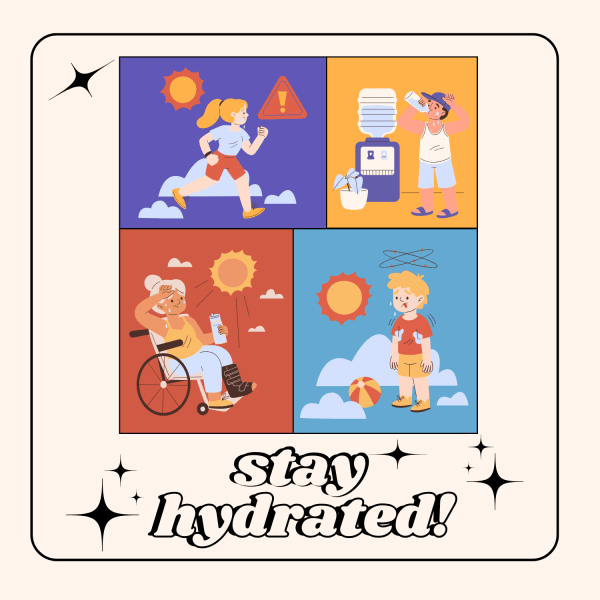
Water is a vital part of almost every process in the human body. Our Wellness Blogger Mary Wilson shows you why staying hydrated is so important and offers helpful guidelines on how to do it.

Located in downtown Denver, Sway Wellness Spa integrates the latest technology into services, offers accessible memberships, and brings a community setting to younger generations who yearn for a wellness experience that is not like their mothers'.
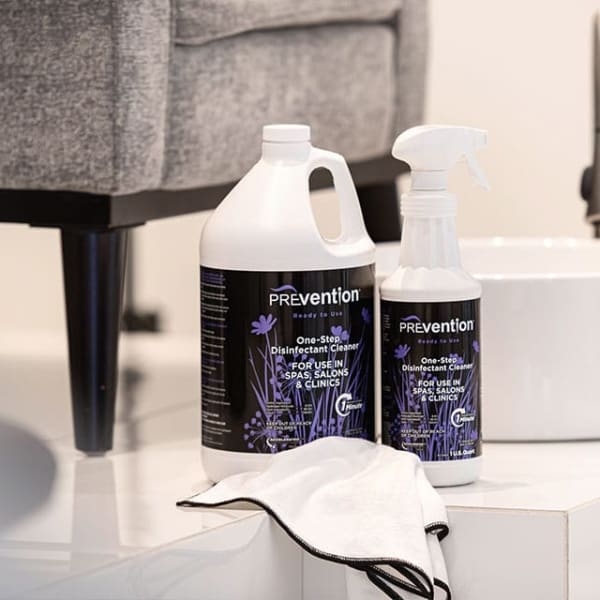
As a spa or salon professional, your clients expect more than just beauty—they expect safety, hygiene, and peace of mind. Fungal infections like Athlete’s Foot and Nail Fungus are more common than you think, especially in environments where tools and footbaths are reused without proper sanitation. This blog covers how to stop these issues before they start, using proven infection prevention strategies for salons and spas.
As the kids head back to school and the seasons shift, it might be time to clear your energy. Our Wellness Blogger Mary Wilson talks about why it's important and illustrates some of the different methods involved.
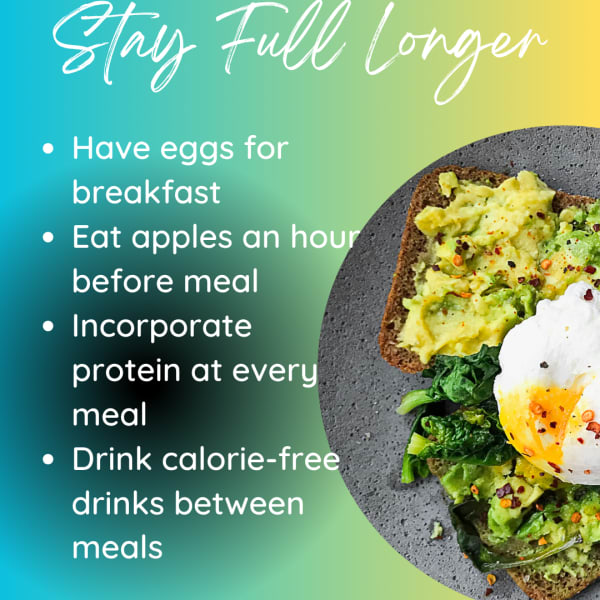
Do summer barbeques and sweet treats to beat the heat have you relaxing your healthy eating goals? Here comes our Wellness Blogger Mary Wilson to the rescue with some success hacks and meal prep tips that take advantage of the season's bounty.