






Even Good Stress Can Wear You Out
Your body doesn't necessarily tell the difference between a promotion and a deadline. In her first wellness blog for SALON TODAY, Wellify Co-Founder Laura Fuqua explains why even good stress has an impact.
 MENU
 SEARCH
You do not need to be a therapist to listen well. You do need to know where your role begins and ends. In her first blog for SALON TODAY, Modjossorica (Rica) Elysée shares five ways you and your team members can respond with care.

Rica Elysée shares five ways beauty professionals can respond when a client discloses something difficult during their appointment.
Rica Elysée
*Summarized by AI
Content note: This article discusses domestic violence and human trafficking.
The chair is a place where people come to be cared for. Somewhere between a shampoo, a skin treatment or a final check in the mirror, a client may say something they have never said aloud: "I'm scared of my partner." "I have cancer." "I'm going through a divorce."
It can be difficult to hear. It can also leave you wondering what you are supposed to do next.
Domestic violence is one kind of disclosure beauty professionals need to be ready for. According to the CDC's 2023/2024 National Intimate Partner and Sexual Violence Survey, more than 1 in 3 women and more than 1 in 6 men in the United States have experienced contact sexual violence, physical violence and/or stalking by an intimate partner during their lifetimes.[1]
The same CDC source reports that nearly 1 in 3 women and about 1 in 8 men experienced those forms of violence with at least one related impact, such as injury, safety concerns, missed work or school, or needing medical care.[1] These are people, not simply numbers on a page.
Most of us were never trained for that conversation. Caring about a client does not mean having all the answers. It means responding without adding pressure, staying within your role and knowing where to turn for help.
Your first job is to be present. Keep your hands steady and your voice calm. You do not need the perfect answer. "Thank you for telling me" lets your client know they were heard.
Give them room to speak. You do not have to fill every silence. A pause can feel uncomfortable when you are used to keeping the conversation moving. Let the client set the pace, and keep your response simple.
Questions like "Why don't you just leave?" can feel like judgment, even when they are well meant. You do not need the full story to be supportive. Let your client share as much or as little as they want. Keep the focus on listening, rather than sharing your experiences.
Being trusted with a story is not an invitation to investigate it. Notice the difference between listening and collecting details. You do not need a timeline, an explanation for every choice or an answer to every question that occurs to you. The client came for a service. They should not have to defend their story to receive care.
You are not your client's therapist, lawyer or rescuer. Trying to fix the situation can add pressure and sometimes risk. Your role is care and connection: listen, respect their choices and point them toward people trained to help.
You can care deeply without taking responsibility for solving everything. Before offering advice, ask yourself whether you are staying within the role you actually hold. A supportive response does not require a promise to fix the situation or a plan for the client to follow. Respecting their choices is part of respecting them.
Keep a discreet resource card at each station:
Offer, do not push: "Would it help if I shared a number you can call when it's safe?" Be ready to read it aloud if your client cannot safely take anything home.
Make preparation a team habit rather than leaving each professional to improvise. Know where the card is kept and how to offer it discreetly. A resource is useful only if staff can find it when the conversation happens.
Check your resource card once a year. Take an awareness course even if your state does not require one. A poster can make help visible, but it does not replace a thoughtful conversation.
A client's story is not break-room conversation, a group-chat topic or something to share with the next client. If someone is in immediate danger, call 911.
Hard stories take something out of you, too. Owners can build short weekly check-ins where staff talk about how they are doing without naming clients or sharing identifying details. Caring for clients starts with caring for the people who serve them.
The chair has always been a place of trust. With preparation, it can also be where someone finds a path to safety.
Source [1] Centers for Disease Control and Prevention, "About Intimate Partner Violence," updated August 19, 2026; citing the National Intimate Partner and Sexual Violence Survey: 2023/2024 Intimate Partner Violence Data Brief. https://www.cdc.gov/intimate-partner-violence/about/index.html
About the Author: Rica Elysée is the founder and CEO of BeautyLynk® and co-creator of Care in the Chair™, trauma-aware client-care training for beauty professionals, with Dr. Charmain Jackman of InnoPsych. She speaks on technology-enabled beauty businesses, AI in beauty and trauma-aware client care.
Understanding the boundaries of your role ensures that you provide appropriate support while not overstepping into areas that require professional therapy expertise.
*Summarized by AI
Your body doesn't necessarily tell the difference between a promotion and a deadline. In her first wellness blog for SALON TODAY, Wellify Co-Founder Laura Fuqua explains why even good stress has an impact.

Popping up across the UK, Menopause Cafés are helping women seek professional help with their menopause journeys. What better place to play host to one of these gatherings than a spa?
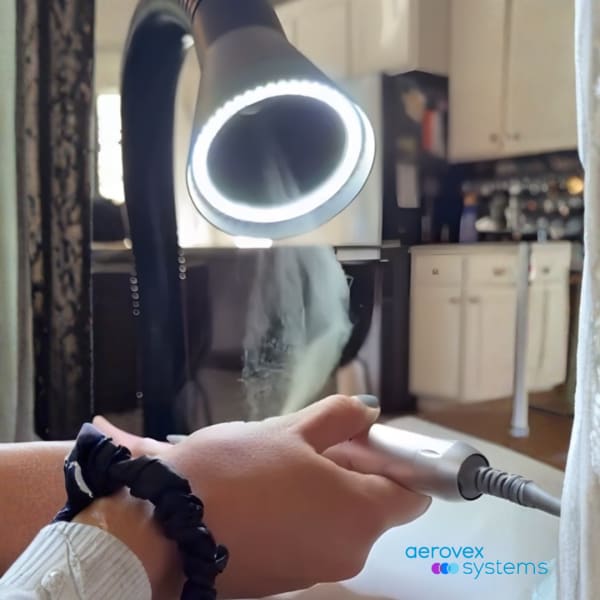
What actually counts as 'source capture' under nail salon ventilation code, and what doesn't (even if it feels like it should).
Sponsored by Aerovex Systems
New services on the menu can create new opportunities, but they can also expose your business to greater liability. SASSI's Kathy Lopez shares a few services that pose greater risk, discusses some of the mistakes owners make when expanding their menus, and lists simple risk management strategies.

Shine Time: Aluram’s High Shine Line Delivers Moisture and Shine with Clean Ingredients
Sponsored by Aluram

Explore this curated selection of standout brands and essential products shaping today’s growing wellness and spa industry.

Neutralizing the damaging effects of water benefits the hair from texture to shine to color longevity, and it’s the science behind Malibu C products.
Sponsored by Malibu Wellness
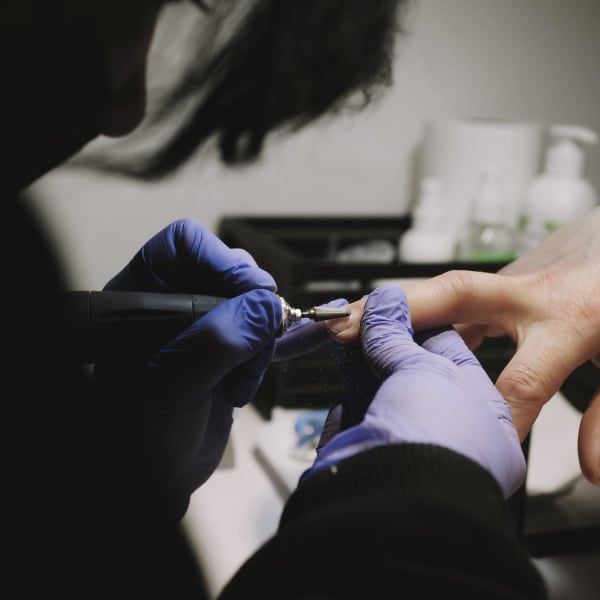
From acrylic monomers to airborne bio-dust, the air inside a nail salon carries risks most professionals never see coming. Aerovex Systems reveals the source-capture and room-purification strategies that are setting a new standard for salon safety.
Sponsored by Aerovex Systems

Good hair starts at the scalp. But most salons aren’t offering services or products that address scalp health. Relish, a new product line from the founders of Signature Formulations, has everything salons need to deliver an effective head spa service and offer guests a robust at-home scalp care line.

A new book by Joel Steele shows that the most powerful change people can make is to think differently if they want different results. The author believes in the 'Life Switch' so fervently that he's willing to donate $1 million from book sales when he sells his millionth copy.

In an era where clients demand visible results with minimal recovery time, salons and spas are redefining what professional skincare means.

New global search data from beauty and wellness booking platform Fresha reveals that Botox remains the world’s most in-demand aesthetic treatment in 2025—but regenerative “tweakments” like polynucleotide injections, thread lifts and IV drips are seeing explosive growth across key markets.

As rates of anxiety, depression, and substance use continue to climb across the U.S., conversations around mental health are more urgent than ever—yet one crucial perspective remains missing. In her captivating new book, Aymie Daniels introduces the little-known concept of “Spiritual Emergency” and opens a timely conversation about how America understands (and often mislabels) extreme psychological states.
Author and Lifestyle Coach Mark Reinisch's new book challenges the outdated 'work ethic' model, which values success over health, happiness, and the soul. His antidote: wellness ethic lifestyle design--a bold, practical approach to building a life that works for you, on your terms.
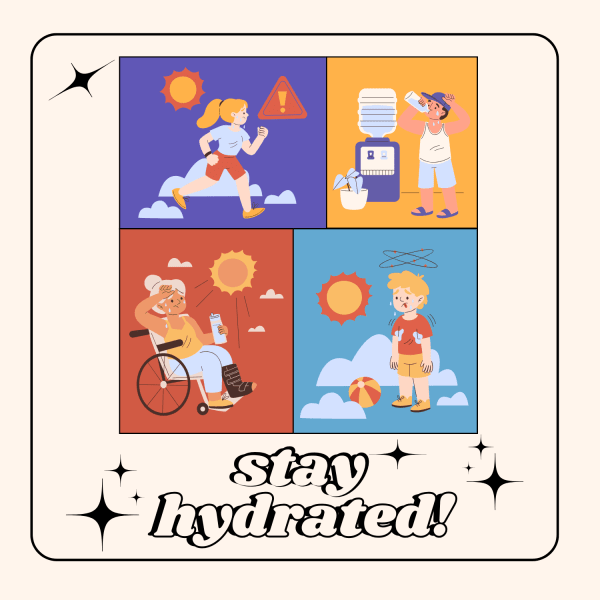
Water is a vital part of almost every process in the human body. Our Wellness Blogger Mary Wilson shows you why staying hydrated is so important and offers helpful guidelines on how to do it.

Located in downtown Denver, Sway Wellness Spa integrates the latest technology into services, offers accessible memberships, and brings a community setting to younger generations who yearn for a wellness experience that is not like their mothers'.
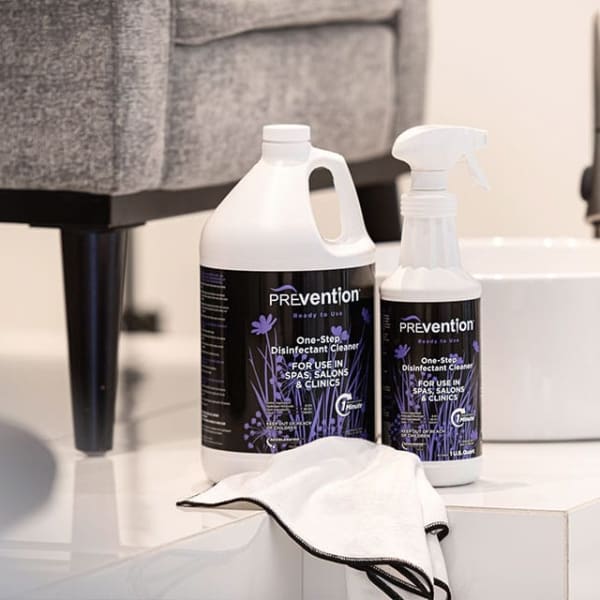
As a spa or salon professional, your clients expect more than just beauty—they expect safety, hygiene, and peace of mind. Fungal infections like Athlete’s Foot and Nail Fungus are more common than you think, especially in environments where tools and footbaths are reused without proper sanitation. This blog covers how to stop these issues before they start, using proven infection prevention strategies for salons and spas.