Three years ago on any given Saturday, the typical neighborhood barbershop would be bustling with every chair filled and walk-ins patiently awaiting their turn. The chatter of sports and pop culture along with a friendly exchange of mutual trashing would mix in the air with the buzzing of clippers and the scent of aftershave. Then in 2020, Covid hit. Businesses shut down, schools closed, and people stayed home from barber shops and salons.
Like many service industry pros, barbers had to pivot. How are they doing now? We checked in with two.
Ad Loading...
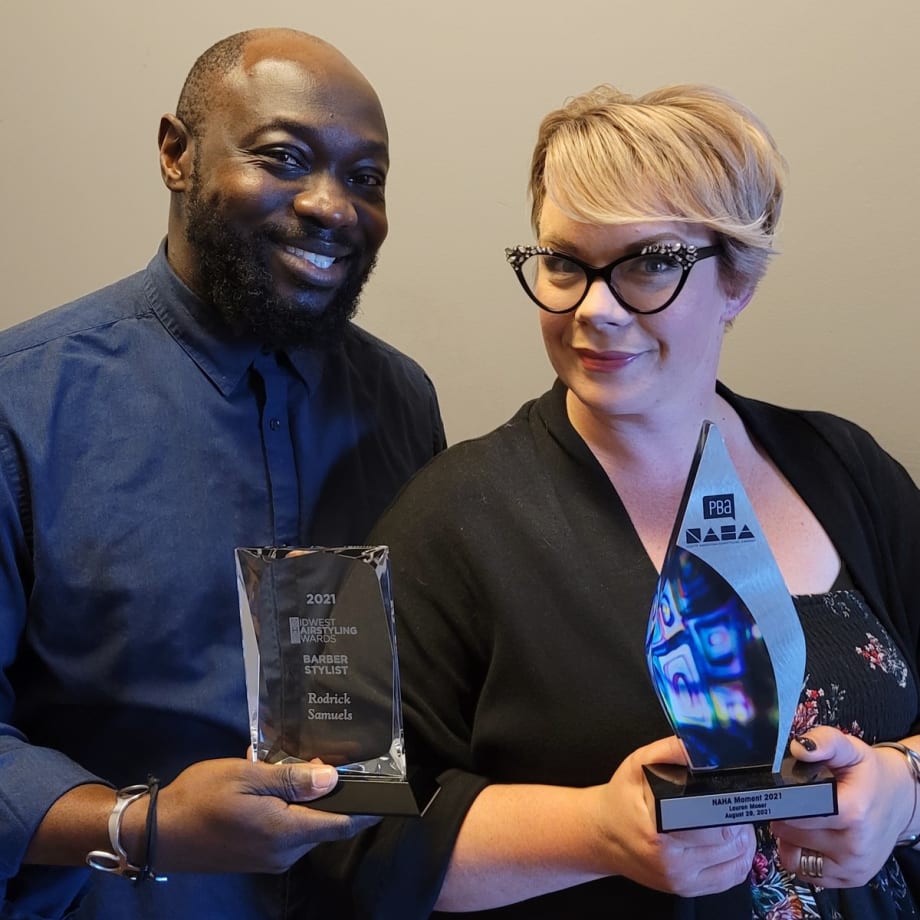
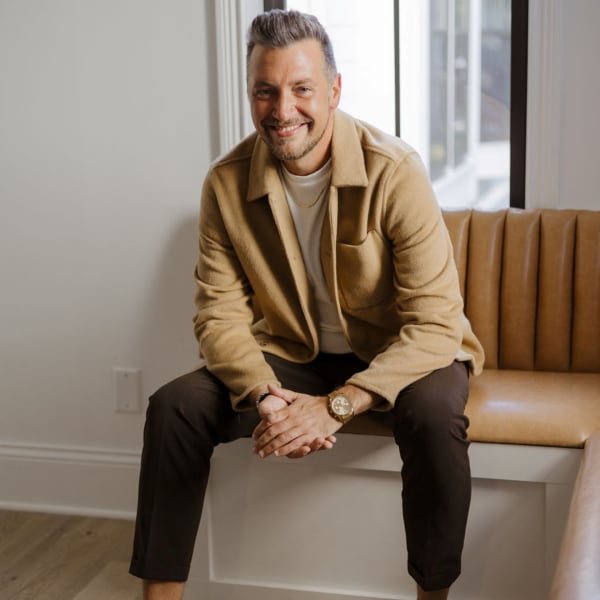
Rodrick Samuels (@rodricksamuels) always knew he'd teach someday. His mother was a teacher whose mantra was: “Education makes anything possible.” After becoming a licensed barber, Samuels followed in his mom's footsteps and began educating for multiple companies in the classroom, on stage, and on video. With his wife, hairstylist Lauren (Moser) Samuels (@laurenmmoser), he became part of an industry powerhouse couple.Together they owned Hair Lab Detroit The Salon. He was named a NAHA 2017 Finalist for Men’s Hairstylist of the Year, while she was a NAHA Texture finalist in 2013 and winner in 2019. Recently, Rodrick won the 2021 Barber Stylist Midwest Hairstyling Award and Lauren the 2021 NAHA Moment.
New Opportunity
The two were strategizing to determine their next step when 2020 brought Covid, and they found themselves quarantined at home with their creative forces on hold. But as the saying goes, “When one door closes, another opens.” Opportunity came knocking when they discovered a location in the nearby suburb of South Gate, MI, that had housed a cosmetology school. Typically, it takes approximately two years for a new school to get accreditation and eligibility for financial aid. They needed faster action than that.
“It was a godsend when we met Larry and Sherri Curtis, owners of Taylor Andrews Academy of Hair Design in Utah," Rodrick recalls. "After much discussion, Lauren and I agreed that we would open an extension school under the Taylor Andrews umbrella.” Hair Lab Detroit Barber School A Taylor Andrews Academy held its first open house in July 2020.
Obstacles like a pandemic didn’t sway the Rodrick and Lauren from teaching their new students. Through Zoom sessions and Pivot Point’s Lab program, they launched their school. The Lab’s online activities, discussion groups, and mini quizzes provide instant feedback while making learning social. Rodrick worked with Pivot Point to ensure the lessons were applicable to first-time students.
“Every student in the Lab program graduates with the foundational knowledge, design skills, and consultation experience for barbering success,” Rodrick says. The curriculum at Hair Lab Detroit includes curly texture education for short and long hair (not categorized by male or female), relaxing and perming longer hair, hair color, and business skills such as photography, editorial styling, and working social media.
Ad Loading...
As an interracial couple, the Samuelses say their approach to teaching offers a boutique education that’s beyond the standard barber curriculum. “We teach our students to see the hair's texture and length, not the ethnicity,” says Rodrick. “We’re not just teaching haircuts and fades; we’re teaching techniques that allow for a personalized approach to every single client. You’re not cutting ethnicity or gender. You’re cutting hair.”
Lauren adds, “As a hairdresser and lifelong public servant, I have learned a great deal about understanding and accepting other cultures. It’s something I teach to my own kids at home as well as in the classroom.”
Classes at Hair Lab Detroit are currently in session, and Roderick Samuels is now a full-time Director of Education.
Meanwhile, on the East Coast...
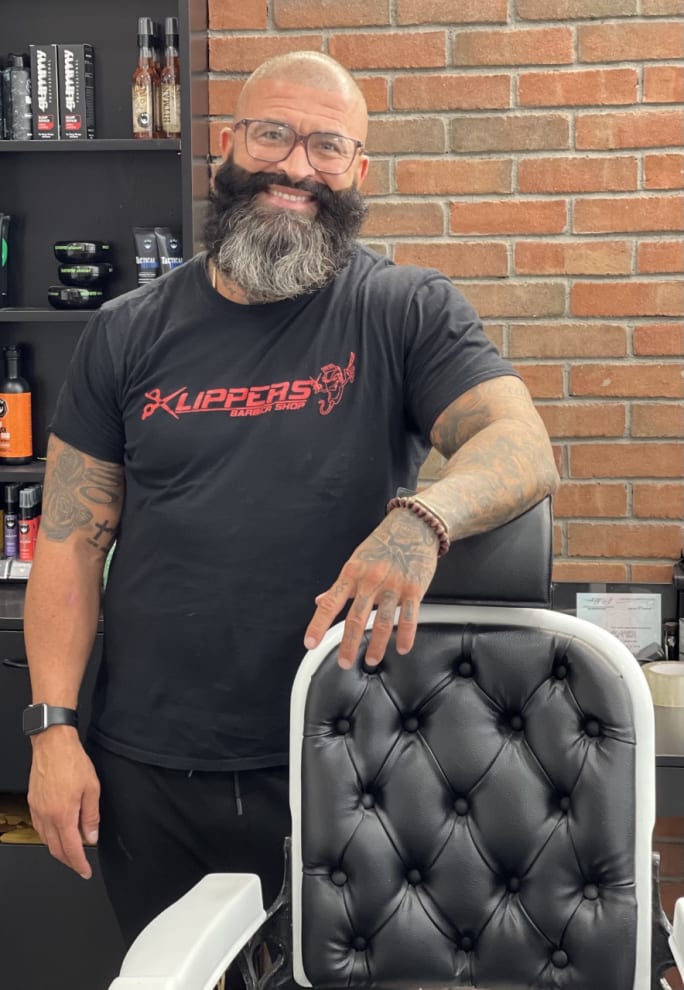
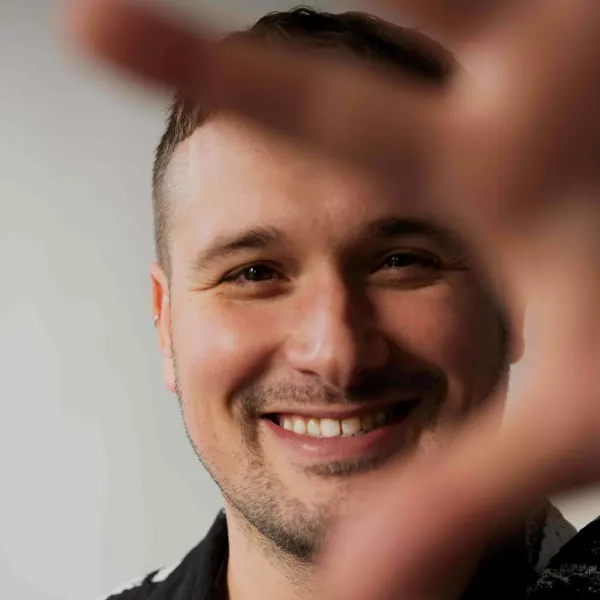
Danny Amorim (@successaddict) didn't want to let COVID-19 force him to walk away from his three New Jersey locations of Klippers Barbershops (@klippers_barbershop). But he accepted that business as he'd known it for nearly 20 years was about to change.
“Covid destroyed the hustle and the cash-and-carry aspect of barbering,” Amorim says now. “Before COVID, all of my barbers used their own scheduling apps and handled their own books. I was still old school with my pen and paper.”
Ad Loading...
Changing Work Patterns
When closing mandates lifted, Amorim decided to take over all scheduling for the salons' total of 30 chairs and provide a master scheduling app for all of his barbers and clients. This gave him access to each barber's schedule, and he prepared for pushback. Some barbers did not like giving Amorim access to their financials, and some clients stretched appointments or left altogether when they saw clearly how much their weekly cuts were costing.
Even Amorim saw drawbacks, concluding that scheduling apps may encourage a lax work ethic if it keeps the barber from accepting walk-ins, especially since walk-ins already were compromised by COVID-19 capacity restrictions. He says that barbers should retrain both themselves and their clients.
“We need to accept walk-ins, but COVID makes barbers think that we don’t," he says. "Not every client has access to a smartphone. If I have a 70-year-old man waiting for a cut in wintertime, I’m not going to make him wait outside."
The work ethic comes into play especially in the morning, Amorim adds. When he opens the shop at 8am, sometimes a few walk-ins are waiting, but none of his barbers arrive until their scheduled appointments later in the morning.
"If you’re not there to take the walk-ins, you’ve just lost business," he notes. "You’re also training your clients that you don’t take walk-ins, so they will go elsewhere. How do you build your clientele if it is by appointment only? You need a structure that helps clients know that they can expect to get a hair cut with or without an appointment.”
Ad Loading...
The pandemic may have upset the status quo, but Samuels and Amorim are looking forward to many years in this new reality.
Discover how to create a true “WOW experience” for every client by first building a culture where your team feels engaged, empowered, and inspired. Drawing on Calvin Stovall’s Iconic Framework, this blog explores how salon, spa, and clinic leaders can strengthen culture, elevate customer experience, and build a business that stands out for the long term.
The wellness industry is growing fast, and salons and barbershops already are an important part of it. In her first blog, Tracy Rado shares where the wellness dollars are heading, and how salon's can grow with this movement.
While salon sales are increasing, owners often feel they're working harder for the same or less profit. Leverage Q2 data from The KIM Report, Alain Audet reveals some of the structural changes that are dampening your growth and why your region and your salon size matters.
Weaknesses in your business are amplified during the Holiday Season. Spark Pro Global's Lucy Randall shows you five things to do now to have the strongest holiday season yet.
In Kati Whitledge's latest blog, she shares how salons have moved away from dress codes and embraced appearance standards. But by removing strict dress codes, some businesses may have unintentionally lowered their appearance standards. Whitledge helps you explain to your team why an appearance standard is important and how to smoothly implement a new appearance policy.
The Small Business Health Care Tax Credit is a non-refundable tax credit for for-profit businesses that provides a financial incentive for eligible employers who offer health insurance coverage to their employees. Leticia Skrabut, Esq., walks you through how to claim that credit.
Developing strong work habits early in one's career supports long-term success in the salon industry. Jesse Linares offers new stylists his top five tips.
Most salon owners have no idea what these numbers are.
You can hit record sales and still have a profit problem. The difference comes down to four numbers almost nobody was taught to track.
At Janet St. Paul Studio for Hair and Beauty, Director of Operations Natasha McMillen helps bring her wife Janet St. Paul's vision to life, elevating every system from education to operations.
The strongest salons, spas, and med spas know which numbers tell the real story of their business. In this practical guide, Phorest breaks down the five essential KPIs every business should track to improve retention, boost revenue, and make smarter decisions with confidence.
At Bella Style Salon in Slidell, Louisiana, Director of Operations Angela Meyer tackles inventory, team management, and guest relations. Read all about her in our latest Meet the Manager.
Starting at Impressions front desk in 2006 when he was 19 years old, General Manager Paul Petrowsky is a seasoned professional who owner Sarah Taylor says is responsible for much of her own success.
Planning is in full swing for the most anticipated events and promotions for the 2026 holidays. As owners share their favorite ways to celebrate, they prove that a carefully planned event can also build culture, increase client loyalty, boost sales, and set a business up for a successful 2027.
When things run amok at Mane Attraction Salon, Owners Chris and Jenny Knudsen say General Manager Sami Hernandez is their go-to resource and ultimate sounding board. Meet Sami in this installment of Meet the Manager.