Angie was having a pretty typical day in the salon. As usual, she was booked with long-time clients she has serviced for years, except for one. Shantell was a new client, coming for her second appointment. Angie and Shantell bonded quickly, and it looked like the beginning of a long-term relationship.
As Shantell settled into the chair, they started chatting about typical things: work, the kids, and the latest happenings. As the conversation turned to their childhood, Angie began reminiscing about her grandpa, who had recently passed. Shantell got quiet. Worried that she said something insensitive, Angie asked, “Are you okay?”
Shantell, struggling to get the words out, disclosed that her grandfather sexually abused her. Not sure what to do, Angie did her best to express empathy, but her words didn’t feel quite right considering the seriousness of the topic. Shantell gathered herself, they changed the subject to something lighter, and they spent the next hour chatting back and forth in small talk.
AWARENESS AND PREPARATION MATTER
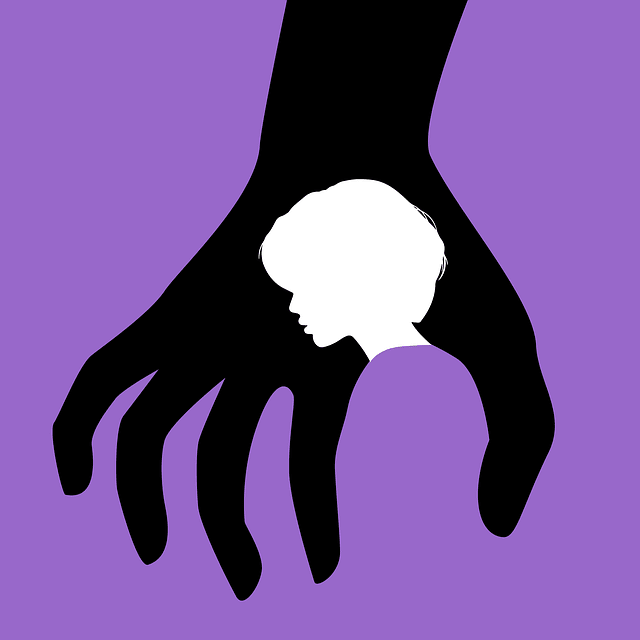
This experience is not unique to Angie. It is a common experience for stylists worldwide. May is Mental Health Awareness Month—a time to acknowledge many individuals' hidden battles. Sexual abuse is a major contributor to poor mental health. One in eight children is sexually abused by age eighteen, a devastating statistic that underscores how common this trauma is.(1)
As professionals who interact closely with clients, stylists often become witnesses to these stories and personal histories. Awareness and preparation can make all the difference in responding with empathy and care.
WHY DO CLIENTS DISCLOSE SENSITIVE INFORMATION?
Research with Australian hairdressers found that two of the five most common client disclosures are related to family dynamics and health. (2) Disclosures about abuse and domestic violence were notable in the research. Clients are more likely to disclose these sensitive topics to their stylist for three key reasons:
The amount of physical touch during an appointment releases bonding chemicals like oxytocin. This intimate bond can lower the client's psychological inhibitions.
Stylists may be perceived as confidants without consequences. Unless the stylist has a personal relationship with the client, the client can tell personal details without worrying about gossip, judgment, or long-term consequences.
The physical chair is a consistent space where the client sits still, faces a mirror, and is cared for. This can lower defenses and encourage self-reflection, leading to disclosure.
FIVE WAYS TO SUPPORT A CLIENT DURING A DISCLOSURE
Stylists have an opportunity to receive disclosures responsibly. Understanding how to approach these disclosures can enhance the client relationship without misstepping or potentially harming the client. Here are five tips to help you successfully receive disclosures:
Consider your well-being and boundaries. An honest evaluation of your background will help you determine whether you can navigate a disclosure or if it is best to deflect. For example, a stylist with an unresolved trauma background may be triggered during a disclosure, creating a challenging environment for them and the client. Understanding your needs and learning to set helpful boundaries will support your client relationships.
Believe clients when they disclose sexual abuse. This is the most important thing you can do for your client because it can lead to the next steps for their healing. Oftentimes, survivors report that the most painful part of their experience is when their disclosures are met with doubt or dismissal. A simple “I believe you” statement can go a long way.
Ensure the client’s safety. If the client shows signs of instability during or after their disclosure, some simple steps can help. Engaging their physical senses (e.g., sight, sound, smell, etc.) can help them ground. You should also have your local crisis helplines handy in case you need assistance from trained professionals. If anything escalates, calling 911 is appropriate.
Listen to the client. Allow clients to share what they want without pressuring them to share more than they are ready to. Avoid digging into details through invasive questions. Instead, reassure them with empathetic statements. Helpful questions focus on how you can support and help instead of digging for information.
Encourage the client to seek professional help from a licensed, trauma-informed therapist. Providing helpful resources on how to seek professional help can remove a barrier for them to move forward.
As stylists, you're not just shaping appearances—you’re often holding space for stories that have never been told. While you're not expected to be a therapist, your response can be a moment of healing. This Mental Health Awareness Month, consider learning more about trauma-informed care and keeping local support resources handy. Your chair might be the first place a client ever feels seen and believed—and that’s a powerful thing.
Citations
United Nations Children’s Fund (2020). Action to end child sexual abuse and exploitation: a review of the evidence 2020. UNICEF, New York.
Page, S. M., Chur-Hansen, A., & Delfabbro, P. H. (2021). Hairdressers as a source of social support: A qualitative study on client disclosures from Australian hairdressers’ perspectives. Health & Social Care in the Community, 30(5), 1735–1742. https://doi.org/10.1111/hsc.13553
About the Author: Chris Yadon, MPA, is the Managing Director of Saprea, a non-profit organization liberating individuals and society from child sexual abuse and its lasting impacts. His expertise centers on increasing awareness around this epidemic and educating the public on best practices for prevention and the healing services available to survivors. Yadon has been featured across several regional and national media platforms, where he is often requested to be an industry thought leader and expert.