








The Nail Salon Ventilation Code Every Owner Should Know
What actually counts as 'source capture' under nail salon ventilation code, and what doesn't (even if it feels like it should).
Sponsored by Aerovex Systems
 MENU
MENU SEARCH
Here are some myths that don't stand up to scrutiny, according to the World Health Organization.
The World Health Organization
People are understandably concerned about “coronavirus disease 2019” (abbreviated as COVID-19 or 2019-nCoV by the World Health Organization) which is caused by the virus, SARS-CoV-2. The outbreak of respiratory disease caused by a new coronavirus was first detected in Wuhan City, Hubei Province, China and has now been detected in many other locations internationally. The United States Centers for Disease Control (CDC)says that, “While the immediate risk of this new virus to the American public is believed to be low at this time, everyone can do their part to help us respond to this emerging public health threat.”
One way to do our part is to help dispel some of the myths that have cropped-up around ways to repel COVID-19/2019-nCoV. These myth-busters came directly from the World Health Organization (WHO). WHO is working closely with global experts, governments and partners to rapidly expand scientific knowledge on this new virus, to track the spread and virulence of the virus, and to provide advice to countries and individuals on measures to protect health and prevent the spread of this outbreak.
MYTHBUSTERS FROM THE WORLD HEALTH ORGANIZATION (Find the full list here)
Are hand dryers effective in killing the new coronavirus?
No. Hand dryers are not effective in killing the 2019-nCoV. To protect yourself against the new coronavirus, you should frequently clean your hands with an alcohol-based hand rub or wash them with soap and water. Once your hands are cleaned, you should dry them thoroughly by using paper towels or a warm air dryer.
For information about handwashing, see CDC’s Handwashing website,
Does the new coronavirus affect older people, or are younger people also susceptible?
People of all ages can be infected by the new coronavirus (2019-nCoV). Older people, and people with pre-existing medical conditions (such as asthma, diabetes, heart disease) appear to be more vulnerable to becoming severely ill with the virus.
WHO advises people of all ages to take steps to protect themselves from the virus, for example by following good hand hygiene and good respiratory hygiene.
Are antibiotics effective in preventing and treating the new coronavirus?
No, antibiotics do not work against viruses, only bacteria.
The new coronavirus (2019-nCoV) is a virus and, therefore, antibiotics should not be used as a means of prevention or treatment.
However, if you are hospitalized for the 2019-nCoV, you may receive antibiotics because bacterial co-infection is possible.
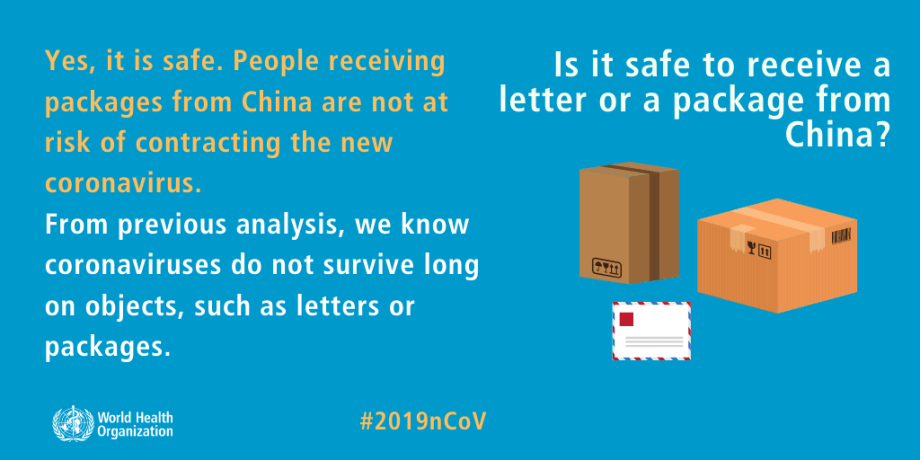
Is it safe to receive a letter or a package from China?
Yes, it is safe. People receiving packages from China are not at risk of contracting the new coronavirus. From previous analysis, we know coronaviruses do not survive long on objects, such as letters or packages.
Can pets at home spread the new coronavirus (2019-nCoV)?
At present, there is no evidence that companion animals/pets such as dogs or cats can be infected with the new coronavirus. However, it is always a good idea to wash your hands with soap and water after contact with pets. This protects you against various common bacteria such as E.coli and Salmonella that can pass between pets and humans.
Do vaccines against pneumonia protect you against the new coronavirus?
No. Vaccines against pneumonia, such as pneumococcal vaccine and Haemophilus influenza type B (Hib) vaccine, do not provide protection against the new coronavirus.
The virus is so new and different that it needs its own vaccine. Researchers are trying to develop a vaccine against 2019-nCoV, and WHO is supporting their efforts.
Although these vaccines are not effective against 2019-nCoV, vaccination against respiratory illnesses is highly recommended to protect your health.
Can regularly rinsing your nose with saline help prevent infection with the new coronavirus?
No. There is no evidence that regularly rinsing the nose with saline has protected people from infection with the new coronavirus.
There is some limited evidence that regularly rinsing nose with saline can help people recover more quickly from the common cold. However, regularly rinsing the nose has not been shown to prevent respiratory infections.
Can eating garlic help prevent infection with the new coronavirus?
Garlic is a healthy food that may have some antimicrobial properties. However, there is no evidence from the current outbreak that eating garlic has protected people from the new coronavirus.
Are there any specific medicines to prevent or treat the new coronavirus?
To date, there is no specific medicine recommended to prevent or treat the new coronavirus (2019-nCoV).
However, those infected with the virus should receive appropriate care to relieve and treat symptoms, and those with severe illness should receive optimized supportive care. Some specific treatments are under investigation, and will be tested through clinical trials. WHO is helping to accelerate research and development efforts with a range or partners.
PREVENTION ADVICE FROM THE CENTERS FOR DISEASE CONTROL AND PREVENTION
There is currently no vaccine to prevent coronavirus disease 2019 (COVID-19). The best way to prevent illness is to avoid being exposed to this virus. However, as a reminder, CDC always recommends everyday preventive actions to help prevent the spread of respiratory diseases, including:
Avoid close contact with people who are sick.
Avoid touching your eyes, nose, and mouth.
Stay home when you are sick.
Cover your cough or sneeze with a tissue, then throw the tissue in the trash.
Clean and disinfect frequently touched objects and surfaces using a regular household cleaning spray or wipe.
Follow CDC’s recommendations for using a facemask.
CDC does not recommend that people who are well wear a facemask to protect themselves from respiratory diseases, including COVID-19.
Facemasks should be used by people who show symptoms of COVID-19 to help prevent the spread of the disease to others. The use of facemasks is also crucial for health workers and people who are taking care of someone in close settings (at home or in a health care facility).
Wash your hands often with soap and water for at least 20 seconds, especially after going to the bathroom; before eating; and after blowing your nose, coughing, or sneezing.
If soap and water are not readily available, use an alcohol-based hand sanitizer with at least 60% alcohol. Always wash hands with soap and water if hands are visibly dirty.
For information specific to healthcare, see CDC’s Hand Hygiene in Healthcare Settings
These are everyday habits that can help prevent the spread of several viruses. CDC does have specific guidance for travelers.
If you do become ill, here is what the CDC recommends.
MORE at The World Health Organization: https://www.who.int/emergencies/diseases/novel-coronavirus-2019
MORE at The Centers for Disease Control: https://www.cdc.gov/
Originally posted on Modern Salon
What actually counts as 'source capture' under nail salon ventilation code, and what doesn't (even if it feels like it should).
Sponsored by Aerovex Systems
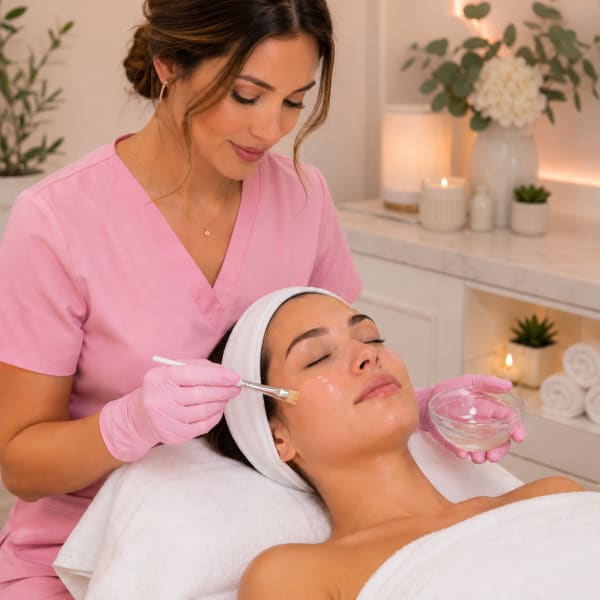
New services on the menu can create new opportunities, but they can also expose your business to greater liability. SASSI's Kathy Lopez shares a few services that pose greater risk, discusses some of the mistakes owners make when expanding their menus, and lists simple risk management strategies.

Shine Time: Aluram’s High Shine Line Delivers Moisture and Shine with Clean Ingredients
Sponsored by Aluram
Explore this curated selection of standout brands and essential products shaping today’s growing wellness and spa industry.

Neutralizing the damaging effects of water benefits the hair from texture to shine to color longevity, and it’s the science behind Malibu C products.
Sponsored by Malibu Wellness
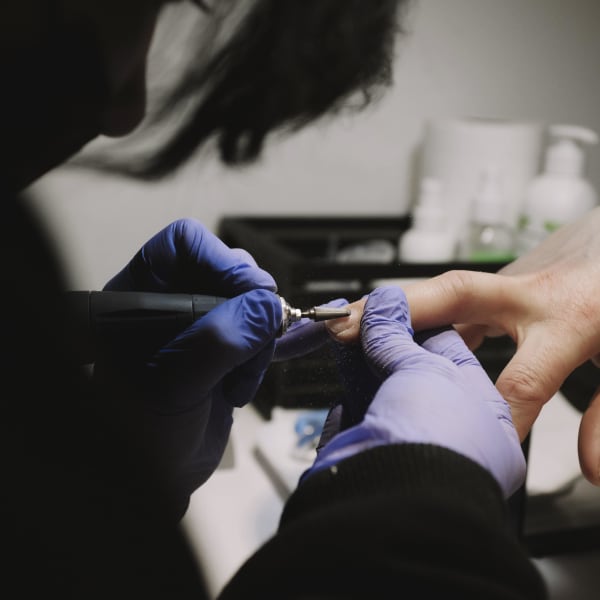
From acrylic monomers to airborne bio-dust, the air inside a nail salon carries risks most professionals never see coming. Aerovex Systems reveals the source-capture and room-purification strategies that are setting a new standard for salon safety.
Sponsored by Aerovex Systems
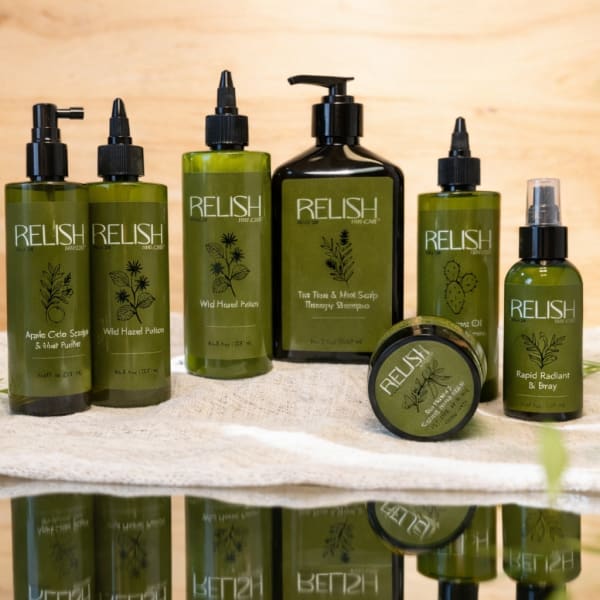
Good hair starts at the scalp. But most salons aren’t offering services or products that address scalp health. Relish, a new product line from the founders of Signature Formulations, has everything salons need to deliver an effective head spa service and offer guests a robust at-home scalp care line.
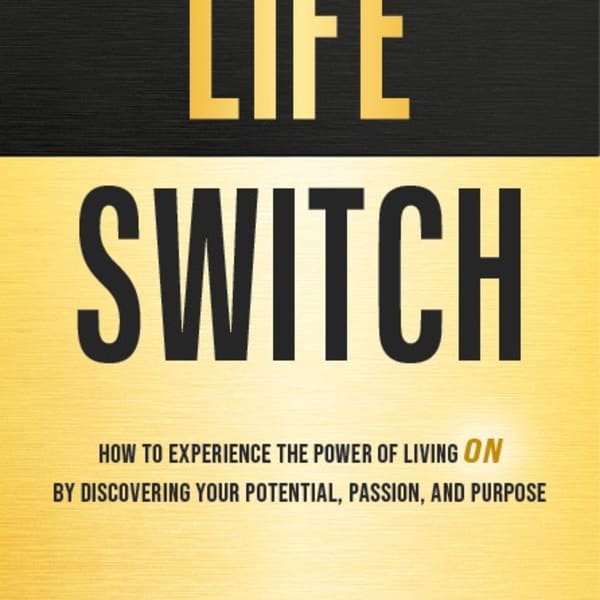
A new book by Joel Steele shows that the most powerful change people can make is to think differently if they want different results. The author believes in the 'Life Switch' so fervently that he's willing to donate $1 million from book sales when he sells his millionth copy.
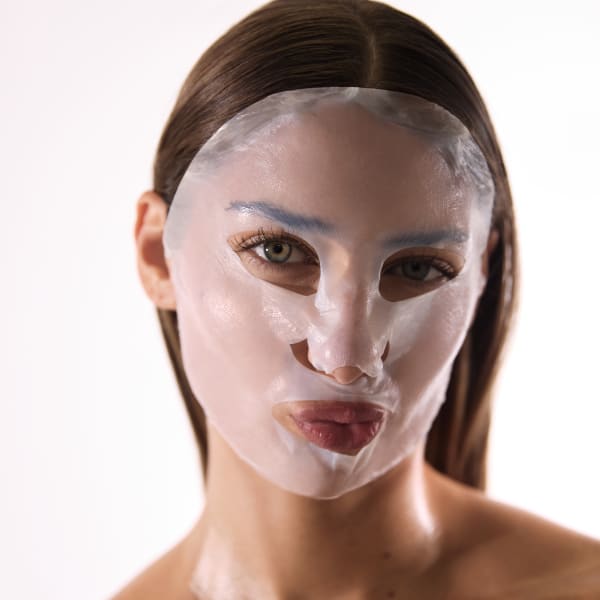
In an era where clients demand visible results with minimal recovery time, salons and spas are redefining what professional skincare means.
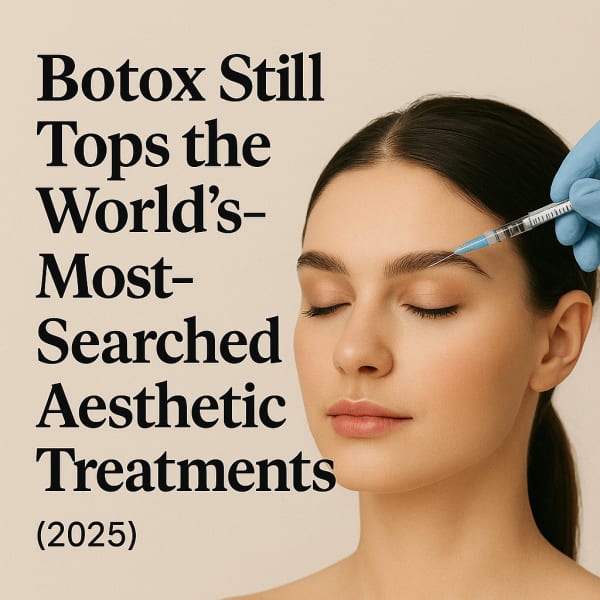
New global search data from beauty and wellness booking platform Fresha reveals that Botox remains the world’s most in-demand aesthetic treatment in 2025—but regenerative “tweakments” like polynucleotide injections, thread lifts and IV drips are seeing explosive growth across key markets.
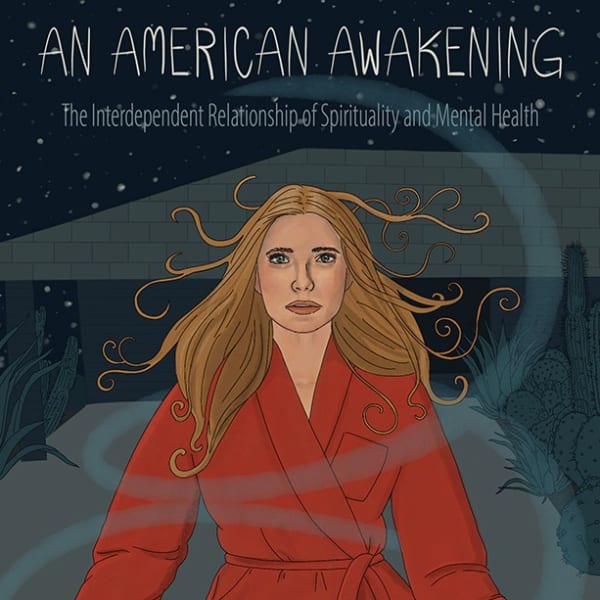
As rates of anxiety, depression, and substance use continue to climb across the U.S., conversations around mental health are more urgent than ever—yet one crucial perspective remains missing. In her captivating new book, Aymie Daniels introduces the little-known concept of “Spiritual Emergency” and opens a timely conversation about how America understands (and often mislabels) extreme psychological states.
Author and Lifestyle Coach Mark Reinisch's new book challenges the outdated 'work ethic' model, which values success over health, happiness, and the soul. His antidote: wellness ethic lifestyle design--a bold, practical approach to building a life that works for you, on your terms.
Water is a vital part of almost every process in the human body. Our Wellness Blogger Mary Wilson shows you why staying hydrated is so important and offers helpful guidelines on how to do it.

Located in downtown Denver, Sway Wellness Spa integrates the latest technology into services, offers accessible memberships, and brings a community setting to younger generations who yearn for a wellness experience that is not like their mothers'.
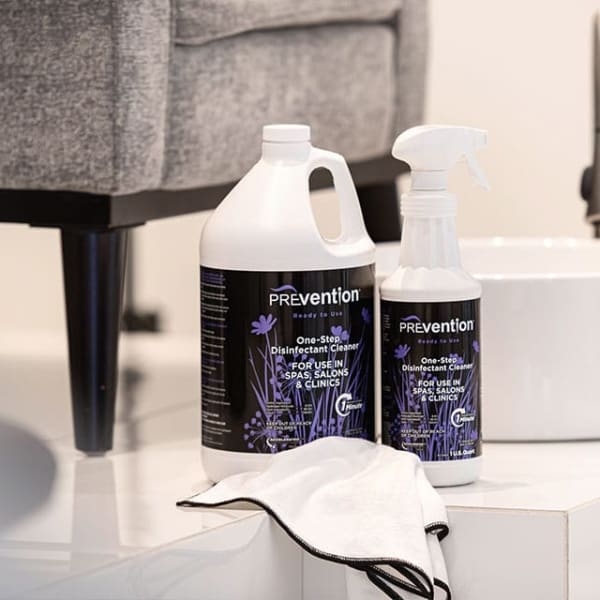
As a spa or salon professional, your clients expect more than just beauty—they expect safety, hygiene, and peace of mind. Fungal infections like Athlete’s Foot and Nail Fungus are more common than you think, especially in environments where tools and footbaths are reused without proper sanitation. This blog covers how to stop these issues before they start, using proven infection prevention strategies for salons and spas.

As the kids head back to school and the seasons shift, it might be time to clear your energy. Our Wellness Blogger Mary Wilson talks about why it's important and illustrates some of the different methods involved.

Do summer barbeques and sweet treats to beat the heat have you relaxing your healthy eating goals? Here comes our Wellness Blogger Mary Wilson to the rescue with some success hacks and meal prep tips that take advantage of the season's bounty.