Keratase Treatments and H2O Salon Northshore: Perfect Partners
Keratase treatments help H2O Salon Northshore in Mandeville, Louisiana, give clients a spa experience at the shampoo bowl.
by Staff
July 22, 2021
With the addition of the Kerastase treatments, H20 Salon and Spa evolved from a hair salon to a care salon.
3 min to read
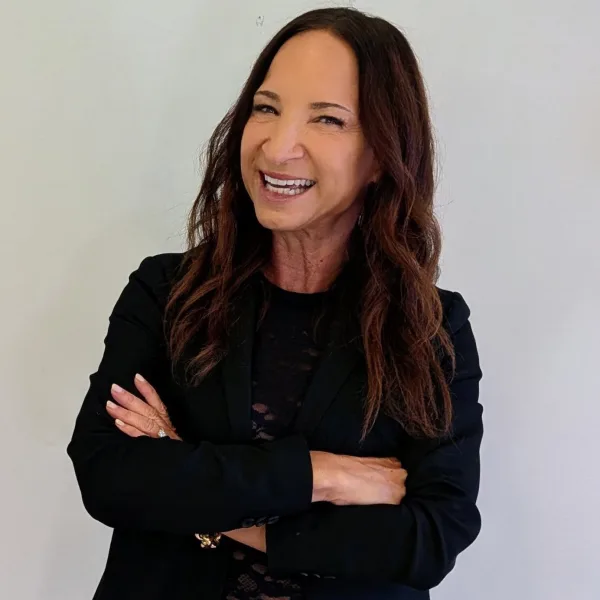
Holli Gaspard and Heather Mahoney, owners of H20 Salon and Spa. Mahoney owns the location in Mandeville, Louisiana, and Gaspard owns the one in Metairie, Louisiana.
WhenKeratase launched its brand 10 years ago, H20 Salon and Spa, with two locations in Mandeville and Metairie, Lousiana, signed up right away. The owners, sisters Heather Mahoney and Holly Gaspard, saw potential for making Keratase treatments a cornerstone of business. They knew that treatments could give guests that spa experience at the bowl that creates an early emotional connection. Clients would feel good and look good. Mahoney hoped it would set her brand apart, add value and create affordable luxury.
A Care Salon
The H20 Salon and Spa in Mandeville.
"The treatments evolved as we began to see the client engagement grow while their hair started to look and feel amazing," Mahoney recalls. "Our team saw the financial benefit for them. Every detail was designed to make a client feel pampered, relaxed and renewed. Our hair salon became a care salon, with a private space where the lights are dim, the music is soft and relaxing, and the chair reclines, giving the client that one-on-one connection."
Ad Loading...
The initiative paid off. "Our competitive edge is our care space," Mahoney says. "This investment created a deeper client relationship that led to client loyalty. We have a care-card treatment program that keeps our success going."
Training for Caring
To make sure the treatment matches the guest's needs, Mahoney trains her team to diagnose the hair and determine what the hair needs.
"Having care conversations with asking the right questions leads to finding what’s most important for the hair and the client," Mahoney explains. "It is all about client connection. Everyone is looking for 'SHH'—strength, shine, hydration. Our primary purpose is to connect and bring value to the client; earnings will follow."
The isolation of 2020 punctuated the reasons clients seek professional beauty. "The pandemic showed us how much our clients needed to be touched and cared for," Mahoney reports. "Our care space became a place where they could relax, enjoy, and feel cared for. It revealed to us that people needed to feel important, special, and loved."
Dollars and Sense
As predicted, earnings have followed, for both the technician and the salon. Mahoney's stylists do 7-9 clients a day with a 45% commission. Let's say three of those clients get treatments:
12 treatments x $31/treatment = $372
$372 x 45% = $167.40 for the stylist
$167.40 x 52 weeks in a year = annual stylist earnings of $8,704.08
Extrapolating her figures to a typical salon of 5 stylists, Mahoney says the revenue can be imipressive. She calculates:
38 treatments/week at the salon = 7.3 treatments/stylist
$38/treatment x 7.3 treatments = $1,444/stylist.
$1,444/stylist/week x 5 stylists = $75,088/year
$75,088/year minus expenses like color, towels, product cost, shampoo assistant = $25,000 salon profit
Sharing the Bright Idea
"Most shampoo areas are a cost center," Mahoney notes. "For us it is a revenue stream that lavishes our guest in luxury."
Mahoney is sharing what she's learned through a salon training program focused on chair optimization. "This concept can revolutionize your shampoo bowl," she says. "As we say, don’t let money go down the drain. It is time for you to get in the treatment game. Luxury is up, and people want it!"
Are one of your traditional, handed-down salon management practices actually breaking the law. The pros from Paragon HR Consulting walk you through seven common Human Resources mistakes that could land you in hot water.
All beauty professionals should know how to identify when a client may need some health guidance. Tracy Rado discusses some common questions that clients ask in the chair, how to advise them, and when to refer them to a specialist.
From managing air traffic on busy days to handling frustrated guests' complaints, your front desk team often serves as the salon's emotional shock absorber. From a customer service lesson from the DMV to a list of strategies for caring for your front line, our experts offer ideas for alleviating stress, celebrating wins, and setting goals.
According to the KIM Report, top-line salon revenue appears steady or slightly up, but that growth is driven primarily by service price increases. Beneath the surface, retail performance and client visit frequency (appointment drift) are under real pressure. In his latest blog, Alain Audet offers strategies for keeping your salon's retail sales strong.
Putting your family to work in the salon offers some real tax benefits, but you have you have to play by the rules of the tax code to claim them. Azarvand Tax Law's Leticia Skrabut, Esq., shows you how.
Discover how to create a true “WOW experience” for every client by first building a culture where your team feels engaged, empowered, and inspired. Drawing on Calvin Stovall’s Iconic Framework, this blog explores how salon, spa, and clinic leaders can strengthen culture, elevate customer experience, and build a business that stands out for the long term.
The wellness industry is growing fast, and salons and barbershops already are an important part of it. In her first blog, Tracy Rado shares where the wellness dollars are heading, and how salons can grow with this movement.
While salon sales are increasing, owners often feel they're working harder for the same or less profit. Leverage Q2 data from The KIM Report, Alain Audet reveals some of the structural changes that are dampening your growth and why your region and your salon size matters.
Weaknesses in your business are amplified during the Holiday Season. Spark Pro Global's Lucy Randall shows you five things to do now to have the strongest holiday season yet.
In Kati Whitledge's latest blog, she shares how salons have moved away from dress codes and embraced appearance standards. But by removing strict dress codes, some businesses may have unintentionally lowered their appearance standards. Whitledge helps you explain to your team why an appearance standard is important and how to smoothly implement a new appearance policy.
The Small Business Health Care Tax Credit is a non-refundable tax credit for for-profit businesses that provides a financial incentive for eligible employers who offer health insurance coverage to their employees. Leticia Skrabut, Esq., walks you through how to claim that credit.
Developing strong work habits early in one's career supports long-term success in the salon industry. Jesse Linares offers new stylists his top five tips.
Most salon owners have no idea what these numbers are.
You can hit record sales and still have a profit problem. The difference comes down to four numbers almost nobody was taught to track.