Jade Salon Parses Out the Meaning of “Inclusivity”
From staffing to culture to pricing, incorporating diversity, equity and inclusivity into their business has been a learning journey for the North Carolina owners and team.
The new owners of Jade Salon in Greensboro, North Carolina, were putting their stamp on the salon they were in the process of buying, and they wanted their team to get better at doing textured hair. Partners Kate Greisser and Annie Gordon believed that would help to make the salon more inclusive. Now they realize they were barely dipping one toe into the sea of what inclusivity is.
You Are What You Show
The writing, as they say, was on the wall, but it took an Aveda educator to read it for everyone. Brought in to conduct the textured hair class, the educator instead provided a wake-up call.
Ad Loading...
“You want to be more inclusive?” the educator asked. “Well, I have to tell you—standing here looking at the images on your posters, all I see is blonde white women. You may want to start there.”
But those were Aveda posters, standard for Aveda Lifestyle salons, this happened to be the “year of the blonde” and, technically, Greisser and Gordon hadn’t taken over complete ownership yet. While enough excuses were available, the new owners didn’t use any of them. They replaced the posters, as well as the images on their website and those representing Jade Salon on social media, with a variety of looks in hair color, texture, and model.
And then they really got to work.
Living the Brand
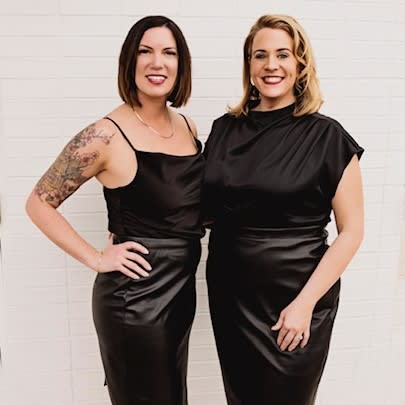
Kate Greisser (left) and Annie Gordon
“We were two middle-aged white women naively thinking of the salon as a very ‘kumbaya’ space, where everybody felt welcome,” Gordon reflects. “As the word ‘inclusion’ gained prominence, we wanted our brand to indicate that we were inclusive. But we realized that you can’t just use the word; you really have to live by it. How could we go down that path and make the space truly inclusive for our team, our guests, and the people in our community?”
They decided that living the brand would not mean attaching a sticker to the window to cue any particular community that the salon was a safe space. For one thing, there were too many categories and varieties within each category. Country of origin, race, LGBTQ identity, age, abilities, body size, marital status, politics. Jade’s owners didn’t want anyone to feel left out because of what they looked like or who they were.
Ad Loading...
“We choose to imagine that our window is already completely full with millions of stickers,” Gordon says. “Make that assumption with us.”
That doesn’t mean words aren’t important. Team members helped the owners train the staff in gender-neutral language as well as language that gets it right with Black guests. Gender terms have been removed from the service menu. Greisser says they train staff who speak on the phone to ask about length of hair, not to ask, “Is this a regular men’s cut?”
Hire Diversity
It made sense to take a fresh look at hiring. From presenting at all the local schools to interviewing applicants with experience, the owners cast a wide net for candidates of different backgrounds. It didn’t take long for the images they were posting to begin having an effect.
“When we interview, we now attract everyone,” Greisser reports. “It’s incredible! It’s an organic experience. We don’t judge people by the way they look, speak, or where they come from. We interview a lot, and we always ask, ‘What brought you into our salon?’ They tell us they want to work with us because of the social media we put out.”
At schools, especially, the students look for environments where they’ll fit in.
Ad Loading...
“They see people who look like them or put their pronouns out there and show they’re LBGTQ-friendly,” Greisser says.
Feeling the Love
One applicant interrupted the interview to inform the owners that she was married to a woman. The owners told her that was fine, adding, “I’m sorry you feel that you even have to tell us.”
Another applicant, responding to the “What brought you here” question, let the owners know they were transgender. “I can just tell that you’re open to all guests and I would feel comfortable here,” the applicant said.
Citing that same reason of feeling comfortable, one guest mentioned that her daughter, who was obese, had been in the salon when she was in town and said she’d be back the next time visited.
“I’ve been plus-sized my whole life, and it was huge for me when our guest told us that,” Gordon notes. “I want to see a website with different body types.”
Ad Loading...
Folding Inclusivity into Core Values
Jade Salon focuses on what’s happening in Greensboro; community alignment is one of the salon’s cultural values. The owners do not compromise on that.
“If we’re going to raise money for a charity or support an organization, it cannot be a national group,” Gordon explains. “It must be something local. For example, we don’t raise funds for the general Black Lives Matter movement but might contribute to an event going on in Greensboro.”
The team decided that a Friday night book club would be a great way to bring team members together, all reading and discussing the same book. The first book they chose focused on the history of Black hair. Up to 20 people participated, with each week’s conversation led by a different participant.
Another value is to empower team members to pursue and promote their own interests. They’re encouraged to post diverse looks on their social platforms, and they can use the salon for a photo shoot, but they have to take the initiative; the owners won’t just do everything for them. When a stylist asked to become certified in locks, the salon paid for half the cost, not all of it.
Inclusivity Builds Business
Now that the stylist, who is Black, is certified and consistently posts her work on social media, an entirely new market has opened up. “It’s phenomenal to be able to add locks to our service menu,” Greisser says.
Ad Loading...
Attracting applicants who speak different languages has generated a larger and more diverse clientele.
“It’s easier now for some guests because there's no language barrier,” Greisser notes. “Even having people on staff who can speak Spanish is beneficial for us.”
Growth is a Journey, not a Destination
The owners confide that when SALON TODAY reached out to them for an article on this topic, they exchanged glances and shared their single thought: at least it wasn’t a podcast! They’d have a little time to think through their responses when sometimes this discussion can still feel like a minefield just waiting for a misstep.
“We’re aware that although we’re moving in the right direction, we’re still navigating it,” Gordon says. “Stylists can say they want to do more Black hair, more gender-neutral hair, but it takes time to get enough education to get good at that. Even though we’re really proud of where we’ve come, this is still the beginning of the road for us. We’re in the trenches trying to get it right.”
Discover how to create a true “WOW experience” for every client by first building a culture where your team feels engaged, empowered, and inspired. Drawing on Calvin Stovall’s Iconic Framework, this blog explores how salon, spa, and clinic leaders can strengthen culture, elevate customer experience, and build a business that stands out for the long term.
The wellness industry is growing fast, and salons and barbershops already are an important part of it. In her first blog, Tracy Rado shares where the wellness dollars are heading, and how salon's can grow with this movement.
While salon sales are increasing, owners often feel they're working harder for the same or less profit. Leverage Q2 data from The KIM Report, Alain Audet reveals some of the structural changes that are dampening your growth and why your region and your salon size matters.
Weaknesses in your business are amplified during the Holiday Season. Spark Pro Global's Lucy Randall shows you five things to do now to have the strongest holiday season yet.
In Kati Whitledge's latest blog, she shares how salons have moved away from dress codes and embraced appearance standards. But by removing strict dress codes, some businesses may have unintentionally lowered their appearance standards. Whitledge helps you explain to your team why an appearance standard is important and how to smoothly implement a new appearance policy.
The Small Business Health Care Tax Credit is a non-refundable tax credit for for-profit businesses that provides a financial incentive for eligible employers who offer health insurance coverage to their employees. Leticia Skrabut, Esq., walks you through how to claim that credit.
Developing strong work habits early in one's career supports long-term success in the salon industry. Jesse Linares offers new stylists his top five tips.
Most salon owners have no idea what these numbers are.
You can hit record sales and still have a profit problem. The difference comes down to four numbers almost nobody was taught to track.
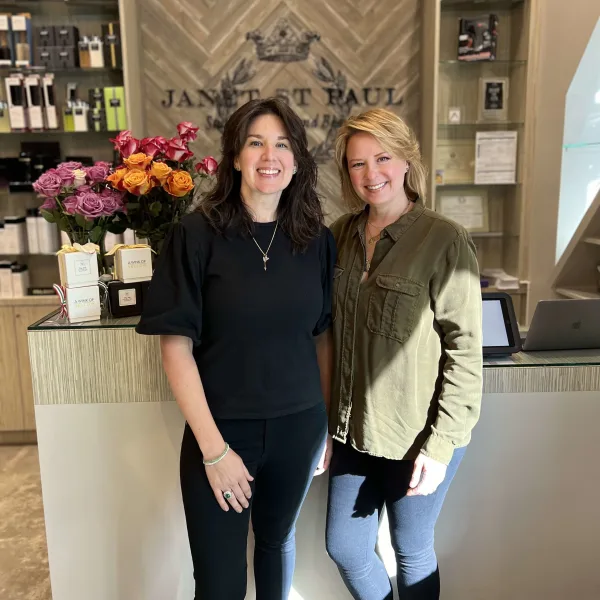
At Janet St. Paul Studio for Hair and Beauty, Director of Operations Natasha McMillen helps bring her wife Janet St. Paul's vision to life, elevating every system from education to operations.
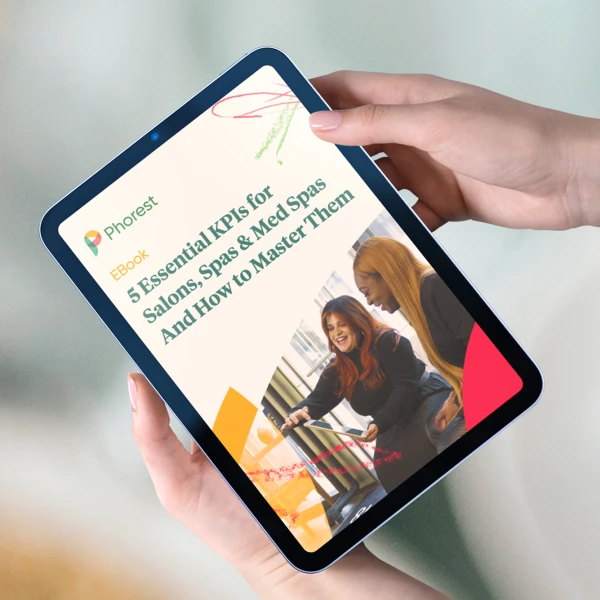
The strongest salons, spas, and med spas know which numbers tell the real story of their business. In this practical guide, Phorest breaks down the five essential KPIs every business should track to improve retention, boost revenue, and make smarter decisions with confidence.
At Bella Style Salon in Slidell, Louisiana, Director of Operations Angela Meyer tackles inventory, team management, and guest relations. Read all about her in our latest Meet the Manager.
Starting at Impressions front desk in 2006 when he was 19 years old, General Manager Paul Petrowsky is a seasoned professional who owner Sarah Taylor says is responsible for much of her own success.
Planning is in full swing for the most anticipated events and promotions for the 2026 holidays. As owners share their favorite ways to celebrate, they prove that a carefully planned event can also build culture, increase client loyalty, boost sales, and set a business up for a successful 2027.
When things run amok at Mane Attraction Salon, Owners Chris and Jenny Knudsen say General Manager Sami Hernandez is their go-to resource and ultimate sounding board. Meet Sami in this installment of Meet the Manager.