The Constant
Starting at Impressions front desk in 2006 when he was 19 years old, General Manager Paul Petrowsky is a seasoned professional who owner Sarah Taylor says is responsible for much of her own success.
As part of her ongoing blog series, Owner's Forum, Karie Bennett, owner of Atelier Salon Spa in San Jose, tackles a reader's question about difficult clients.

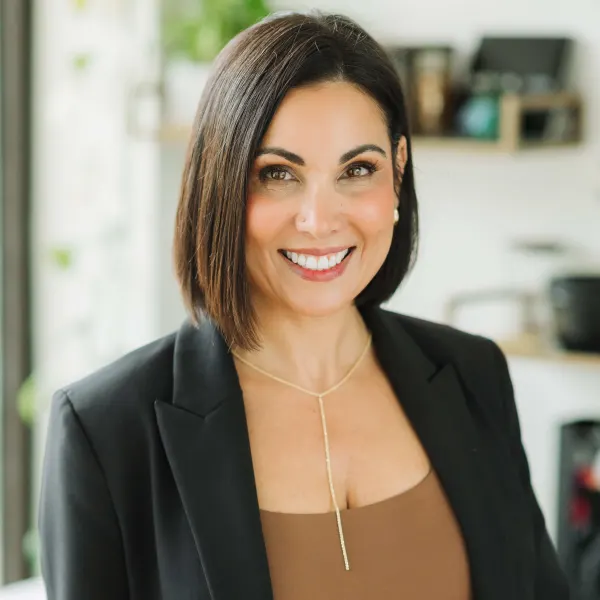
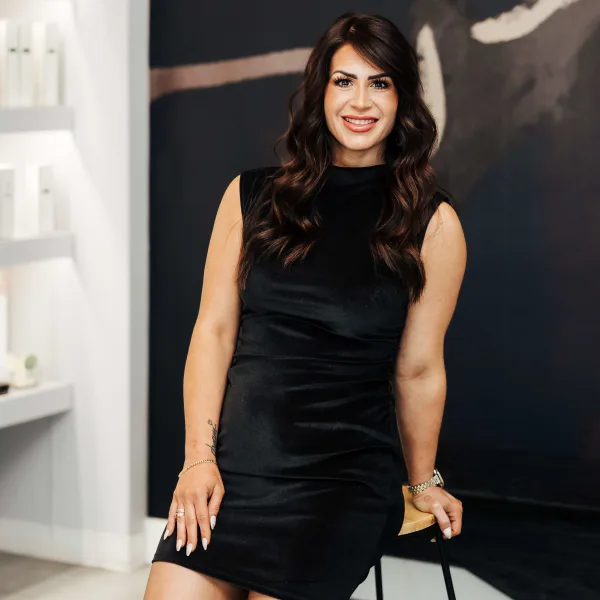
Karie Bennett, stylist, writer and owner of Atelier SalonSpa and Atelier Studio in San Jose, California
As part of her ongoing blog series, Owner's Forum, Karie Bennett, owner of Atelier Salon Spa in San Jose, tackles a reader's question about difficult clients:
Dear Karie: How do you handle a difficult client? Have you ever had to ask someone not to come back and how did that conversation go?
That's an excellent question. Unfortunately, this situation has come up a few times in my 30 years behind the chair, both as an employee and as an owner.
The main reasons a client "break up" becomes necessary are: constant lateness, frequent no-shows, or sexual harassment.
From behind the chair: If a client is constantly late, I let them know that I need to finish on time, to be respectful of my other clients, who may have to pick up children from school, or get back to work. This may mean a dry haircut, or no fabulous blowout after the cut or color. Which isn't a preferable outcome. If the client can't be on time for their reserved appointment, they may try to come in as a walk-in, but since I'm booked out many months ahead, good luck! That usually corrects that behavior.
For clients who cancel at the last minute or no-show more than twice, the salon management will let them know that we can't reserve any more appointments for them without them pre-paying for the time, and not showing up forfeits that pre-pay. Since the salon books my appointments, it's appropriate for this conversation to take place at the reception desk. We let them know that we promise to respect their time, and we hope they will do the same for ours.
It's important that they understand that we're professionals, and this is our business. A clothing store sells shirts and shoes, we sell time and talent. They can't walk out of a store with a shirt and not pay for it, and they can't take our time without compensating us, or we will not let them reserve it in advance.
Once in a great while, you might have a client that is speaking in a very loud voice, using foul language, and generally disrupting the environment for other clients. It's best to address this guest in as soft a voice as possible, and let him or her know that we'd appreciate it if he or she would kindly consider either using G-rated language or a lower volume for her conversation. We would also coach the stylist on lowering her own voice and what to say to this client to nip this situation in the bud.
Any time there is inappropriately sexual or offensive conversation or contact from a client, the appointment stops and the behavior must be addressed immediately.
If your gut tells you it's weird, it probably is. Depending on your personality, anything from "That's not cool with me", to "I'm not comfortable with this conversation", or "Keep your hands to yourself or you're getting half a haircut" works, just know that there is no acceptable level here. You're not being paid to be harassed.
I asked Atelier's General Manager, Aaron Jura, how he handles difficult clients for our salon. He has a great way of connecting with the guest and hearing what their side of the story is before letting them know that we have a zero tolerance for disrespectful behavior from either side. He considers other unacceptable behaviors from either employees or clients to be:
Foul language
Anything that is against the law
Potentially harmful to other clients or employees
Inappropriately and unnecessarily disruptive to the salon
Being physically or verbally abusive towards our employees
Theft
It's important to keep your own emotions out of the conversation. It's a business discussion, and you need to stick to the facts, and see if you can find a solution, or recommend they seek services elsewhere.


Starting at Impressions front desk in 2006 when he was 19 years old, General Manager Paul Petrowsky is a seasoned professional who owner Sarah Taylor says is responsible for much of her own success.

Planning is in full swing for the most anticipated events and promotions for the 2026 holidays. As owners share their favorite ways to celebrate, they prove that a carefully planned event can also build culture, increase client loyalty, boost sales, and set a business up for a successful 2027.

When things run amok at Mane Attraction Salon, Owners Chris and Jenny Knudsen say General Manager Sami Hernandez is their go-to resource and ultimate sounding board. Meet Sami in this installment of Meet the Manager.

Pagoda, a new AI-native operating system for scheduling, payments, patient records, marketing, and client communications, launches at Skinovatio Medical Spa in Arlington Heights, Illinois.

At a panel discussion hosted by L’Oréal Professionnel in Paris in early July, French Philosopher Sophie Galabru explored the cultural shift where women are increasingly choosing natural, personalized color results over traditional grey coverage. In an exclusive interview with SALON TODAY, Galabru and L’Oréal Professionnel Colorist Pierrick Beringer discuss this shift and how salons and colorists respond.

At Salon Blonde, Director of Operations treats the staff as the salon's most important guests, while her wonderful 'nerdy' side, loves data, systems, and numbers. Find out how she makes Salon Blonde tick.

In an exclusive interview with SALON TODAY, Salon Owner Salvatore Minardi reflects on his past 18 months as Intercoiffure America Canada's World Talent Exchange Ambassador and how his experiences will help encourage cultural and artistic exchange and support greater engagement between ICA and the global organization Intercoiffure Mondial.

Everything you need to know about client retention as a salon owner.

Owner Shelby Bills says her general manager, Sydney Osborne, reminds her of the power of leading with heart. Find out how Osborne became a great leader in our lastest installment of Meet the Manager.

In her latest blog, Kati Whitledge identifies the five stages salon owners go through when a team member leaves the salon unethically, offering advice for each stage.

The beauty and wellness businesses pulling ahead aren’t just working harder—they’re using AI to capture demand, personalize pricing, and convert more of every guest interaction into revenue. Here’s what the benchmark data reveals about the growing gap between AI adopters and everyone else.
Sponsored by Zenoti
Stop chasing recruitment ghosts on generic job boards and start curating an elite team. Discover the framework that top-tier salons use to bypass phone tag, automate visual portfolio vetting, and attract high-earning, culture-first beauty professionals directly through real-time messaging. Turn your recruitment process into an exclusive brand invitation that keeps your highest-ticket chairs permanently filled.
Sponsored by Beautista
Your calendar looks full, but is all of that demand actually converting to revenue? From phantom rebookings to underpriced peak hours, the 2026 Benchmark Report exposes five revenue leaks that most beauty and wellness businesses don’t even know they have.
Sponsored by Zenoti

After moving to Colorado and teaching at a cosmetology school, Allison Stock joined Zandi K as a stylist, eventually becoming part of the Leadership Team, Education Team and Master Bridal Team. Today, as Director of Operation, Stock is Owner Nicki Wenz's right hand, managing human resources and operations, education and career development, and coaching and culture.

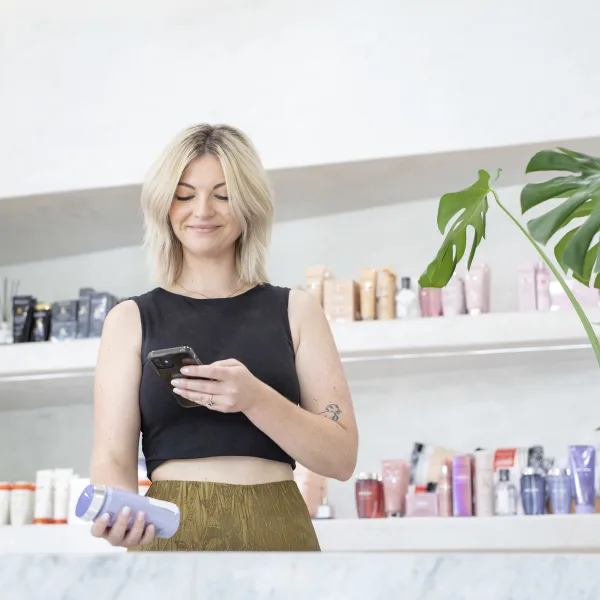
In a world dominated by e-commerce, salon owners push back with proven strategies to increase retail sales while motivating team members to educate their clientele and delighting clients with retail-themed events and clever merchandising displays.

The company's Concealed Bead Method is raising the bar for what professional extension education can deliver.

Scott maximized her micro-salon by transitioning from stylist to strategic owner, focusing on recruiting and station-sharing. By prioritizing her ownership role over behind-the-chair work, she grew her team to six stylists within the two-chair, 150-square-foot space before eventually moving to a larger facility.