The Constant
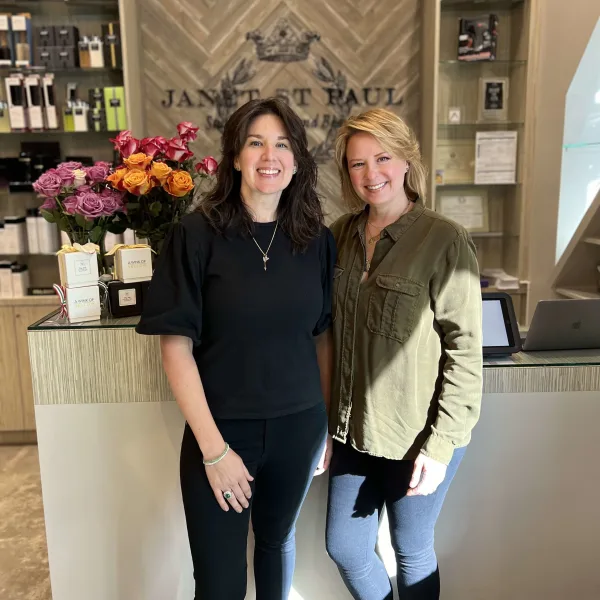
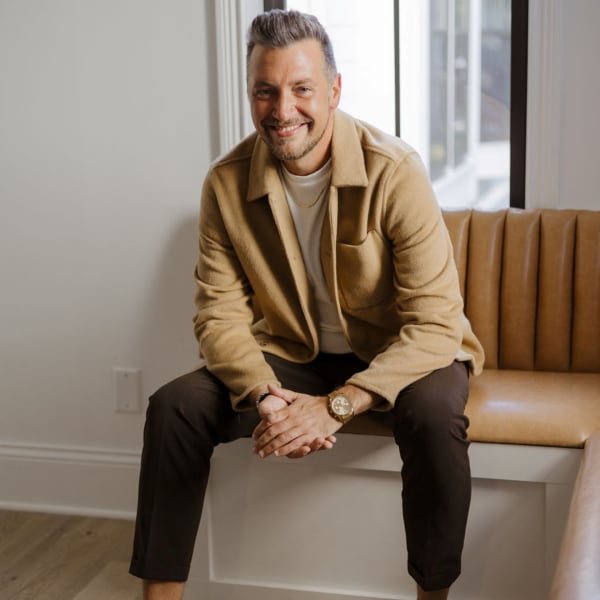
Starting at Impressions front desk in 2006 when he was 19 years old, General Manager Paul Petrowsky is a seasoned professional who owner Sarah Taylor says is responsible for much of her own success.
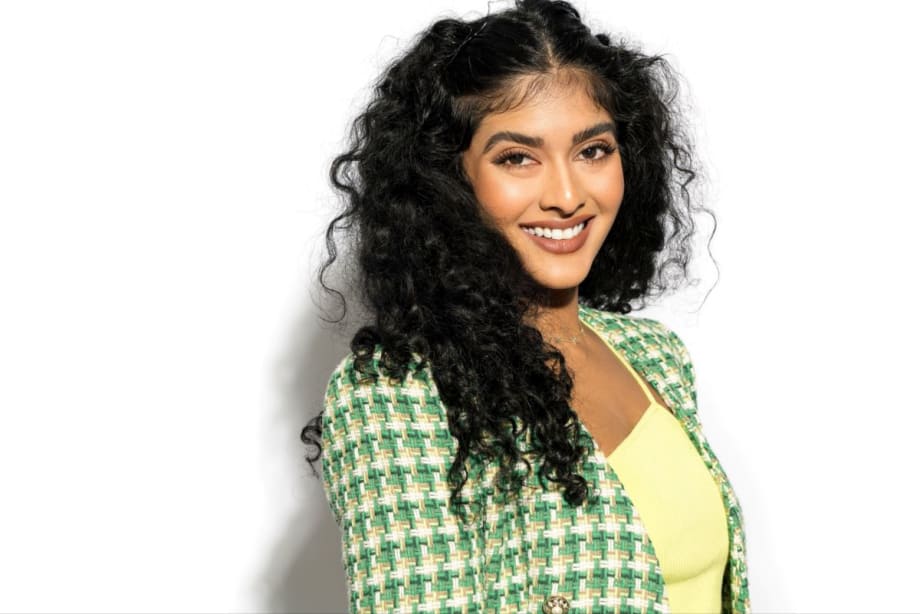
Shanalie Wijesinghe, director of education at Boulevard, outlines the critical steps leaders can take right now to create a better, more inclusive experience for themselves and their teams.

Photo: Boulevard
Managing a salon can sometimes be a lonely experience. The hours can be long, turnover can be rampant, and meaningful relationships with your colleagues can be difficult to forge. It can be easy to feel isolated from the rest of your team, stuck on what I call Manager’s Island.
Fortunately, “can be” doesn’t mean “has to be,” and there’s no reason your current stay on Manager’s Island has to be permanent. Managing a salon will always have its challenges (as does any rewarding career). Feeling lonely or isolated doesn’t have to be one of them.
Before we talk about how to get off Manager’s Island, let’s be clear: this isn’t about relinquishing your duties as a leader. Just the opposite. Leaving Manager’s Island requires you to be an even better leader, a more open, thoughtful, and progressive leader than you’ve ever been before.
Be a mentor rather than a boss. Again, being a mentor doesn’t mean you’re not leading. And it doesn’t mean you’re not looking out for the interests of the business. But it does mean keeping the life and career ambitions of your team members at the forefront of your thought process. It means thinking about their development every bit as much as you think about their performance. And it means being more purposeful and thoughtful about getting to know them not just as team members, but as people. Speaking of which…
Stop asking your colleagues to leave their personal lives at home. If you’re serious about getting off Manager’s Island, drop the “leave your personal life at home” stuff. The person someone is at home is the person they are at work, period. It’s your job as a leader to understand and empathize with the entirety of who someone is, not just who you want them to be during work hours. Start getting to know your colleagues as people from the moment you interview them and never stop.
Empower your team to lead. Consider implementing agendaless meetings. One of the most transformative things you can do as a manager is to ask, “What should we talk about today?” Cover what you simply have to cover but otherwise open the floor. Almost all of the best business minds in our industry started in a supposedly “non-business” role. When you give your team room to create and collaborate, that’s when meaningful relationships grow.
One of the best ways to create the space needed for agendaless meetings is to be proactive about addressing team member concerns in real-time rather than waiting for the next team meeting or 1-on-1. Every time you say, “let’s talk about it in our next meeting,” you’re not only potentially letting frustration linger and spread, but you’re also limiting your ability to be open and flexible with that next meeting’s agenda.
Rethink what it means to be supportive. As leaders, we often fall into two support-related traps. The first is defining what “support” means in a vacuum. What one person needs to feel supported may be different than what another person needs. You don’t get to decide what it means to be supportive. Your employees do. One-size-fits-all support is a one-way ticket to Manager’s Island. Make it a point to ask each team member what they need to feel supported. Hear it directly from them.
The other trap is failing to tend to the support needs of your top performers. We often think about support as a means to prop up those that are struggling. But support isn’t just about performance. It’s about growth, development, and feeling understood. Your top performers need to be seen and heard just the same as anyone else. They also need to be coached and corrected. Never look the other way when you see coachable behavior simply because someone happens to be highly productive despite it. Your other team members will notice you’re not holding that person to the same standard and your culture will suffer for it.
Establish the right hours (for your team). We just talked about making your team feel empowered and supported. Nothing undermines those efforts more than setting a schedule that works for you but that your team hates. If your team feels like you are forcing an unfavorable schedule on them, they’re going to return the favor by making you feel isolated from the group. As with support, the “right” schedule is defined by what is right for your team. Focus on productivity, not hours clocked.
Don’t take technology personally. As a manager, it’s easy to feel like your team is attacking you personally when they say a particular system isn’t working for them. Don’t. One of the fastest ways to get marooned on Manager’s Island is to side with your technology over your team. If everyone on your team is telling you that your booking software is out of date, chances are your booking software is out of date. If everyone is telling you that you need a more seamless way to process payments, chances are you need a more seamless way to process payments. A complaint about a system or process is not a complaint about you personally.
If you’re looking at these steps and thinking, “Sure, that all sounds great, but I’ve got a business to run here,” that’s understandable. Here’s the thing though: escaping from Manager’s Island isn’t just good for your soul (although that alone ought to be benefit enough!), it’s also good for your business.
If there’s one immutable law of salon leadership, it’s that creating a better, more inclusive experience for your teams leads to a healthier business. Engaged employees, less burnout, reduced turnover, better collaboration, more teamwork, a consistent stream of fresh ideas — you name it, it all invariably leads to happier clients and increased revenue, and it’s all right there for the taking.
Time to leave the Island.
Originally posted on Modern Salon

Starting at Impressions front desk in 2006 when he was 19 years old, General Manager Paul Petrowsky is a seasoned professional who owner Sarah Taylor says is responsible for much of her own success.

Planning is in full swing for the most anticipated events and promotions for the 2026 holidays. As owners share their favorite ways to celebrate, they prove that a carefully planned event can also build culture, increase client loyalty, boost sales, and set a business up for a successful 2027.

When things run amok at Mane Attraction Salon, Owners Chris and Jenny Knudsen say General Manager Sami Hernandez is their go-to resource and ultimate sounding board. Meet Sami in this installment of Meet the Manager.


Pagoda, a new AI-native operating system for scheduling, payments, patient records, marketing, and client communications, launches at Skinovatio Medical Spa in Arlington Heights, Illinois.

At a panel discussion hosted by L’Oréal Professionnel in Paris in early July, French Philosopher Sophie Galabru explored the cultural shift where women are increasingly choosing natural, personalized color results over traditional grey coverage. In an exclusive interview with SALON TODAY, Galabru and L’Oréal Professionnel Colorist Pierrick Beringer discuss this shift and how salons and colorists respond.

At Salon Blonde, Director of Operations treats the staff as the salon's most important guests, while her wonderful 'nerdy' side, loves data, systems, and numbers. Find out how she makes Salon Blonde tick.

In an exclusive interview with SALON TODAY, Salon Owner Salvatore Minardi reflects on his past 18 months as Intercoiffure America Canada's World Talent Exchange Ambassador and how his experiences will help encourage cultural and artistic exchange and support greater engagement between ICA and the global organization Intercoiffure Mondial.

Everything you need to know about client retention as a salon owner.

Owner Shelby Bills says her general manager, Sydney Osborne, reminds her of the power of leading with heart. Find out how Osborne became a great leader in our lastest installment of Meet the Manager.

In her latest blog, Kati Whitledge identifies the five stages salon owners go through when a team member leaves the salon unethically, offering advice for each stage.

The beauty and wellness businesses pulling ahead aren’t just working harder—they’re using AI to capture demand, personalize pricing, and convert more of every guest interaction into revenue. Here’s what the benchmark data reveals about the growing gap between AI adopters and everyone else.
Sponsored by Zenoti
Stop chasing recruitment ghosts on generic job boards and start curating an elite team. Discover the framework that top-tier salons use to bypass phone tag, automate visual portfolio vetting, and attract high-earning, culture-first beauty professionals directly through real-time messaging. Turn your recruitment process into an exclusive brand invitation that keeps your highest-ticket chairs permanently filled.
Sponsored by Beautista
Your calendar looks full, but is all of that demand actually converting to revenue? From phantom rebookings to underpriced peak hours, the 2026 Benchmark Report exposes five revenue leaks that most beauty and wellness businesses don’t even know they have.
Sponsored by Zenoti

After moving to Colorado and teaching at a cosmetology school, Allison Stock joined Zandi K as a stylist, eventually becoming part of the Leadership Team, Education Team and Master Bridal Team. Today, as Director of Operation, Stock is Owner Nicki Wenz's right hand, managing human resources and operations, education and career development, and coaching and culture.

In a world dominated by e-commerce, salon owners push back with proven strategies to increase retail sales while motivating team members to educate their clientele and delighting clients with retail-themed events and clever merchandising displays.

The company's Concealed Bead Method is raising the bar for what professional extension education can deliver.

Scott maximized her micro-salon by transitioning from stylist to strategic owner, focusing on recruiting and station-sharing. By prioritizing her ownership role over behind-the-chair work, she grew her team to six stylists within the two-chair, 150-square-foot space before eventually moving to a larger facility.