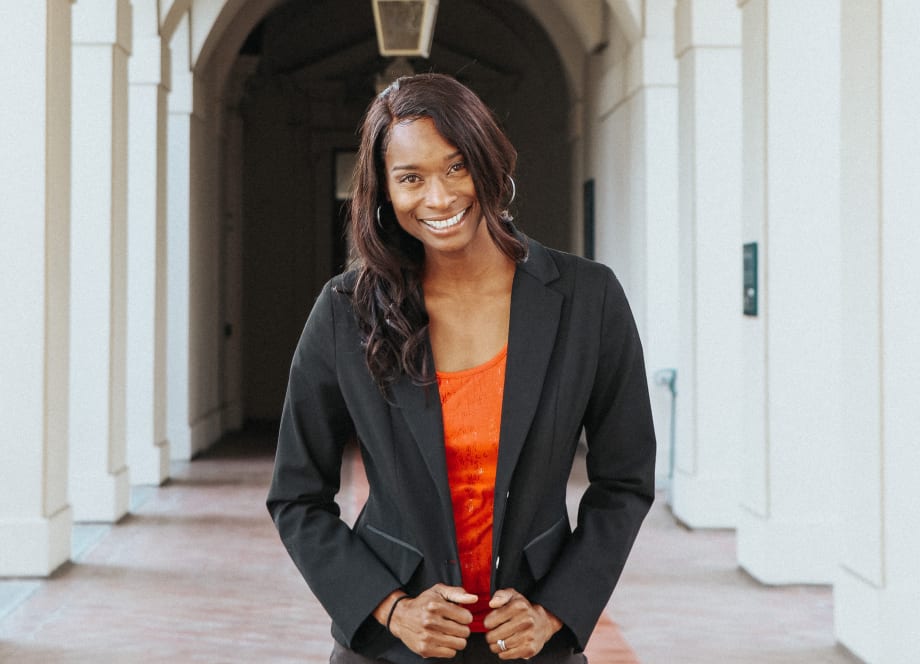
Before Genein Letford takes the stage at Serious Business 2022, she chatted with SALON TODAY about how owners can help their team members shift their perspectives and open up their creativity.
Sometimes a profession is so unique, you need to coin your own job title. That’s what Genein Letford, who has a background in elementary education, did when she began coaching corporations in intercultural creativity. But she’s also redefining the term.
“The World Economic Forum listed creativity as the number one skill needed in the workforce,” says Letford. “Most people think of creativity as artistry, but I’m bringing forth a new definition of creativity as the process of problem-finding and problem-solving with relevance, value and novelty. While people think of culture as ethnic or national culture, I’m defining culture as a group of people with defined values, beliefs and systems.”
Ad Loading...
Before Letford takes the stage as a keynote speaker at Serious Business 2022 in New Orleans in January, she graciously tackled some questions from SALON TODAY’s Stacey Soble:
ST:How can intercultural creativity drive a salon business toward change?
Letford: Salons and people in the beauty field are very creative because you are producing new ideas that result in new styles and new trends. But when I think about intercultural creativity in the salon world, how do we take a step back and look at our field through a new lens? Last year was a doozy of a year and people are reinventing themselves. So how does the beauty industry come into alignment with that and use their expertise to help clients reinvent their new selves?
ST: What is the salon owner’s role in clearing the field of bias and opening it up for creativity?
Letford: The beauty of my work is it’s all based on neuroscience, psychology and education. I want people to understand what is going on in their brain when they are coming into groups and redefining themselves. If you are human and you have a brain, you have bias. A bias, particularly a negative one, can block our thinking and other ways of seeing things. The salons that will push the envelope will be led by owners who purposefully put themselves maybe in uncomfortable situations that are new, but they are there to learn and be curious.
Ad Loading...
I talk about that in my 7 Gems of Intercultural Creativity, where I lay out the fundamental cognitive skills that people need to embrace for the new era. The demographics are changing, and as they do, the needs will be changing, and the styles and trends will change as well. Owners who are aware of intercultural creative aspects will be on the forefront.
ST: Can you share one of the exercises you do in your workshops around one of the 7 Gems?
Letford: I sat down with Mitch Cohen, the author of the Self-Made Billionaire Effect, and he studied 20 billionaires looking for traits of common thinking and the first shared trait they found was empathetic imagination, so I am really big on imagination training. One exercise I do is attached to the idea of bias—I have people close their eyes and imagine they are going into a house, but I give them different roles. For the people in the class who are born in the first six months of the year, they are going through the house as a prospective buyer, and for those born in the last six months, they are going through as a burglar. It really shows how difference perspectives can change the way you view something.”
ST: How can an owner help an employee shift their perspective?
Letford: Shifting your perspective is a skill, and it can be developed. The first step is seeing if people are even open to this type of development. There is an assessment that my company gives called the Intercultural Development Inventory, and it assesses where your intercultural competent orientation is. The main thing is to not penalize people for where they are, but know that if they get the training and do the work they can grow. There are some people who got great exposure in their formative years for creative thinking and intercultural competence—they were around people with different experiences, they may have traveled, they may have been put in experiences where they had to take some risk. Some people had that growing up, and others not so much. Being mindful and aware of that is the first step, then slowly adding more opportunities that give them new experiences. Like going to conferences both in their field and out of it or going on ethnic excursions where you experience different food, languages and customs.
Ad Loading...
ST: How can you drive your team to be more creative?
Letford: The thing about creativity is it’s the crazy, audacious ideas that are the ones that start to roll the ball toward creative ideas you can implement. We have to give ourselves the freedom to really think big and crazy. The street term is ‘mash-up,’ like how do you mash ideas? So how would you mashup food and a hair do. There are TV shows that are like that and they are really fun, but it’s also a catalyst that starts those fun creative ideas that can really work you into something that can be implementable.
Give your employees time to think, that is a huge one. When they are daydreaming, don’t think they are just wasting time, their innovation networks (in their brain) are actually turned on.
I’m a huge advocate for the Arts. Adam Grant is an organizational psychologist who looked at the top Nobel Prize winners in science and about 80 percent had a huge background in the Arts. The reason the Arts are so critical is it hones your observational skills, it hones your skills for perspective shifting and it hones your skill for pattern recognition and pattern thinking. George Washington Carver who was a great adventurer and botanist, he was also a great musician and painter. So, I tell people to take a dance class or take an art class, the body is an instrument of thought. Yes, it’s fun, but you also are training your brain to see things that other people are missing.
Editor's Note:Serious Business will be held in New Orleans, January 16 and 17. To learn more about the speakers and to purchase tickets, visit seriousbusiness.net.
Discover how to create a true “WOW experience” for every client by first building a culture where your team feels engaged, empowered, and inspired. Drawing on Calvin Stovall’s Iconic Framework, this blog explores how salon, spa, and clinic leaders can strengthen culture, elevate customer experience, and build a business that stands out for the long term.
The wellness industry is growing fast, and salons and barbershops already are an important part of it. In her first blog, Tracy Rado shares where the wellness dollars are heading, and how salon's can grow with this movement.
While salon sales are increasing, owners often feel they're working harder for the same or less profit. Leverage Q2 data from The KIM Report, Alain Audet reveals some of the structural changes that are dampening your growth and why your region and your salon size matters.
Weaknesses in your business are amplified during the Holiday Season. Spark Pro Global's Lucy Randall shows you five things to do now to have the strongest holiday season yet.
In Kati Whitledge's latest blog, she shares how salons have moved away from dress codes and embraced appearance standards. But by removing strict dress codes, some businesses may have unintentionally lowered their appearance standards. Whitledge helps you explain to your team why an appearance standard is important and how to smoothly implement a new appearance policy.
The Small Business Health Care Tax Credit is a non-refundable tax credit for for-profit businesses that provides a financial incentive for eligible employers who offer health insurance coverage to their employees. Leticia Skrabut, Esq., walks you through how to claim that credit.
Developing strong work habits early in one's career supports long-term success in the salon industry. Jesse Linares offers new stylists his top five tips.
Most salon owners have no idea what these numbers are.
You can hit record sales and still have a profit problem. The difference comes down to four numbers almost nobody was taught to track.
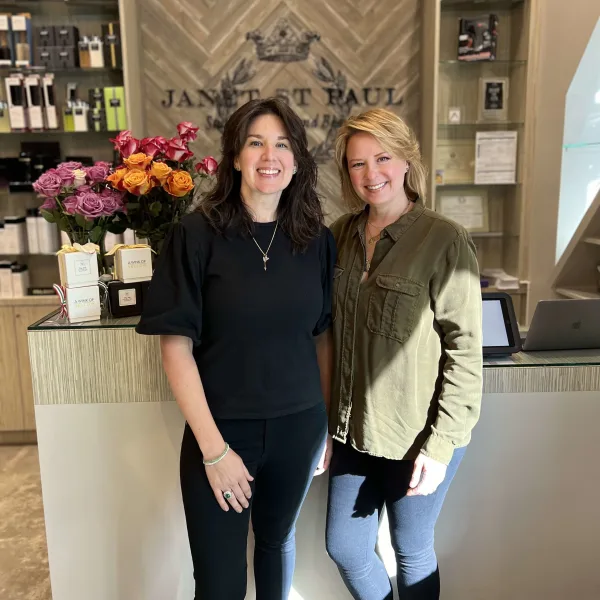
At Janet St. Paul Studio for Hair and Beauty, Director of Operations Natasha McMillen helps bring her wife Janet St. Paul's vision to life, elevating every system from education to operations.
The strongest salons, spas, and med spas know which numbers tell the real story of their business. In this practical guide, Phorest breaks down the five essential KPIs every business should track to improve retention, boost revenue, and make smarter decisions with confidence.
At Bella Style Salon in Slidell, Louisiana, Director of Operations Angela Meyer tackles inventory, team management, and guest relations. Read all about her in our latest Meet the Manager.
Starting at Impressions front desk in 2006 when he was 19 years old, General Manager Paul Petrowsky is a seasoned professional who owner Sarah Taylor says is responsible for much of her own success.
Planning is in full swing for the most anticipated events and promotions for the 2026 holidays. As owners share their favorite ways to celebrate, they prove that a carefully planned event can also build culture, increase client loyalty, boost sales, and set a business up for a successful 2027.
When things run amok at Mane Attraction Salon, Owners Chris and Jenny Knudsen say General Manager Sami Hernandez is their go-to resource and ultimate sounding board. Meet Sami in this installment of Meet the Manager.