A fascinating new study shows when a governor tweets about the pandemic, it can have a significant impact on the revenue the state's salons bring in. Check it out!
by Staff
November 13, 2020
3 min to read
In a world where state governments monitor COVID-19 counts and make determinations about which businesses can stay open and operational, everyone is closely monitoring the news.
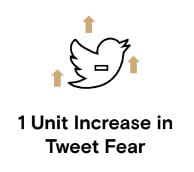
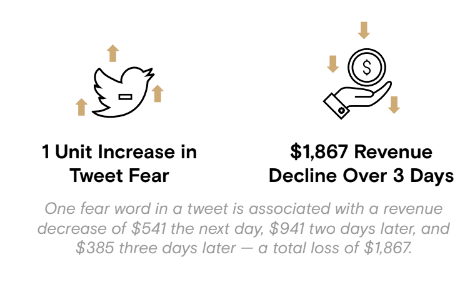
Boulevard, a business platform that powers salons and spas, recently shared some of its findings from a fascinating study about to be published about the impact of a governor's COVID-19 Tweets on the salon industry. The research found that when a governor's Tweet includes fear-inducing words, such as "virus," "COVID," or "pandemic," there is a direct loss to the resective state's salon revenue.
Ad Loading...
"As a business management platform made specifically for salons and spas, Boulevard is unique in reporting on this impact firsthand. Our analysis focuses on the salon industry because it’s our area of expertise, and we have seen the industry struggle in the wake of the COVID-19 pandemic first-hand," says Matt Dana, CEO and founder of Boulevard.
For an industry built around close physial interactions, the pandemic has been particularly devastating to salon owners. Salons tend to operate on tight margins, even when schedules are full. Presently, many salons contend with reduced capacities to ensure they operate within current best practices.
Notably, a single gubernatorial fear word is directly related to $1,600 decline in a state's total salon revenue--the impact is at its greatest two days after the Tweet. The average number of fear words during a five-week period was 39, which means the average loss of revenue due to a governor fear word Tweets could exceed $50,000 during a five-week period for a state.
If you look at that number over the course of a year, which is not unreasonable given where we are at with the pandemic, fear word Tweets by governors reflect a potential loss of more than $1.6 million to that state's economy.
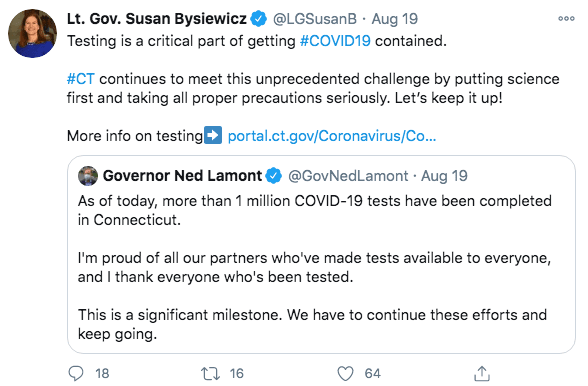
An example of a Tweet from the governor and lt. governor of Connecticut.
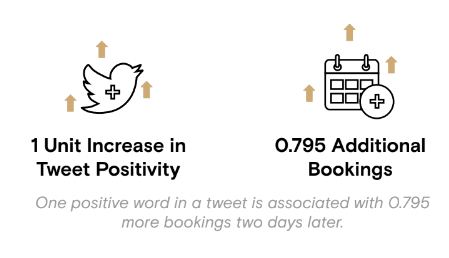
To calculate the impact, Boulevard took all Tweets by all governors where the company had customers and measured fear as the sum of all fear-related worlds (according to the NRC lexicon). The company only looked at Tweets containing as least one of the following words: virus, COVID, coronavirus, pandemic. and measured positivitiy as the sum of all postive words less the sum of all negative words (according to the Bing lexicon).
Ad Loading...
Bottomline Findinds of Tweet/Case Count Analysis:
State daily new case numbers negatively impocat both revenue and unique visitors at Boulevard salons/locations.
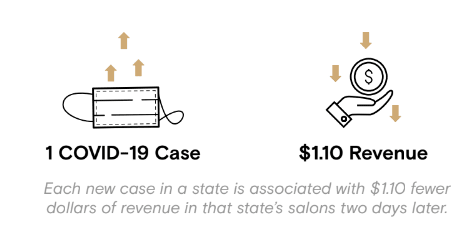
The biggest effect comes from case counts two days prior--one new case in a state is associated with $1,21 less dollars of revenue two days later (this is economically and statistically significant).
For states with large swings in case numbers (CA,NY), this means that 1,000 new cases is associated with a decrease in revenue of $1,210
One interpretation--customers digest case counts when planning outings.
"While our society and businesses recover, we must continue to make choices that balance growth with safety. Fear is an essential emotion designed to keep us safe, but leaders should leverage it discerningly," Dana concludes. "The same is true of optimism. This data underscores the importance of using one’s platform to promote public wellbeing.”
Discover how to create a true “WOW experience” for every client by first building a culture where your team feels engaged, empowered, and inspired. Drawing on Calvin Stovall’s Iconic Framework, this blog explores how salon, spa, and clinic leaders can strengthen culture, elevate customer experience, and build a business that stands out for the long term.
The wellness industry is growing fast, and salons and barbershops already are an important part of it. In her first blog, Tracy Rado shares where the wellness dollars are heading, and how salon's can grow with this movement.
While salon sales are increasing, owners often feel they're working harder for the same or less profit. Leverage Q2 data from The KIM Report, Alain Audet reveals some of the structural changes that are dampening your growth and why your region and your salon size matters.
Weaknesses in your business are amplified during the Holiday Season. Spark Pro Global's Lucy Randall shows you five things to do now to have the strongest holiday season yet.
In Kati Whitledge's latest blog, she shares how salons have moved away from dress codes and embraced appearance standards. But by removing strict dress codes, some businesses may have unintentionally lowered their appearance standards. Whitledge helps you explain to your team why an appearance standard is important and how to smoothly implement a new appearance policy.
The Small Business Health Care Tax Credit is a non-refundable tax credit for for-profit businesses that provides a financial incentive for eligible employers who offer health insurance coverage to their employees. Leticia Skrabut, Esq., walks you through how to claim that credit.
Developing strong work habits early in one's career supports long-term success in the salon industry. Jesse Linares offers new stylists his top five tips.
Most salon owners have no idea what these numbers are.
You can hit record sales and still have a profit problem. The difference comes down to four numbers almost nobody was taught to track.
At Janet St. Paul Studio for Hair and Beauty, Director of Operations Natasha McMillen helps bring her wife Janet St. Paul's vision to life, elevating every system from education to operations.
The strongest salons, spas, and med spas know which numbers tell the real story of their business. In this practical guide, Phorest breaks down the five essential KPIs every business should track to improve retention, boost revenue, and make smarter decisions with confidence.
At Bella Style Salon in Slidell, Louisiana, Director of Operations Angela Meyer tackles inventory, team management, and guest relations. Read all about her in our latest Meet the Manager.
Starting at Impressions front desk in 2006 when he was 19 years old, General Manager Paul Petrowsky is a seasoned professional who owner Sarah Taylor says is responsible for much of her own success.
Planning is in full swing for the most anticipated events and promotions for the 2026 holidays. As owners share their favorite ways to celebrate, they prove that a carefully planned event can also build culture, increase client loyalty, boost sales, and set a business up for a successful 2027.
When things run amok at Mane Attraction Salon, Owners Chris and Jenny Knudsen say General Manager Sami Hernandez is their go-to resource and ultimate sounding board. Meet Sami in this installment of Meet the Manager.