Male clientele have had a growingly keen eye for how they want their hair to look. Because of that, they’re more willing to experiment with their cuts, invest in products and services and become regulars in your chair. It doesn’t sound hyperbolic to be certain that the men’s grooming boom is here to stay—but, it hasn’t always been that way. Paul Wilson, American Crew Global Artistic Director, talks men’s grooming history, trends and the everlasting importance of education.
As American Crew celebrates its 25th birthday, how has men’s grooming changed in the past 25 years?
When American Crew started, there was nothing happening for men’s hair. I wasn’t taught how to cut men’s hair. Maybe we were taught how to put a guard attachment on a clipper, but there was really no conversation about it beyond that. Now, there’s a whole philosophy and a whole language for dealing with men in the salon. In some way, I feel like Crew deserves a vast majority of the credit in so much of that because Crew started that. By bringing such education and attention to the craft and to the art form of cutting men’s hair, it spawned the whole barber movement—that’s been the most amazing thing to see.
What trends are you seeing in men’s grooming?
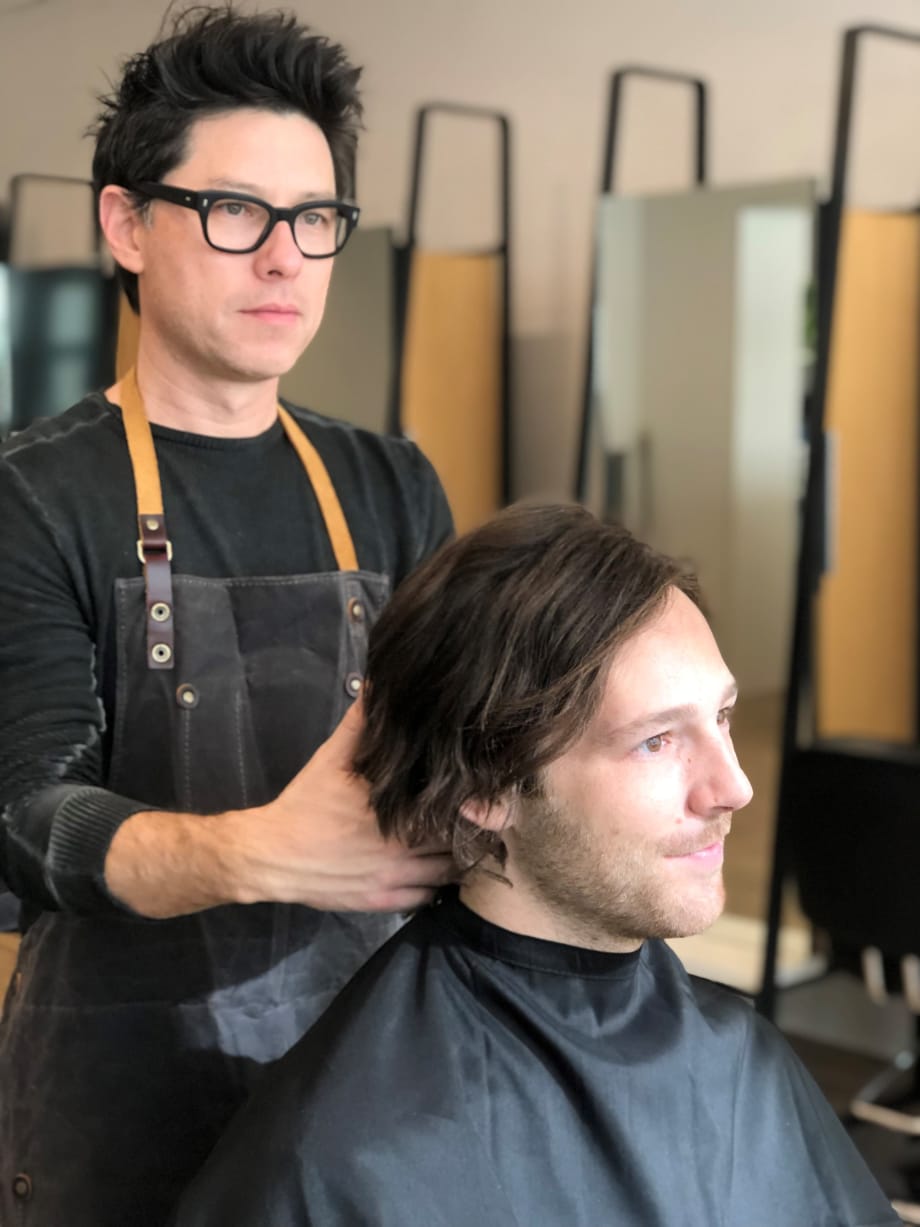
The direction of men’s hair is really broadening. Now, we’re going to start seeing some really cool silhouettes come into it, some length, which is going to require all of us to delve into our abilities and tools—we’re going to be using the razor more, we’re really going to be working with secondary shape and making the haircut come to life with that detail work.
What is the best way to create shape in a men’s cut?
When using a clipper specifically, we work in vertical panels. It’s best to start on the side and get your first design panel set in for your own purpose in knowing what to do for the silhouette of the shape and how graduated or not graduated it’s going to be, how much scalp exposure you’re going to have, and to ensure you and your client are on the same page. So if you can get that first design panel really locked in, you can have that conversation with your client and then really fly through the rest of that shape.
What is the difference between clipper-over-comb and using a guard and fading out the shape?
With clipper-over-comb, you can work in vertical panels to rough in the shape. Then, you can go in with your clipper and build in the freehand work, which will create the more extreme elements of the taper, like scalp exposure, and really detailing the taper itself. The difference is the ability to be creative.
As male clientele’s demand for longer cuts and styles increases, how can salon professionals hone in on the trend to find the both success with their skills and business?
Education is really important. Education has really been the lifeblood of the brand [American Crew]. With this trend, it’s really important to be able to have conversations with your male clientele about how their hair will grow out, what the shape will look like, how he is going to style it. All men’s education is flowing out of the American Crew academy in Chicago; the schedule can be found at americancrew.com.