A new program helps spread the environmental message to consumers through mirror talkers. See how you can help.
by Staff
March 28, 2023
4 min to read
There's a lot to worry about these days--the climate crisis, mounting energy bills and of course, the state of our hair. But hairdressers are coming to the rescue with tips to help their clients manage their tresses and tend to the environment.
For the last ten years, The ecohair and beauty project run by the University of Southampton have been working with industry organizations such as Green Salon Collective, Habia and VTCT to embed sustainable practices across the hair dressing sector and develop free resources for hairdressers. These include a fun, free virtual salon sustainable hairdressing training tool which takes 30-45 mins. Once completed, you can get a free sustainable stylist certificate. Once stylists are certified, salons can self-certify for a free sustainable salon certificate.
Ad Loading...
It has been estimated that a typical salon that adopted their suggestions would save over $6,500 year, save 24150 kWh energy and 76,000 gallons of water! Also salons that achieve the sustainable salon certification are listed on https://ecohairandbeauty.com/salon-locator/ and promoted via social media.
The key reason hairdressers have been singled out is the importance they hold in affecting the hair-care practices of their clients. Hairdressers probably talk to more people as part of their job than any other profession and so are perfectly placed to pass on advice (such as shampooing less often, and just once, rather than rinse and repeat, reducing blow drying time) that is good for hair, good for bills, and good for the planet. In a previous project with the University of Southampton, a survey of nearly 800 customers established that most customers value being given this kind of advice, and that it affects their hair care practices at home.
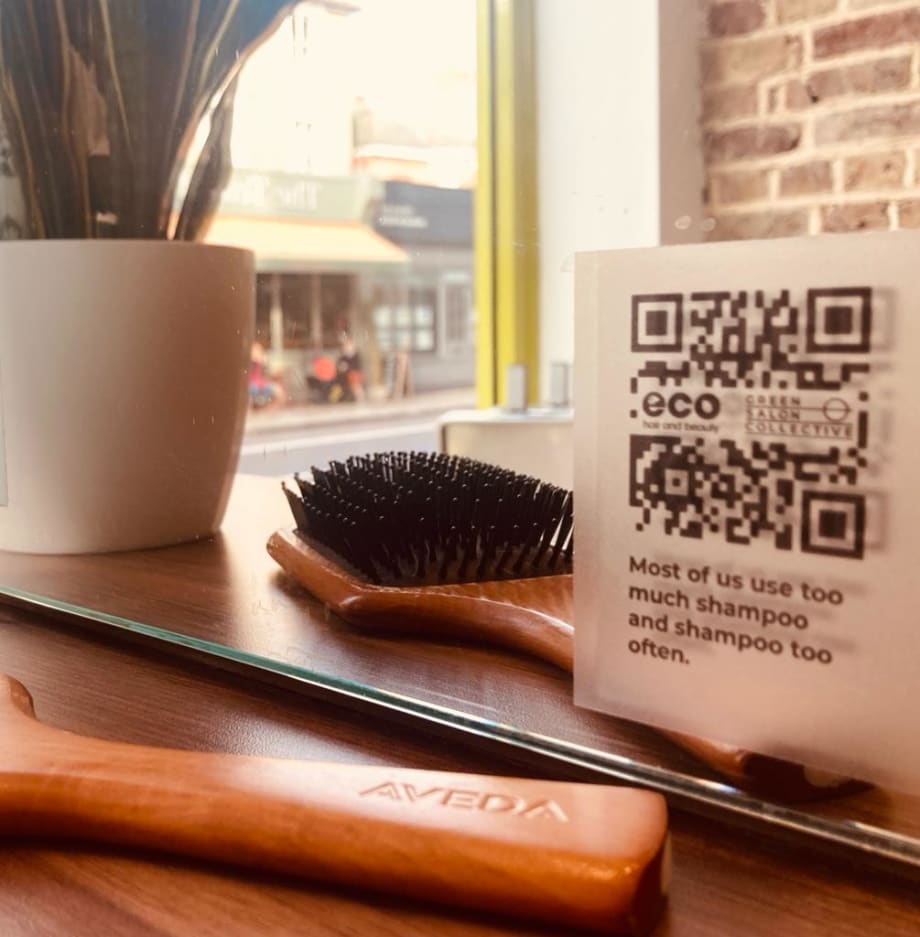
This led to a joint project between Green Salon Collective and ecohairandbeauty.com to develop Mirror Talkers - eco-tips on mirrors - as a way for hair stylists to share sustainable hairdressing tips with their clients. This 3 minute video captures the key points of the pilot where 30 salons experimented with Mirror Talkers and reported back. You can see the full report here.
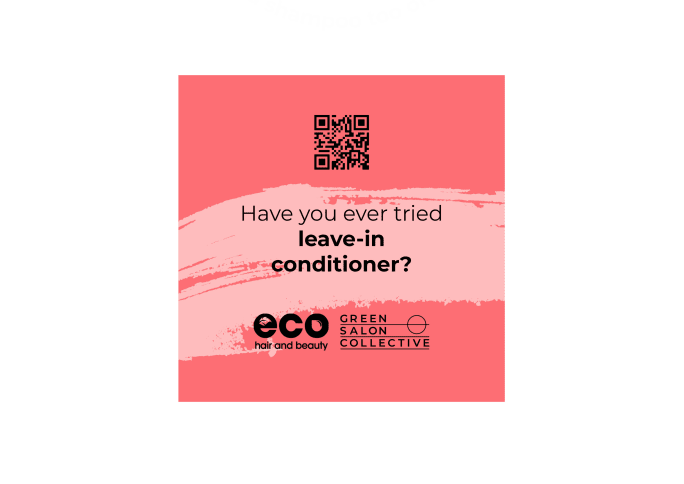
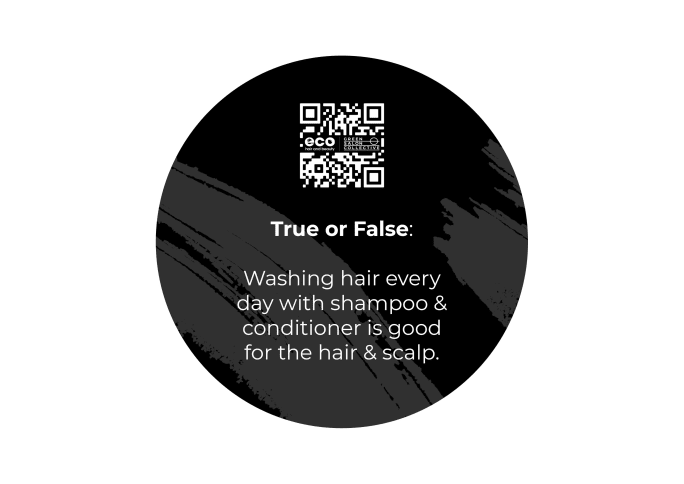
Each tip accompanies a QR code where consumers can find out more information. For example, few know that they can save way more money by turning the hot tap off than the lights off. This leads onto other tips such as trying ‘leave-in conditioner’ which saves hot water, and shampooing less/using less shampoo which is also better for hair condition in most instances.
Ad Loading...
The website also hosts numerous short training videos and role-playing videos to help stylists gain confidence is using the mirror talkers and engaging in these conversations. For example, whether clients are worried about their hair condition, lack of time, lack of money or the planet, there’s a way in to share how using less hot water is a win-win for the planet, our skin and hair and our bills, as illustrated by quotes from clients and stylists in the pilot study:“It’s a great idea them being on mirrors … they are looking at that even if they’re sitting there talking to you and having a cut and a blow dry.”
Professor Denise Baden who started the Ecohair project was amazed at how keen hairdressers have been to get engaged. “Hairdressers are a caring profession and have embraced the opportunity to show that they can be part of the solution to the challenges of sustainable development and water shortages, not part of the problem."
The pilot Mirror Talker project is complete, and now we’re keen to spread the word about how simple changes to our haircare routines can save money, time and the planet and leave us with great hair.
The free Virtual Salon sustainable hairdressing tool is here and is perfect for your stylists to complete to gain a free sustainable stylist certificate, or for training colleges to use with their students.
Find out how salons to gain a free sustainable salon certificate here.
Check out the Green Salon Collective’s circular economy approach to minimize waste here.
Finally please share details of the Mirror Talker project and our promo video across your networks.
Are one of your traditional, handed-down salon management practices actually breaking the law. The pros from Paragon HR Consulting walk you through seven common Human Resources mistakes that could land you in hot water.
All beauty professionals should know how to identify when a client may need some health guidance. Tracy Rado discusses some common questions that clients ask in the chair, how to advise them, and when to refer them to a specialist.
From managing air traffic on busy days to handling frustrated guests' complaints, your front desk team often serves as the salon's emotional shock absorber. From a customer service lesson from the DMV to a list of strategies for caring for your front line, our experts offer ideas for alleviating stress, celebrating wins, and setting goals.
According to the KIM Report, top-line salon revenue appears steady or slightly up, but that growth is driven primarily by service price increases. Beneath the surface, retail performance and client visit frequency (appointment drift) are under real pressure. In his latest blog, Alain Audet offers strategies for keeping your salon's retail sales strong.
Putting your family to work in the salon offers some real tax benefits, but you have you have to play by the rules of the tax code to claim them. Azarvand Tax Law's Leticia Skrabut, Esq., shows you how.
Discover how to create a true “WOW experience” for every client by first building a culture where your team feels engaged, empowered, and inspired. Drawing on Calvin Stovall’s Iconic Framework, this blog explores how salon, spa, and clinic leaders can strengthen culture, elevate customer experience, and build a business that stands out for the long term.
The wellness industry is growing fast, and salons and barbershops already are an important part of it. In her first blog, Tracy Rado shares where the wellness dollars are heading, and how salons can grow with this movement.
While salon sales are increasing, owners often feel they're working harder for the same or less profit. Leverage Q2 data from The KIM Report, Alain Audet reveals some of the structural changes that are dampening your growth and why your region and your salon size matters.
Weaknesses in your business are amplified during the Holiday Season. Spark Pro Global's Lucy Randall shows you five things to do now to have the strongest holiday season yet.
In Kati Whitledge's latest blog, she shares how salons have moved away from dress codes and embraced appearance standards. But by removing strict dress codes, some businesses may have unintentionally lowered their appearance standards. Whitledge helps you explain to your team why an appearance standard is important and how to smoothly implement a new appearance policy.
The Small Business Health Care Tax Credit is a non-refundable tax credit for for-profit businesses that provides a financial incentive for eligible employers who offer health insurance coverage to their employees. Leticia Skrabut, Esq., walks you through how to claim that credit.
Developing strong work habits early in one's career supports long-term success in the salon industry. Jesse Linares offers new stylists his top five tips.
Most salon owners have no idea what these numbers are.
You can hit record sales and still have a profit problem. The difference comes down to four numbers almost nobody was taught to track.