When it comes to clean beauty products, experts caution to beware of 'greenwashing' and to do your own research to determine what is in your products and how they are made. Innersense Organic Beauty's Greg Starkman points you to credible resources and talks about why this is a valuable market to tap into.
Today's consumers are aligning their dollars with their values, and are willing to pay more for clean products.
3 min to read
Greg Starkman, founder and CEO of Innersense Organic Beauty.
As both professionals and consumers seek clean and organic beauty products, they are seeking more information about what is in their products and how they are made. But they need the ability to read through the marketing claims to make sure they are really getting what they are expecting to get.
In this frank Q&A, Greg Starkman, founder and CEO of Innersense Organic Beauty, helps owners and stylists on the right path to credible information:
Ad Loading...
SALON TODAY: With all the different retail claims, it can be very difficult for both consumers and professionals to understand what’s in a line. What are the differences between natural, organic, green, clean and now blue beauty products?
Starkman: Many of these terms are highly subjective, with no established cosmetic standards or certifications. The lack of regulation allows brands to make marketing claims that sound good but are often vague with no real evidence backing them. This leaves professionals and consumers to decipher claims and labels for themselves. Fortunately, we are seeing professionals and consumers self-educating to cut through the confusion of so-called “clean” and “green-washing”. Both professionals and consumers are demanding transparency on ingredient safety, as well as claims of sustainability and blue beauty. Rather than sifting through these vague terms, it’s best to look for well known certifications for sustainability. Innersense is committed to being Plastic Neutral through RePurpose, Carbon Neutral through Climate Neutral, and we are a 1% for the Planet Partner. We provide transparent access to our ingredient information through Clear for Me and Think Dirty, and list our Certified Organic Ingredients on our bottles and website.
ST: Who is the typical client who seeks these products and is that population growing?
Starkman: We’ve seen the clean beauty market grow dramatically over the last 3 years, and especially since the start of the pandemic, as professionals and consumers become more educated about the products they use. We’re seeing this change driven by younger generations who tend to prefer natural, organic and sustainable personal products but the shift is happening across all age groups and demographics as information becomes more readily available.
As your clients become more educated about the products they use, the clean beauty market has grown dramatically over the past three years.
ST: What are some of the ingredients that professionals and consumers want to avoid?
Ad Loading...
Starkman: The buzz words of “Sulfate, Silicone and Paraben Free” or even “Vegan” give the false impression that a product is natural, clean and safe. The laundry list of compromising ingredients that are suspect and known hormone-disruptors is long. We always recommend beauty professionals and consumers go to SafeCosmetics.org to get self-educated on the ingredients to avoid in personal care products. This organization is part of the Breast Cancer Prevention Partners and a leading advocate in safe cosmetic legislation.
ST: How can carrying an organic/green/clean product line create a marketing point of difference for a salon? Can it attract a new demographic of client?
Starkman: We’re seeing a shift where consumers are aligning their dollars with their values and opting to purchase from brands that are clean, safe and sustainable. By choosing to carry a Clean line, you’re not only meeting the clients needs but also creating a safer environment for the stylist. These consumers are educated and willing to spend more on brands and services they trust and tend to be more loyal than the average client.
ST: With all the greenwashing going on, how can you verify a product is what it states?
Starkman: “Green”, “Clean” and now “Blue-washing” is on the rise as brands look to capture market share as consumers become more concerned with sustainability. With no governing laws and limited standards, it’s up to both professionals and consumers to unpack claims, ask questions. In order to decipher these claims, it’s best to look for well known certifications for sustainability rather than a brand’s own labeling.
Discover how to create a true “WOW experience” for every client by first building a culture where your team feels engaged, empowered, and inspired. Drawing on Calvin Stovall’s Iconic Framework, this blog explores how salon, spa, and clinic leaders can strengthen culture, elevate customer experience, and build a business that stands out for the long term.
The wellness industry is growing fast, and salons and barbershops already are an important part of it. In her first blog, Tracy Rado shares where the wellness dollars are heading, and how salon's can grow with this movement.
While salon sales are increasing, owners often feel they're working harder for the same or less profit. Leverage Q2 data from The KIM Report, Alain Audet reveals some of the structural changes that are dampening your growth and why your region and your salon size matters.
Weaknesses in your business are amplified during the Holiday Season. Spark Pro Global's Lucy Randall shows you five things to do now to have the strongest holiday season yet.
In Kati Whitledge's latest blog, she shares how salons have moved away from dress codes and embraced appearance standards. But by removing strict dress codes, some businesses may have unintentionally lowered their appearance standards. Whitledge helps you explain to your team why an appearance standard is important and how to smoothly implement a new appearance policy.
The Small Business Health Care Tax Credit is a non-refundable tax credit for for-profit businesses that provides a financial incentive for eligible employers who offer health insurance coverage to their employees. Leticia Skrabut, Esq., walks you through how to claim that credit.
Developing strong work habits early in one's career supports long-term success in the salon industry. Jesse Linares offers new stylists his top five tips.
Most salon owners have no idea what these numbers are.
You can hit record sales and still have a profit problem. The difference comes down to four numbers almost nobody was taught to track.
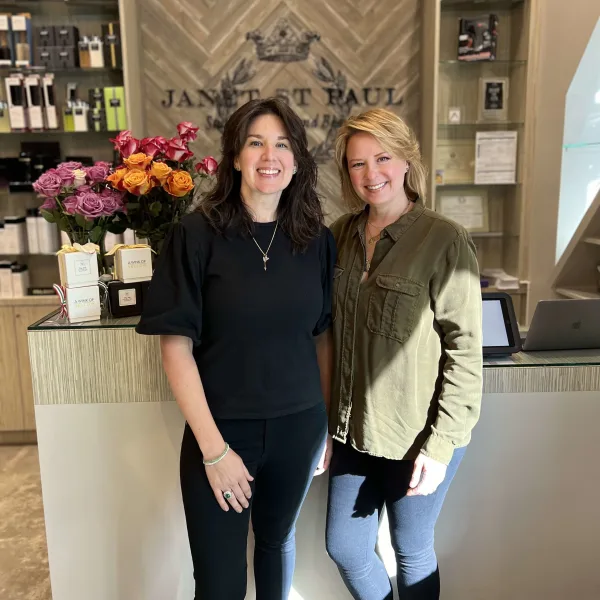
At Janet St. Paul Studio for Hair and Beauty, Director of Operations Natasha McMillen helps bring her wife Janet St. Paul's vision to life, elevating every system from education to operations.
The strongest salons, spas, and med spas know which numbers tell the real story of their business. In this practical guide, Phorest breaks down the five essential KPIs every business should track to improve retention, boost revenue, and make smarter decisions with confidence.
At Bella Style Salon in Slidell, Louisiana, Director of Operations Angela Meyer tackles inventory, team management, and guest relations. Read all about her in our latest Meet the Manager.
Starting at Impressions front desk in 2006 when he was 19 years old, General Manager Paul Petrowsky is a seasoned professional who owner Sarah Taylor says is responsible for much of her own success.
Planning is in full swing for the most anticipated events and promotions for the 2026 holidays. As owners share their favorite ways to celebrate, they prove that a carefully planned event can also build culture, increase client loyalty, boost sales, and set a business up for a successful 2027.
When things run amok at Mane Attraction Salon, Owners Chris and Jenny Knudsen say General Manager Sami Hernandez is their go-to resource and ultimate sounding board. Meet Sami in this installment of Meet the Manager.