











You Don't Own a Salon. You Own A Business.
In his latest blog, Leon Alexander Ph.D., challenges industry conventional thinking to help owners add more to their bottom lines.
 MENU
MENU SEARCH
Laura Ortmann believes establishing her salon’s culture is a challenging, never-ending job. As a former attorney who purchased the existing Ginger Bay Salon and Spa in St. Louis in 2008, one of her first tasks was defining the ...
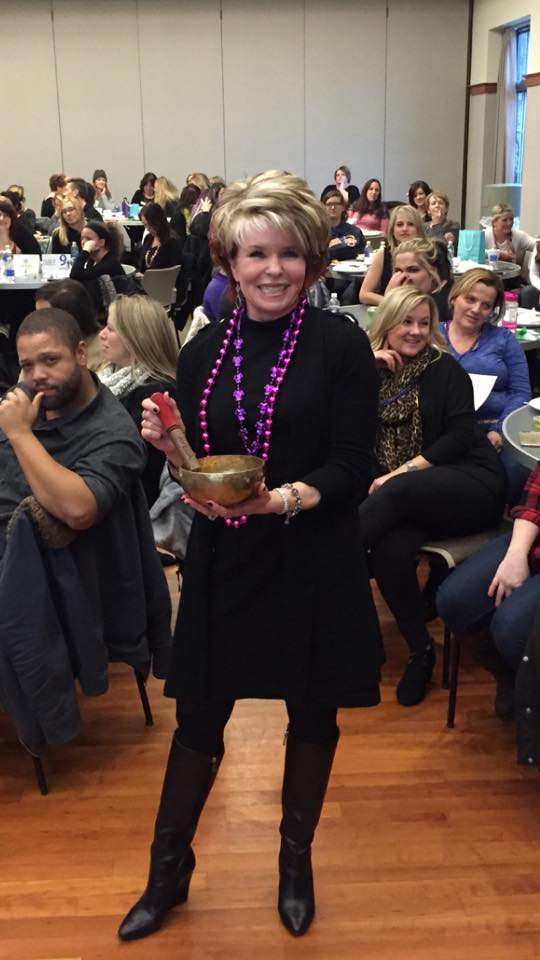
Laura Ortmann rings a Tibetan singing bowl to start a staff meeting which is focused on developing salon culture.
Laura Ortmann believes establishing her salon’s culture is a challenging, never-ending job. As a former attorney who purchased the existing Ginger Bay Salon and Spa in St. Louis in 2008, one of her first tasks was defining the salon’s culture, but Ortmann now admits it was a one-sided debriefing.
“I made a PowerPoint and laid out what I expected the culture to look like, I set out my personal and professional goals and my business plan,” she remembers. “Looking back, I don’t know if that was genius or ridiculous, but it was clear. I also introduced open book management which a huge cultural shift for a company that had been in business for 17 years with little financial accountability.”
Several years later, Ginger Bay planned to expand to a second location in 2011, Ortmann and her leadership team worked through a number of exercises designed to uncover what they wanted to do differently in the new location. “I was writing their feedback on big sticky notes on the conference room wall, and as the feedback rolled in, it was a big wake up call,” Ortmann says.
Ortmann realized she had made some compromises when she’d made past decisions that favored money over the salon’s culture, and some work was required to get the salon back on track.
“At the beginning of my ownership, I had allowed negative employees to stay because they were high producers,” she says. “Because of my business debt, I was more worried about paying my bills than fostering a great culture. I learned I needed to get my priorities straight and lead fearlessly.”
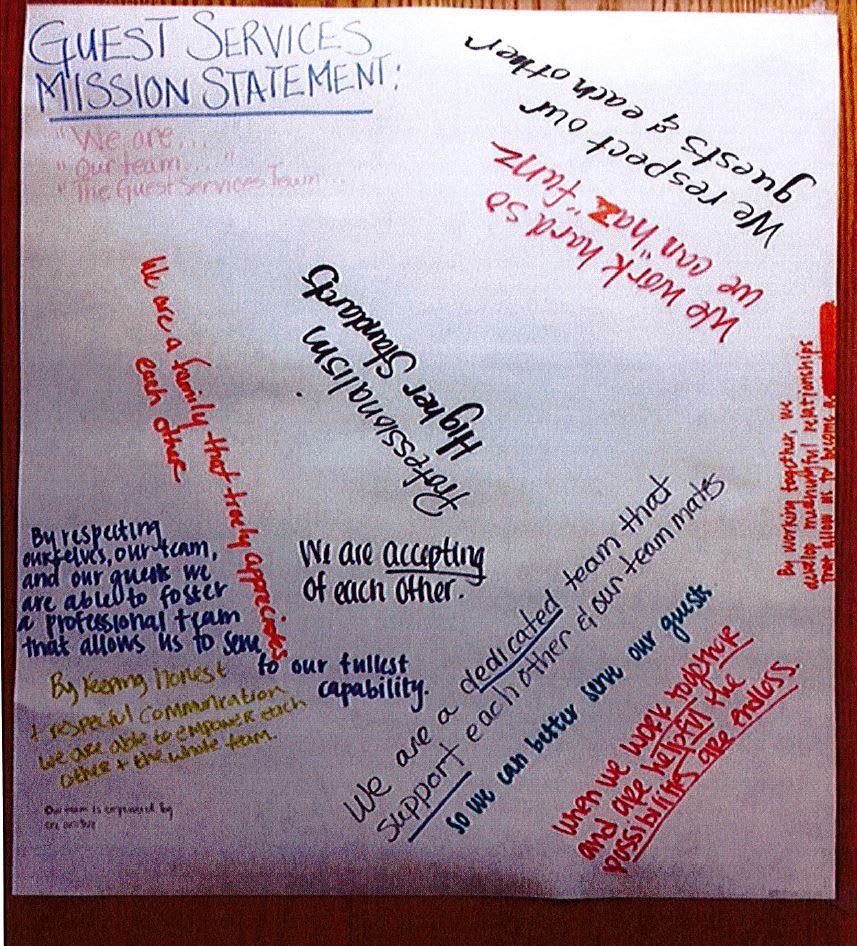
Ortmann hired a Franklin Covey facilitator to coach both her and her salon leaders to define and cultivate their culture. Then, they held a full-day offsite meeting with the team to collaborate on the salon’s mission and vision statement. “We even created coaching sheets to ensure that we were not just evaluating the numbers, but also the behaviors that keep our culture alive,” Ortmann says. “For example, we track our team’s participation in education and philanthropic events on the coaching sheets.”
Daily Lessons
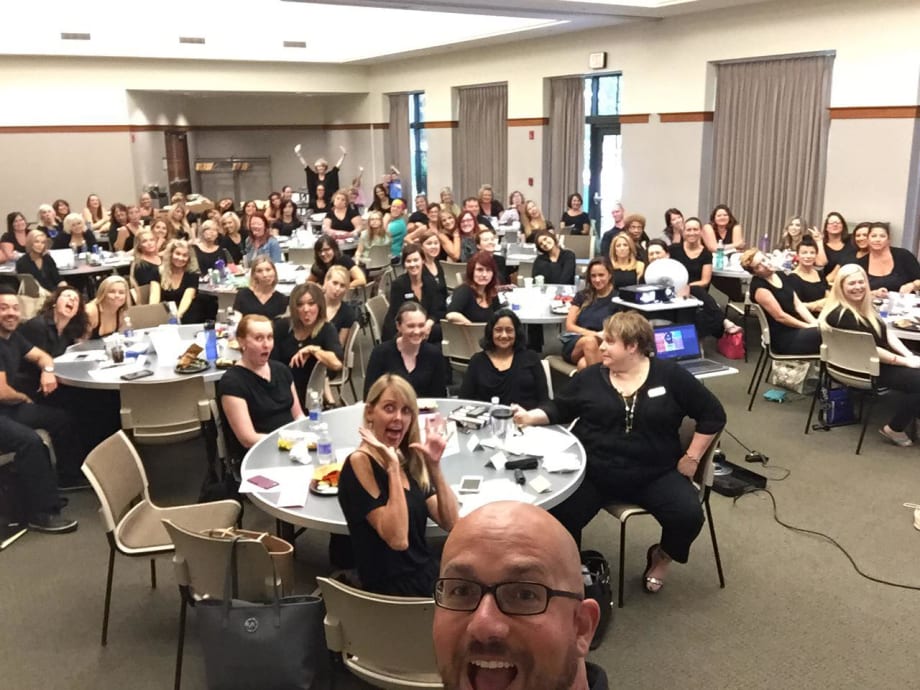
Each year for the past two years, Ginger Bay has held four all-team meetings which examine culture from the standpoint of where the salon came from, where are they now and where are they going. “Culture is very important to us, it’s more than a writing on the wall,” Ortmann says.
In addition, Ortmann and her leadership team have developed a number of activities that continually infuse culture throughout the team:
Book Club: When leaders want to introduce a new book to their departments, they encourage the reading of in in a book club format. The company purchases the books, and the teams read one chapter per month. The team leader prepares discussion questions so employees can show up prepared.
Departmental Missions, Visions & Goals: Team members create scoreboards and team signage is displayed in breakrooms and offices. Each team reevaluates their departmental mission and vision annual.
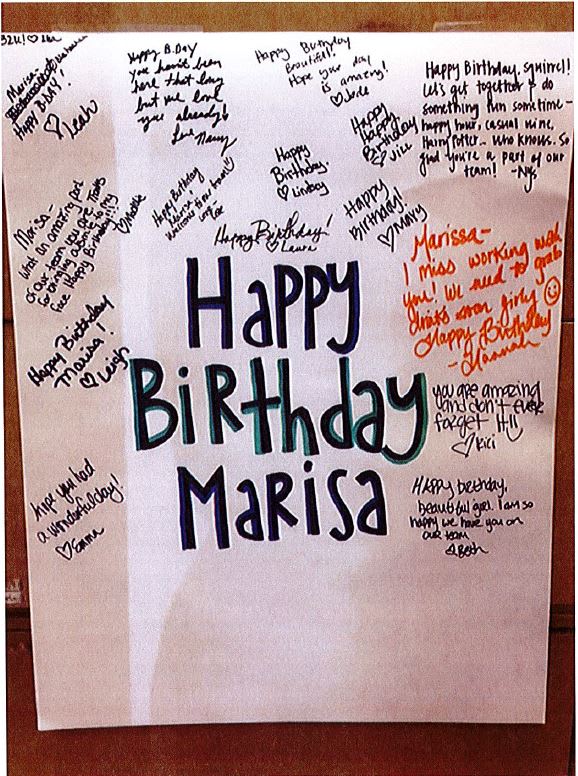
Life Celebrations: Ginger Bay celebrates team members’ birthdays, engagements, marriages, new babies and even the purchases of new homes and cars. One inexpensive, but visible way of celebrating, is by handing a giant birthday message and encouraging teammates to sign it.
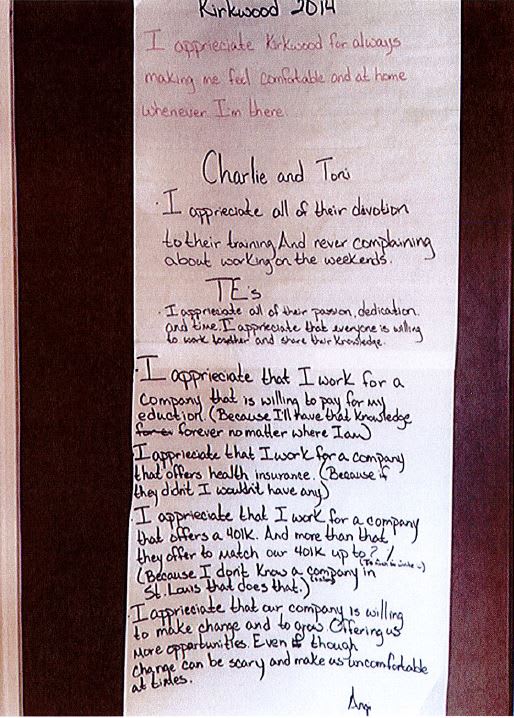
Appreciation Exercises: Sometimes when morale feels low or as a great way to start a new year, Ginger Bay leadership encourages the team to express appreciation in a group setting. For example, sometimes they’ll list each person’s name on a sheet of paper then have everyone go around the room and write down at least one thing they appreciate about that person. “We read them outloud, then give each person their appreciation sheet,” says Ortmann. “The reaction for each person is priceless.”
Feedback Exercises: A big part of Ginger Bay’s new culture is being open to feedback and change. Often in a group setting, the team addresses urgent and important topics in small groups so everyone can be hear. “For example, we conducted and exercise and asked the team what they didn’t like about our compensation program,” Ortmann says. “Each person put their ideas on a large Post-It note, then each team member were asked to place a tick mark next to the issue they wanted to see changed the most and we could see what was most important to them.”
Culture Wordle: Borrowing an idea from Neroli Salon and Spa, Ginger Bay conducted a team activity that produced a wordle that is hung on walls to remind the team of their culture. Leaders led culture exercises and reviewed responses after the meeting. They then took the 25-30 words that were most used by the team to create the wordle.
In his latest blog, Leon Alexander Ph.D., challenges industry conventional thinking to help owners add more to their bottom lines.
In her latest blog, Amy Pal helps you develop your own clear guidelines around complimentary free employee services.
From managing air traffic on busy days to handling frustrated guests' complaints, your front desk team often serves as the salon's emotional shock absorber. From a customer service lesson from the DMV to a list of strategies for caring for your front line, our experts offer ideas for alleviating stress, celebrating wins, and setting goals.

According to the KIM Report, top-line salon revenue appears steady or slightly up, but that growth is driven primarily by service price increases. Beneath the surface, retail performance and client visit frequency (appointment drift) are under real pressure. In his latest blog, Alain Audet offers strategies for keeping your salon's retail sales strong.

Putting your family to work in the salon offers some real tax benefits, but you have you have to play by the rules of the tax code to claim them. Azarvand Tax Law's Leticia Skrabut, Esq., shows you how.

Discover how to create a true “WOW experience” for every client by first building a culture where your team feels engaged, empowered, and inspired. Drawing on Calvin Stovall’s Iconic Framework, this blog explores how salon, spa, and clinic leaders can strengthen culture, elevate customer experience, and build a business that stands out for the long term.
Sponsored by Phorest Salon Software

The wellness industry is growing fast, and salons and barbershops already are an important part of it. In her first blog, Tracy Rado shares where the wellness dollars are heading, and how salons can grow with this movement.

While salon sales are increasing, owners often feel they're working harder for the same or less profit. Leverage Q2 data from The KIM Report, Alain Audet reveals some of the structural changes that are dampening your growth and why your region and your salon size matters.

Weaknesses in your business are amplified during the Holiday Season. Spark Pro Global's Lucy Randall shows you five things to do now to have the strongest holiday season yet.

In Kati Whitledge's latest blog, she shares how salons have moved away from dress codes and embraced appearance standards. But by removing strict dress codes, some businesses may have unintentionally lowered their appearance standards. Whitledge helps you explain to your team why an appearance standard is important and how to smoothly implement a new appearance policy.

The Small Business Health Care Tax Credit is a non-refundable tax credit for for-profit businesses that provides a financial incentive for eligible employers who offer health insurance coverage to their employees. Leticia Skrabut, Esq., walks you through how to claim that credit.

Developing strong work habits early in one's career supports long-term success in the salon industry. Jesse Linares offers new stylists his top five tips.

Most salon owners have no idea what these numbers are. You can hit record sales and still have a profit problem. The difference comes down to four numbers almost nobody was taught to track.
Sponsored by Strata Salon Systems™

A five-area audit every owner-dependent salon needs to run. You built something that looks successful. Now find out if it can survive without you.
Sponsored by Strata Salon Systems™

Every month you put off fixing the problem, it gets bigger, more expensive, and harder to solve.
Sponsored by Strata Salon Systems™
At Janet St. Paul Studio for Hair and Beauty, Director of Operations Natasha McMillen helps bring her wife Janet St. Paul's vision to life, elevating every system from education to operations.

Expand your color service menu with the Pinstripe technique. Brooks and Brooks' Marlon Hawkins walks you through the technique.