Building a strong culture requires constant cultivation by the salon owner. The Salon Code's Kelley Swing walks you through a number of areas you need to consider.
by Kelley Swing, The Salon Code
June 9, 2025
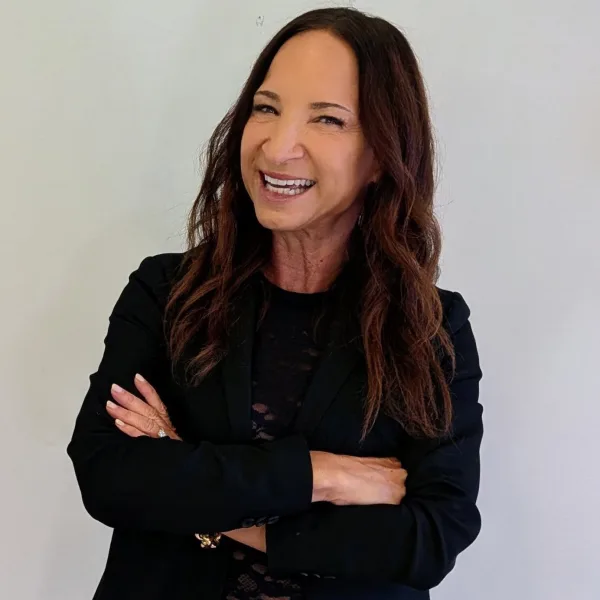
Kelley Swing, founder of The Salon Code.
3 min to read
The team from Head Case Hair Studio in a moment of celebration
Building a strong and loyal salon culture begins with a clear vision and shared values. Your team must understand the "why" behind your business—what you stand for, your goals and the experience you want to deliver. A clearly defined mission and core values will serve as a foundation for unity and purpose, ensuring everyone is aligned toward a common goal.
Ad Loading...
Lead by Example
As a salon owner or leader, your actions and mindset determine the tone. Show up with integrity, positivity, and consistency. Demonstrate behaviors and attitudes you want to see in your team. When your team sees you embodying the salon's values, they will likely follow suit. Don't forget to be vulnerable and empathetic.
Prioritize Communication
Open, honest and frequent communication is essential for building trust and loyalty. Create a safe space where team members feel heard and valued. Hold regular meetings to share updates, celebrate wins and address challenges. Encourage feedback and show that their input matters by taking actionable steps when possible.
Foster Personal and Professional Growth
Investing in your team's development enhances their skills and strengthens their loyalty. Offer ongoing education, training, and opportunities for advancement. Create clear career paths and mentor your team members to help them reach their goals. Employees who see you're invested in their success will be more committed to your salon.
Cultivate a Positive Work Environment
A positive and supportive workplace is the cornerstone of a strong culture. Celebrate achievements, both big and small, and recognize individual contributions. Foster relationships among your staff to encourage collaboration and teamwork. Address conflicts promptly and fairly to maintain harmony.
Empower Your Team
Empower your team by giving them ownership of their roles and trusting them to make decisions within their scope of work. This builds confidence and fosters loyalty. Encourage creativity and innovation by inviting fresh ideas and collaborating on decisions, big and small. This approach sparks valuable insights you may not have considered and ensures your team feels invested in driving positive change.
Ad Loading...
Focus on Work-Life Balance
Promote work-life balance to show that you value your team's well-being. Offer flexible schedules when possible and encourage self-care. A team that feels cared for is more likely to stay committed.
Build Traditions and Celebrate Milestones
Creating traditions unique to your salon helps build a sense of belonging. Celebrate birthdays, work anniversaries and salon achievements. Host team-building events or participate in community service projects together. These shared experiences strengthen bonds and create lasting memories.
Align with a Greater Purpose
Incorporating a cause or purpose into your salon's culture can inspire loyalty. Whether sustainability, community involvement or mental health advocacy, showing your salon stands for something meaningful attracts like-minded team members and clients.
Conclusion
A strong and loyal salon culture doesn't happen overnight—it's built through intentional actions, consistent leadership and a genuine commitment to your team's well-being and growth. By fostering trust, collaboration and a shared sense of purpose, you'll create a culture where your team feels valued and will thrive.
Are one of your traditional, handed-down salon management practices actually breaking the law. The pros from Paragon HR Consulting walk you through seven common Human Resources mistakes that could land you in hot water.
All beauty professionals should know how to identify when a client may need some health guidance. Tracy Rado discusses some common questions that clients ask in the chair, how to advise them, and when to refer them to a specialist.
From managing air traffic on busy days to handling frustrated guests' complaints, your front desk team often serves as the salon's emotional shock absorber. From a customer service lesson from the DMV to a list of strategies for caring for your front line, our experts offer ideas for alleviating stress, celebrating wins, and setting goals.
According to the KIM Report, top-line salon revenue appears steady or slightly up, but that growth is driven primarily by service price increases. Beneath the surface, retail performance and client visit frequency (appointment drift) are under real pressure. In his latest blog, Alain Audet offers strategies for keeping your salon's retail sales strong.
Putting your family to work in the salon offers some real tax benefits, but you have you have to play by the rules of the tax code to claim them. Azarvand Tax Law's Leticia Skrabut, Esq., shows you how.
Discover how to create a true “WOW experience” for every client by first building a culture where your team feels engaged, empowered, and inspired. Drawing on Calvin Stovall’s Iconic Framework, this blog explores how salon, spa, and clinic leaders can strengthen culture, elevate customer experience, and build a business that stands out for the long term.
The wellness industry is growing fast, and salons and barbershops already are an important part of it. In her first blog, Tracy Rado shares where the wellness dollars are heading, and how salons can grow with this movement.
While salon sales are increasing, owners often feel they're working harder for the same or less profit. Leverage Q2 data from The KIM Report, Alain Audet reveals some of the structural changes that are dampening your growth and why your region and your salon size matters.
Weaknesses in your business are amplified during the Holiday Season. Spark Pro Global's Lucy Randall shows you five things to do now to have the strongest holiday season yet.
In Kati Whitledge's latest blog, she shares how salons have moved away from dress codes and embraced appearance standards. But by removing strict dress codes, some businesses may have unintentionally lowered their appearance standards. Whitledge helps you explain to your team why an appearance standard is important and how to smoothly implement a new appearance policy.
The Small Business Health Care Tax Credit is a non-refundable tax credit for for-profit businesses that provides a financial incentive for eligible employers who offer health insurance coverage to their employees. Leticia Skrabut, Esq., walks you through how to claim that credit.
Developing strong work habits early in one's career supports long-term success in the salon industry. Jesse Linares offers new stylists his top five tips.
Most salon owners have no idea what these numbers are.
You can hit record sales and still have a profit problem. The difference comes down to four numbers almost nobody was taught to track.