As salon professionals, it's not uncommon to hear about clients' hair loss concerns--from a client suffering with alopecia or undergoing cancer treatments, to aging clients with thinning hair issues, to medication-induced hair loss--no doubt you've had to educate yourself to help your clients through this painful experience.
But have you ever heard of Trichotillomania, or TTM? Chances are, some of your clients have this condition, but more than likely, they haven't had the courage to speak with you about it or are too embarrassed to visit a salon until their hair grows back.
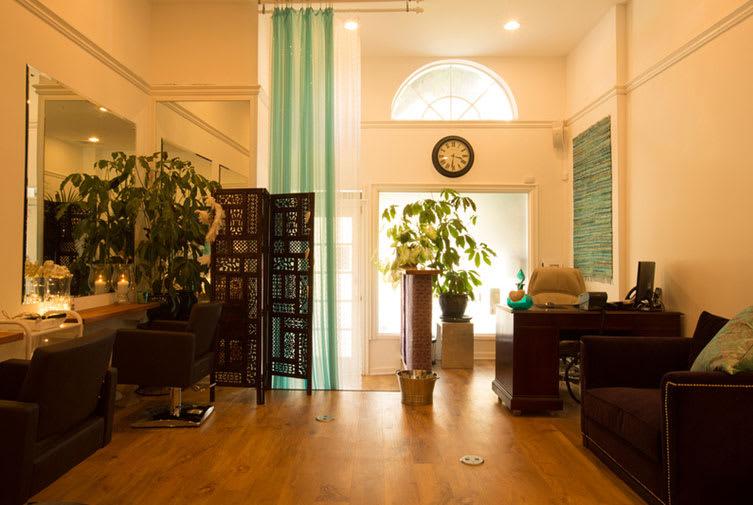
One woman, Lucinda Ellery, is working hard to help her clients suffering from TTM and other hair conditions by offering in depth consultations in a serene and relaxing atmosphere. I interviewed Lucinda about TTM, what she's doing to help clients at her Beverly Hills, California, Lucinda Ellery Consultancy.
ALISON SHIPLEY: For our readers who aren’t familiar, what is Trichotillomania and why do professionals need to be aware of this condition?
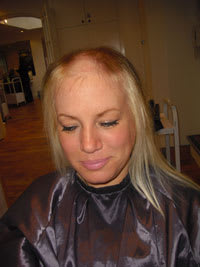
LUCINDA ELLERY: Trichotillomania (also known as TTM) it is a hair-pulling condition and is classified as an Impulse Control Disorder (ICD). It affects mainly women and usually starts around 11 or 12 years of age in which the affected person begins pulling out their hair (it can also occur at just about any age). It’s usually brought on or considered to be brought on by stress, anxiety, boredom or illness. Just about anything can trigger it and it affects about 9 million people in the U.S. While not too much is known about TTM, I think it’s very important for health professionals, and those in the salon business especially, to know it exists as treating someone with this disorder requires a very different approach.
AS: How does the consultation process work?
LE: When women hear about what we do they make an appointment for an in-person consultation and we spend quite some time discussing their specific hair issues. Every person is unique in their situation and what stage they are at with TTM, we then go over options and discuss the best choice for them. Whether they are completely without hair and require one of our full Signature Intralace Systems, or have patches of missing hair and require less work, we show them what can be done to resolve their hair loss issue. To further demonstrate our work and what we can do for them, we show photo examples of the work we have done to give potential clients an idea of how we can be of service. Our goal is to help them grow back their hair naturally and to make them look and feel as beautiful as possible.
AS: How can professionals handle this in a delicate manner?
LE: To work with someone who is affected by TTM, professionals must demonstrate empathy, understanding and compassion. Having a positive attitude and great energy is also very important. There should be an understanding for those who suffer from TTM are generally feeling isolated, anxious and deeply traumatized. While as a professional you want to do everything in your power to help someone in this situation, I think it is also critical that you are honest in what you can do, what services you can provide and what the client can expect to see as the end result. One of the worst things that can happen, and something you don't want, is to give false hope by promising a result that you cannot deliver. A very touching subject and horrible disorder, there is no doubt that working with someone who has TTM is not for everyone. However, if you do pursue this line of work, helping those with TTM is quite a remarkable feeling and I would not change it for the world.
AS: Tell us more about empathy and understanding when working with clients who suffer from TTM.
LE: Empathy and understanding are important because women who are affected by this disorder are embarrassed and ashamed. No matter what age or cause, enduring a traumatic experience like hair loss will make a person feel different and empty inside. My clients have told me they don’t feel pretty or attractive and it affects them psychologically and emotionally. Professionals should deliver an ambiance of peace, harmony and understanding when dealing with people with hair loss issues.
AS: Is there anything you can do, as a stylist, to prevent your client from pulling?
LE: While a stylist can’t stop the client from pulling their hair she/he can certainly help manage it by helping them look (and feel) good. Giving clients tips and support on how to style and take proper care of their hair could potentially help with pulling urges. Support, understanding and caring can also make a big difference. Being non-judgmental and having compassion are key to really helping a client with this condition.
AS: How can one get more information on this condition?
LE: We have information on our website lucindaellery-hairloss.com where we explain in depth what Trichotillomania is and how we can help clients cope with it. I think it’s a very good idea to garner facts and to get in touch with an organization called TLC or Trichotillomania Learning Center, founded Christina Pearson, who is currently 17 years pull free and is a great advocate for Trichotillomania. She coordinates retreats and conferences while single-handedly raising millions of dollars for research for the medical profession find some sort of cure for TTM.
AS: How can one learn to become a specialist servicing clients with this condition?LE:
LE: Attending cosmetology school and thorough knowledge of hair is truly essential and the first requirement to becoming a specialist. Secondly, anyone interested in helping clients with TTM should really do their homework and look up the condition and how it works. Along with a strong knowledge base, one should learn patience and have genuine compassion for this line of work.
AS: What kind of professional should consider specializing in servicing clients with this condition?
LE: Health professionals would be great for this line of work. They would already possess the caring nature associated with the educational background. Passion and interest would be a prerequisite followed by the desire to help others and what you can bring to the table such as skills, gifts and talents. There has to be a desire almost vocational element involved to find an area to excel in that is of interest to them. While developing a brilliant skill set over time that will help others. People should remember it can take years to learn, but it is so worth it there is nothing better than helping another human being heal their heart, mind, body which contributes to having a happy and fulfilling life!
AS: What are the personality traits required of a stylist to work with clients suffering with TTM?
LE: A kind-hearted spirit is an absolute must. As cheesy as it sounds, in this position you are working with people in a very fragile state and clients really need someone who is going to listen to them and support them and make it easier for them to ensure this process. Someone in this line of work should have a very nurturing demeanor and should be a strong and inspiring source of hope for their clients. This job definitely is not for someone who is quiet, introverted, impatient or lacking empathy for others.
AS: Any other info we need to know?
LE: There is no known cure (that I know of) for TTM. Working in this field I think it’s very important to provide hope, faith and support to people with this condition. At Lucinda Ellery Consultancy we have seen and helped thousands of women, all unique in their own way and all requiring a different kind of support. This is a disorder that is generally not talked about and we have tried and succeeded in providing women with TTM with a safe haven where they feel at ease and in good hands. Helping people not to feel isolated about their hair loss condition is what we have found to generally be the best way to help people cope with the situation. Our aim is to assist in the management and recovery from the disastrous effects of TTM. We strive for our clients to heal and regain a full head of hair without permanent damage and also manage and control their urges of hair pulling by utilizing the Signature Intralace System which can help significantly in the battle to become pull free for life!