











You Don't Own a Salon. You Own A Business.
In his latest blog, Leon Alexander Ph.D., challenges industry conventional thinking to help owners add more to their bottom lines.
 MENU
 SEARCH
I got a call today from the existing salon interested in selling. We’re making progress! Buying the right salon in the right location for the right price can be an awesome way to get into your salon location. We’ve found ...
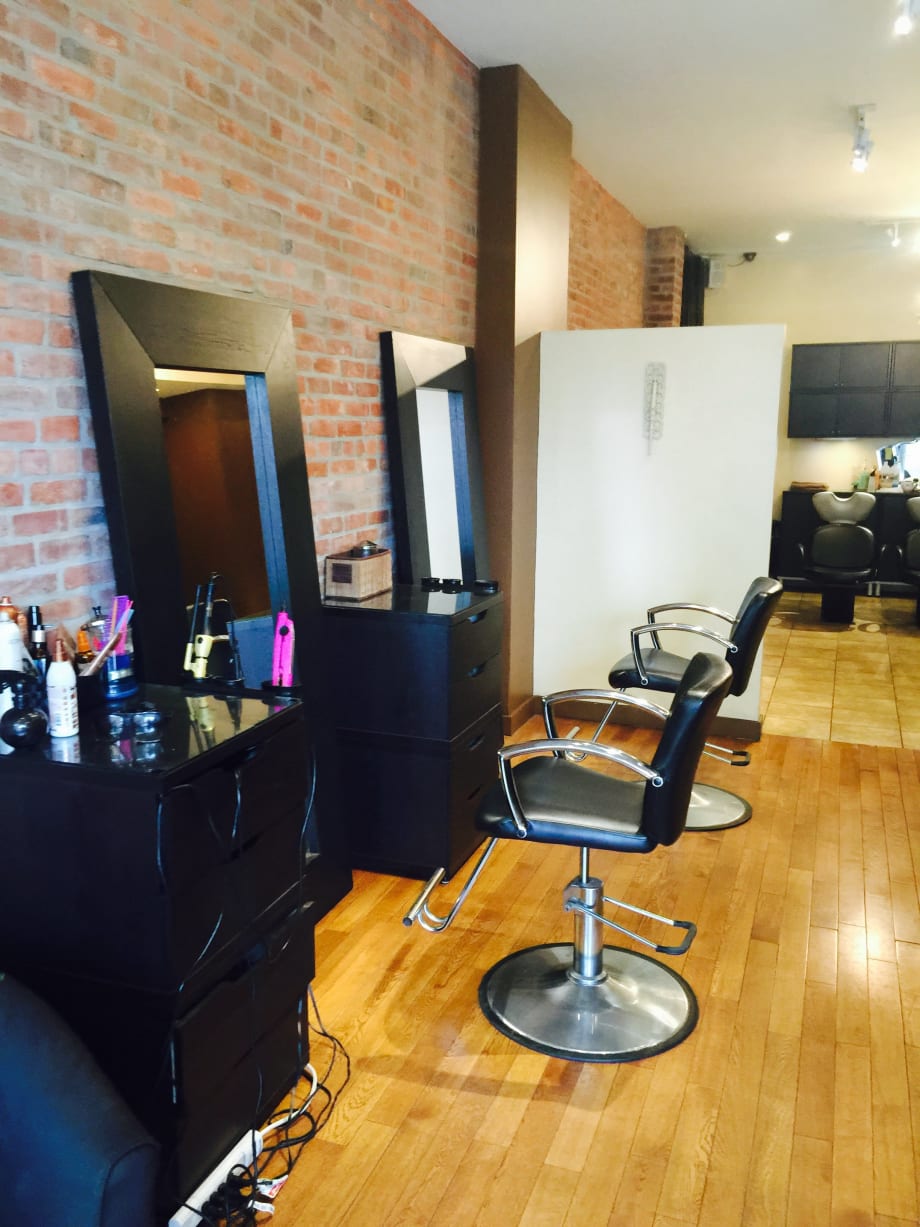
I got a call today from the existing salon interested in selling. We’re making progress! Buying the right salon in the right location for the right price can be an awesome way to get into your salon location.
We’ve found an 800 square-foot salon with a basement that could be an interesting purchase. The salon has one year left on its lease, has eight stations, three shampoo bowls and the owner is aggressively seeking to sell.
Our Buying Considerations:
Why is the business for sale? Is it profitable or losing money?
It’s easy to say you can run it better, but can you? If the salon is profitable, how much business will stay when the owner leaves? Is the price worth the value of any renovation and marketing needed to get out the word for the new salon?
Is location inside our target area?
Stick to your target area! The new or slightly used the motto, “location, location, location” is almost always true. You need walk-in traffic; your location needs to work just as hard as your marketing.
Is the lease transferable?
Many are not and trying will terminate the lease.
What’s the benefit to assume the lease, and can we lock in future terms now?
Your hope is you can take advantage of a lease signed with better terms than they would offer today. It’s important you know all the terms of the lease before you begin to negotiate. If the lease has less than five years left, you may want to consider negotiating your future terms now.

The Purchasing Process
The current salon owners have shared their asking price; wow is always my first answer in these situations.
We’ve requested the last two year financials from the owner, preferably audited by an accountant. As we review the financials, our goal is to create a post-purchase profit and loss statement and see what the net income will be post purchase. Your accountant is a great resource here.
Our Investigation Begins:
How many owners has the salon had, and be honest, why do we think we can make the location work?
One owner and in our target area: Check.
Does the owner work behind the chair, and how are they paying themselves? Usually it’s out of the profits. Assume we lose 100% of their revenue, what does the business look like now?
Almost half of this salon’s sales are done by the owner: Red Flag!
What’s the rent savings?
For us, it’s approximately $25,000 savings year one: Check.
Review expenses and all vendor agreements to accurately project your expenses going forward.
All straight-forward, and no surprises.
HOT TIP: If you get to an agreement, have your attorney do a lean search, it’s important to know all debts tied to the business are paid at time of sale.
Result:
We’ve decided to make an offer; the question is what should the offer be? A salon will usually sell for either: 2-4 times net income OR 35% of revenue plus inventory. If the salon doesn’t have positive net income or substantial revenue, then look at the value of the location and furniture.
Well, today was a bust. We put our third and final offer over several days of negotiation and it’s a no go. We learned they were already under contract with another buyer. It's frustrating, but part of the process. Our realtor Eddie says, everything works out for a reason, and he has some good news on a location we were really excited. Stay tuned.
In his latest blog, Leon Alexander Ph.D., challenges industry conventional thinking to help owners add more to their bottom lines.

In her latest blog, Amy Pal helps you develop your own clear guidelines around complimentary free employee services.

From managing air traffic on busy days to handling frustrated guests' complaints, your front desk team often serves as the salon's emotional shock absorber. From a customer service lesson from the DMV to a list of strategies for caring for your front line, our experts offer ideas for alleviating stress, celebrating wins, and setting goals.

According to the KIM Report, top-line salon revenue appears steady or slightly up, but that growth is driven primarily by service price increases. Beneath the surface, retail performance and client visit frequency (appointment drift) are under real pressure. In his latest blog, Alain Audet offers strategies for keeping your salon's retail sales strong.

Putting your family to work in the salon offers some real tax benefits, but you have you have to play by the rules of the tax code to claim them. Azarvand Tax Law's Leticia Skrabut, Esq., shows you how.

Discover how to create a true “WOW experience” for every client by first building a culture where your team feels engaged, empowered, and inspired. Drawing on Calvin Stovall’s Iconic Framework, this blog explores how salon, spa, and clinic leaders can strengthen culture, elevate customer experience, and build a business that stands out for the long term.
Sponsored by Phorest Salon Software

The wellness industry is growing fast, and salons and barbershops already are an important part of it. In her first blog, Tracy Rado shares where the wellness dollars are heading, and how salons can grow with this movement.

While salon sales are increasing, owners often feel they're working harder for the same or less profit. Leverage Q2 data from The KIM Report, Alain Audet reveals some of the structural changes that are dampening your growth and why your region and your salon size matters.

Weaknesses in your business are amplified during the Holiday Season. Spark Pro Global's Lucy Randall shows you five things to do now to have the strongest holiday season yet.

In Kati Whitledge's latest blog, she shares how salons have moved away from dress codes and embraced appearance standards. But by removing strict dress codes, some businesses may have unintentionally lowered their appearance standards. Whitledge helps you explain to your team why an appearance standard is important and how to smoothly implement a new appearance policy.

The Small Business Health Care Tax Credit is a non-refundable tax credit for for-profit businesses that provides a financial incentive for eligible employers who offer health insurance coverage to their employees. Leticia Skrabut, Esq., walks you through how to claim that credit.

Developing strong work habits early in one's career supports long-term success in the salon industry. Jesse Linares offers new stylists his top five tips.

Most salon owners have no idea what these numbers are. You can hit record sales and still have a profit problem. The difference comes down to four numbers almost nobody was taught to track.
Sponsored by Strata Salon Systems™

A five-area audit every owner-dependent salon needs to run. You built something that looks successful. Now find out if it can survive without you.
Sponsored by Strata Salon Systems™

Every month you put off fixing the problem, it gets bigger, more expensive, and harder to solve.
Sponsored by Strata Salon Systems™

At Janet St. Paul Studio for Hair and Beauty, Director of Operations Natasha McMillen helps bring her wife Janet St. Paul's vision to life, elevating every system from education to operations.

Expand your color service menu with the Pinstripe technique. Brooks and Brooks' Marlon Hawkins walks you through the technique.