









You Don't Own a Salon. You Own A Business.
In his latest blog, Leon Alexander Ph.D., challenges industry conventional thinking to help owners add more to their bottom lines.
 MENU
MENU SEARCH
Whether you’re a renter in a salon, or you own your own place, it’s important to be insured properly.

Whether you’re a renter in a salon, or you own your own place, it’s important to be insured properly.

Amanda R. was happily caring for her clients in her small salon in Arizona, when she received a letter that rocked her world. A former client was suing her for $1 million, claiming the blow dryer used during a blowout caused her to lose her hearing. Luckily Amanda had a good insurance policy that included professional liability. “Not only did we cover the claim,” says Jim Swegle of Homesite Insurance. “We also covered the legal costs to defend the salon owner against the accusations. This is important because often, even if a claim ends up in no payment, the defendant has to spend a significant amount of money in legal defense fees.
Insurance isn’t as much fun to purchase as, say, a new styling chair, but when things happen (and they often do) you’ll be glad if you’re covered properly. If you’re a renter in a salon, or you own your own place, here’s what you need to consider.
General Liability
This type of insurance covers you in the event of claims made against you or your business for bodily injury or property damage. For example, say your client slips on some hair that was left on the floor, breaks her wrist and demands you cover her medical expenses. Your general liability will cover those costs and legal expenses should the situation escalate. Both booth renters and salon owners need general liability insurance.
If you are a salon owner, you’ll need property insurance to cover the property inside your salon from theft, fire and water damage. That includes equipment, products, electronics, fixtures, etc. If you own the building, you’ll also need coverage on the building, including the parking lot and exterior. If you’re leasing the space, the building owner will probably have requirements on the level of liability you will need.
Professional Liability
This is perhaps the most important type of coverage for booth renters and salon owners. Professional liability helps cover the costs of claims in the event something goes wrong with a service you perform or a product you use. For example, perhaps a client has a severe reaction to a highlight application and seeks compensation. Professional liability will cover you. And if you’re a salon owner, you’ll need substantially more professional liability coverage than if you’re a renter to cover your employees.
Worker’s Compensation
All but four states require employers to carry worker’s compensation insurance. And in some states, this type of coverage is provided by the state and not by an insurance carrier. So if you have employees, be sure to check with your insurance provider to be sure you have the proper coverage.
Additional Business Coverage
As your business grows, your insurance needs can become more complicated. For example, depending upon the size of your operation, you might need employee benefit coverage or protection from employee theft. And what if you had to shut down your business for some reason? Another extremely important type of coverage for business owners is business income insurance, which replaces lost income in the event of a covered incident like a fire. Also, a growing area of concern is cyber theft—say someone hacks into your computer system and obtains client identity information. More and more businesses are looking into protection from these cyber occurrences.
How Much Or How Little?
Obviously, you can buy all types of policies, but as a rule of thumb, your amount of coverage should be based on the size of your business. If you work out of your home, you might need $5,000 to $10,000 worth of coverage, while a salon owner running an eight or ten chair salon might need $50,000 to $75,000 worth of coverage. “The biggest issue is not having enough insurance,” says Homesite’s Swegle. “People tend to ask themselves, ‘If I sold my business equipment, what would it be worth?’ Instead, ask yourself, ‘If something happened what would it cost to replace?’” And once your policy is in place, don’t just forget about it. Any time there’s a change and something within your business grows or shrinks—maybe you open a second location or expand or begin offering a new service—check in with your agent. “You don’t want to be paying for something you don’t need,” says Swegle, “and you don’t want to be under-insured.”
Other factors to consider? Look for professional liability policies targeted specifically for the beauty industry. Consider ease of doing business, such as the ability to get an online quote, make an online payment or manage a claim online. Above all, choose an insurance provider that customizes coverage so you purchase exactly what you need for your business—no more and no less!
In his latest blog, Leon Alexander Ph.D., challenges industry conventional thinking to help owners add more to their bottom lines.

In her latest blog, Amy Pal helps you develop your own clear guidelines around complimentary free employee services.
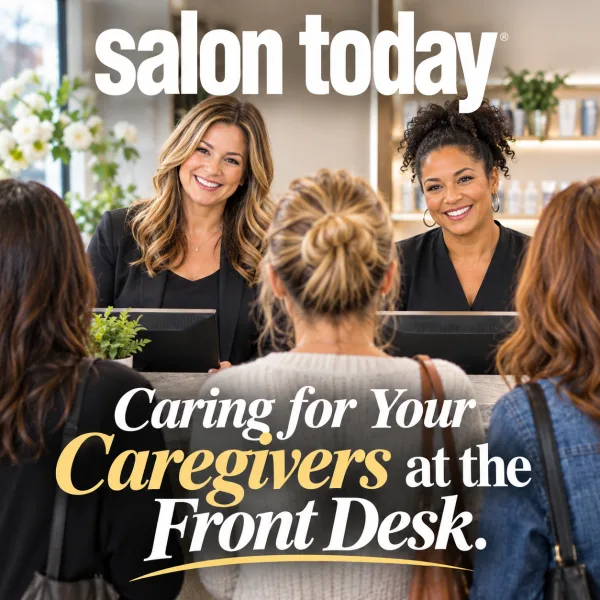
From managing air traffic on busy days to handling frustrated guests' complaints, your front desk team often serves as the salon's emotional shock absorber. From a customer service lesson from the DMV to a list of strategies for caring for your front line, our experts offer ideas for alleviating stress, celebrating wins, and setting goals.

According to the KIM Report, top-line salon revenue appears steady or slightly up, but that growth is driven primarily by service price increases. Beneath the surface, retail performance and client visit frequency (appointment drift) are under real pressure. In his latest blog, Alain Audet offers strategies for keeping your salon's retail sales strong.

Putting your family to work in the salon offers some real tax benefits, but you have you have to play by the rules of the tax code to claim them. Azarvand Tax Law's Leticia Skrabut, Esq., shows you how.

Discover how to create a true “WOW experience” for every client by first building a culture where your team feels engaged, empowered, and inspired. Drawing on Calvin Stovall’s Iconic Framework, this blog explores how salon, spa, and clinic leaders can strengthen culture, elevate customer experience, and build a business that stands out for the long term.
Sponsored by Phorest Salon Software

The wellness industry is growing fast, and salons and barbershops already are an important part of it. In her first blog, Tracy Rado shares where the wellness dollars are heading, and how salons can grow with this movement.

While salon sales are increasing, owners often feel they're working harder for the same or less profit. Leverage Q2 data from The KIM Report, Alain Audet reveals some of the structural changes that are dampening your growth and why your region and your salon size matters.

Weaknesses in your business are amplified during the Holiday Season. Spark Pro Global's Lucy Randall shows you five things to do now to have the strongest holiday season yet.

In Kati Whitledge's latest blog, she shares how salons have moved away from dress codes and embraced appearance standards. But by removing strict dress codes, some businesses may have unintentionally lowered their appearance standards. Whitledge helps you explain to your team why an appearance standard is important and how to smoothly implement a new appearance policy.

The Small Business Health Care Tax Credit is a non-refundable tax credit for for-profit businesses that provides a financial incentive for eligible employers who offer health insurance coverage to their employees. Leticia Skrabut, Esq., walks you through how to claim that credit.

Developing strong work habits early in one's career supports long-term success in the salon industry. Jesse Linares offers new stylists his top five tips.

Most salon owners have no idea what these numbers are. You can hit record sales and still have a profit problem. The difference comes down to four numbers almost nobody was taught to track.
Sponsored by Strata Salon Systems™

A five-area audit every owner-dependent salon needs to run. You built something that looks successful. Now find out if it can survive without you.
Sponsored by Strata Salon Systems™

Every month you put off fixing the problem, it gets bigger, more expensive, and harder to solve.
Sponsored by Strata Salon Systems™
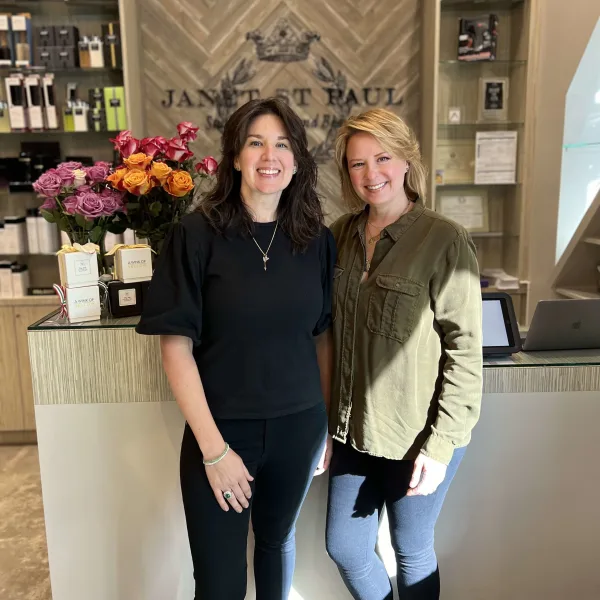
At Janet St. Paul Studio for Hair and Beauty, Director of Operations Natasha McMillen helps bring her wife Janet St. Paul's vision to life, elevating every system from education to operations.

Expand your color service menu with the Pinstripe technique. Brooks and Brooks' Marlon Hawkins walks you through the technique.