Building Careers, Not Chairs: The Systems Behind Sustainable Growth
How one salon company structured education, performance metrics, and career paths to drive retention, revenue, and long-term team growth.
by Chelle Neff, Owner of Urban Betty in Austin, TX
April 24, 2026
3 min to read
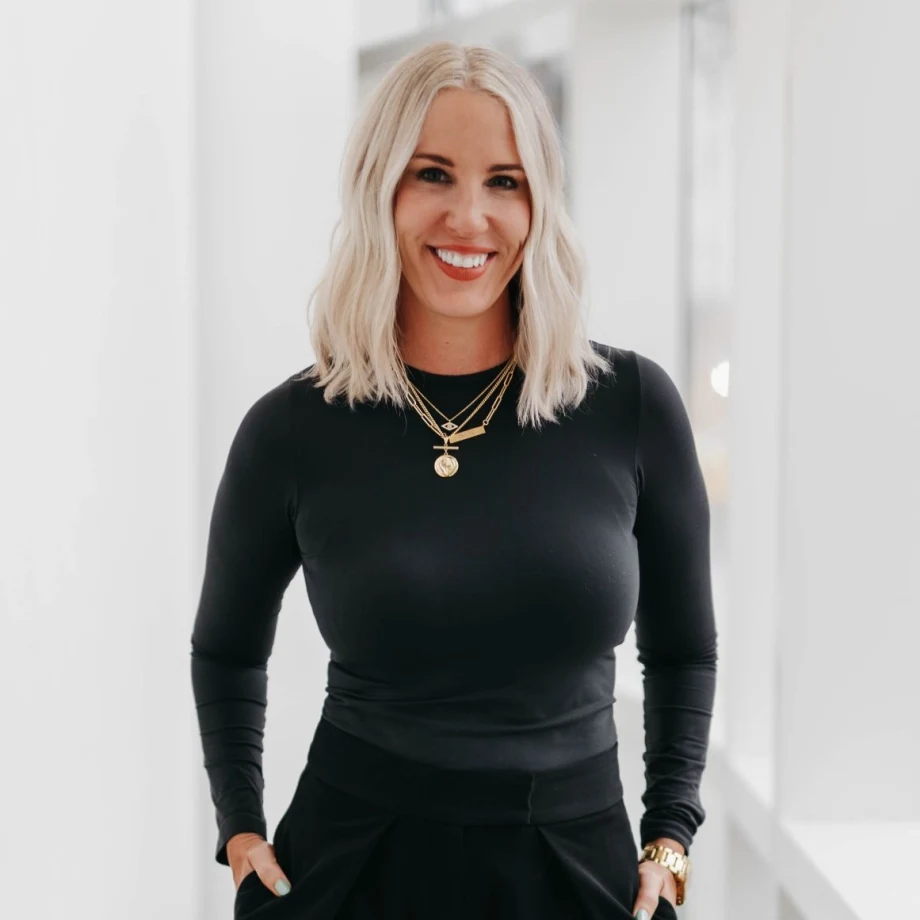
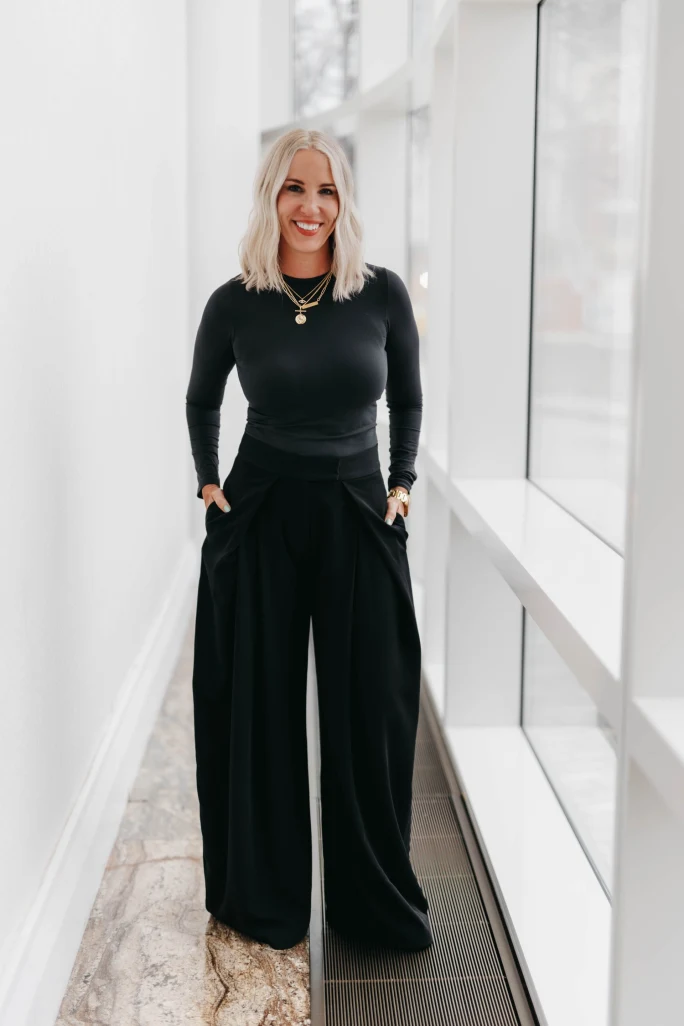
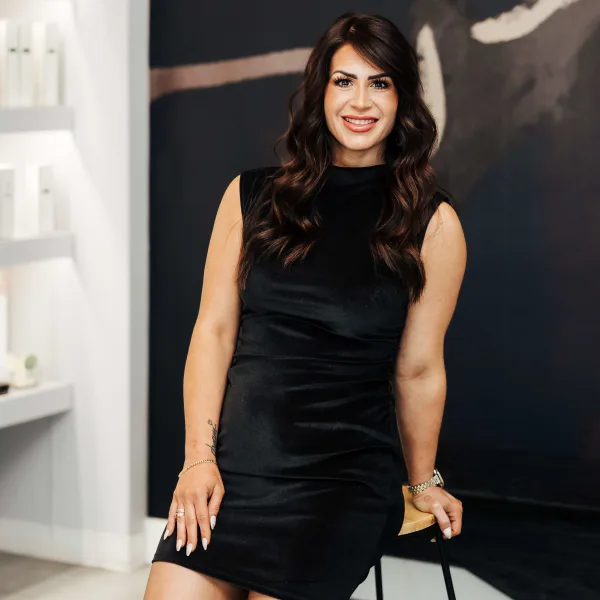
Chelle Neff is the founder of Urban Betty in Austin, Texas, which has multiple locations, nearly 100 team members and weekly service revenue consistently over six figures.
@jersean_
When I opened my salon, I wasn’t thinking about career pathing, KPIs, or education systems. I was thinking about survival. But 20 years later, as the founder ofUrban Betty, a multi-location salon company in Austin with nearly 100 team members and weekly service revenue consistently over six figures, I can tell you this: if you don’t build a structure for people to grow, your business will eventually stall. Talent alone is not a strategy.
Early on, I made the same mistake a lot of owners make. I hired talented people and assumed they would figure it out. Some did. Most didn’t. We saw inconsistent rebooking, low retail performance, stylists plateauing within 12 to 18 months, and turnover tied directly to income instability. What I realized is that most stylists weren’t failing because they lacked skill. They were failing because they lacked clarity. So we built systems.
Ad Loading...
We narrowed our focus to a few key performance indicators that every service provider tracks weekly. Our pre-book rate consistently targets 60 percent or higher. Retail-to-service has a minimum expectation of 13 percent, with top performers reaching 20 percent or more. Average ticket is tracked by level and service category, and service dollars per week are measured at both the individual and location level.
These are not suggestions. They are part of our culture. If a stylist falls below a threshold, it triggers mandatory education tied directly to that metric. If retail-to-service drops below 13 percent, stylists are required to attend product knowledge and consultation classes until performance improves. We do not leave growth to chance.
Our education model is built around accountability. Associates and Level 1 stylists are required to attend all classes. All team members must complete at least two classes per year. Missed classes require manager approval.
Service turnaways trigger mandatory skill-specific education. We also built an associate program that typically runs six to nine months, where new talent works side by side with certified educators for approximately 30 hours per week assisting and four to ten hours serving their own guests. The program includes structured skill checklists and benchmarks. This allows us to grow talent internally and control quality as we scale.
One of the biggest changes we made was implementing a level system with defined expectations. Each level is tied to pricing increases, performance benchmarks, guest demand, and consistency across key metrics.
Ad Loading...
When a stylist levels up, it is not subjective. It is earned. We also coach stylists on how to communicate price increases to guests, which has significantly reduced friction and retention loss. The result is faster book building, clearer expectations, and more consistent income growth.
Over the past year, these systems have driven measurable growth. Weekly service revenue has exceeded $100,000 for multiple consecutive weeks, with a highest recorded week of $121,000. Prebook rate remains consistently above 60 percent. Retail to service has reached 19 to 34 percent during peak periods. One location surpassed $100,000 in a single week within its first year of expansion. More importantly, retention has improved, and stylists are building sustainable careers faster than industry averages.
Systems alone do not work without leadership. We invest heavily in leadership development because managers are responsible for reinforcing metrics, holding team members accountable and coaching behavior change. We run monthly personal development meetings, leadership training programs, and structured feedback loops. Culture is not built in a handbook. It is built in conversations.
What started inside our salons is now something I teach externally as a mentor with High Performance Salon Academy. The same principles apply across the board. Clarity creates confidence. Structure drives performance. Education sustains growth. Salon owners do not need more ideas. They need better execution.
If your team does not know what is expected, how to improve, or what is possible, they will not stay. This industry does not have a talent problem. It has a structural problem. And once you solve that, everything changes.
Discover how to create a true “WOW experience” for every client by first building a culture where your team feels engaged, empowered, and inspired. Drawing on Calvin Stovall’s Iconic Framework, this blog explores how salon, spa, and clinic leaders can strengthen culture, elevate customer experience, and build a business that stands out for the long term.
The wellness industry is growing fast, and salons and barbershops already are an important part of it. In her first blog, Tracy Rado shares where the wellness dollars are heading, and how salon's can grow with this movement.
While salon sales are increasing, owners often feel they're working harder for the same or less profit. Leverage Q2 data from The KIM Report, Alain Audet reveals some of the structural changes that are dampening your growth and why your region and your salon size matters.
Weaknesses in your business are amplified during the Holiday Season. Spark Pro Global's Lucy Randall shows you five things to do now to have the strongest holiday season yet.
In Kati Whitledge's latest blog, she shares how salons have moved away from dress codes and embraced appearance standards. But by removing strict dress codes, some businesses may have unintentionally lowered their appearance standards. Whitledge helps you explain to your team why an appearance standard is important and how to smoothly implement a new appearance policy.
The Small Business Health Care Tax Credit is a non-refundable tax credit for for-profit businesses that provides a financial incentive for eligible employers who offer health insurance coverage to their employees. Leticia Skrabut, Esq., walks you through how to claim that credit.
Developing strong work habits early in one's career supports long-term success in the salon industry. Jesse Linares offers new stylists his top five tips.
Most salon owners have no idea what these numbers are.
You can hit record sales and still have a profit problem. The difference comes down to four numbers almost nobody was taught to track.
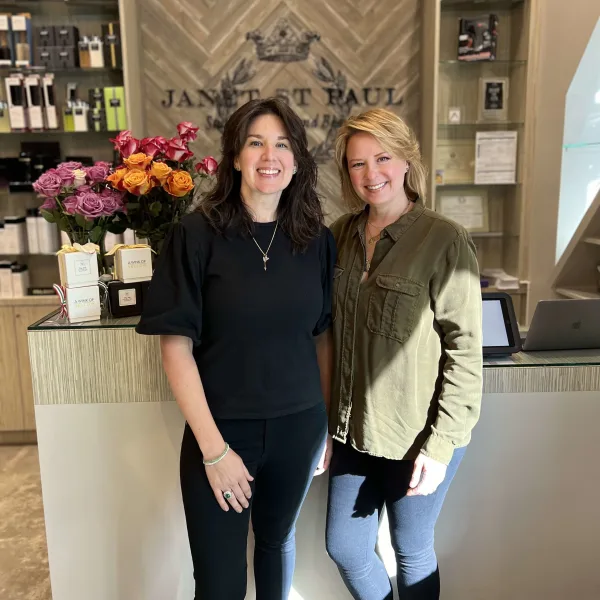
At Janet St. Paul Studio for Hair and Beauty, Director of Operations Natasha McMillen helps bring her wife Janet St. Paul's vision to life, elevating every system from education to operations.
The strongest salons, spas, and med spas know which numbers tell the real story of their business. In this practical guide, Phorest breaks down the five essential KPIs every business should track to improve retention, boost revenue, and make smarter decisions with confidence.
At Bella Style Salon in Slidell, Louisiana, Director of Operations Angela Meyer tackles inventory, team management, and guest relations. Read all about her in our latest Meet the Manager.
Starting at Impressions front desk in 2006 when he was 19 years old, General Manager Paul Petrowsky is a seasoned professional who owner Sarah Taylor says is responsible for much of her own success.
Planning is in full swing for the most anticipated events and promotions for the 2026 holidays. As owners share their favorite ways to celebrate, they prove that a carefully planned event can also build culture, increase client loyalty, boost sales, and set a business up for a successful 2027.
When things run amok at Mane Attraction Salon, Owners Chris and Jenny Knudsen say General Manager Sami Hernandez is their go-to resource and ultimate sounding board. Meet Sami in this installment of Meet the Manager.