Are Your Clients Spenders or Savers? How to Connect with Both
One is implusive, experience-driven and FOMO-filled. The other discipined, calculated and security seeking. Kati Whitlege shows you how to tailor the experience, conversation and retail recommendations to both.
by Kati Whitledge, Mya
September 3, 2025
3 min to read
As salon owners and leaders, one of the greatest skills you can develop is understanding the psychology of your clients. Every person who sits in your chair comes with their own values, triggers, and fears when it comes to money—and how you respond to those cues can determine whether you create a lifelong client or lose them after a single visit.
At the heart of it, most clients fall into one of two categories: spenders or savers. Recognizing the difference helps you tailor the experience, the conversation, and even your retail recommendations. Here’s what you need to know.
Ad Loading...
The Spender: Impulsive, Experience-Driven, and FOMO-Filled
Spenders thrive on immediate gratification. They value convenience, are drawn to transformation promises, and will almost always say “yes” to upgrades that elevate their experience in the moment. These are the clients who love express add-ons, luxury product lines, or anything exclusive.
Spenders also battle FOMO—the fear of missing out. A simple “last chance” or “almost sold out” message can motivate them to act fast. Their biggest fear? Looking cheap or out of the loop. That’s why they’ll jump on new styles, trends, or treatments, especially if you position them as unique or status-enhancing.
Your job:Make them feel special. Follow up with them after appointments, remember personal details, and treat them like your VIPs. The more you can create moments that feel personal and luxurious, the more loyal they’ll be.
The Saver: Disciplined, Calculated, and Security-Seeking
On the other side of the spectrum is the saver. Savers are methodical and disciplined. They pause before making decisions, research thoroughly, and avoid unnecessary risks. Where a spender leaps, a saver calculates.
They value stability and consistency—in your schedule, your service quality, and your pricing. Their biggest fear is being manipulated or wasting money. They want to feel respected for being responsible and in control of their finances.
Ad Loading...
Your job:Make them feel smart. Break down the long-term value of a service or product. Show them how their purchase is an investment, both financially and in their appearance or wellbeing. When you affirm their responsible decision-making, you’ll earn their trust—and their repeat business.
A Simple Rule for Every Client
Not sure which type of client you’re dealing with? Play it safe: help every client feel special and smart. That combination covers both spenders and savers, ensuring that no matter who sits in your chair, they feel valued and confident in their choice to be with you.
At the end of the day, clients want more than great hair—they want to feel understood. When you take the time to identify their money mindset and tailor your approach, you create deeper relationships, stronger loyalty, and ultimately, greater success for your salon.
About The Author: Kati Whitledge is a trailblazer in salon and spa marketing. She’s the Founder and CEO of mya—a powerful client recruitment and marketing platform built specifically for beauty and wellness pros. As a dynamic speaker, podcast host, and author, Kati is on a mission to transform how salon and spa businesses grow. Kati partners with top industry businesses to deliver smart, scalable solutions that improve retention, elevate client relationships, and drive profitability. Her no-fluff style, realness, and commitment to community make her a trusted voice and visionary leader in the industry. Follow @mya and @beyondthetechnique on Instagram.
Discover how to create a true “WOW experience” for every client by first building a culture where your team feels engaged, empowered, and inspired. Drawing on Calvin Stovall’s Iconic Framework, this blog explores how salon, spa, and clinic leaders can strengthen culture, elevate customer experience, and build a business that stands out for the long term.
The wellness industry is growing fast, and salons and barbershops already are an important part of it. In her first blog, Tracy Rado shares where the wellness dollars are heading, and how salon's can grow with this movement.
While salon sales are increasing, owners often feel they're working harder for the same or less profit. Leverage Q2 data from The KIM Report, Alain Audet reveals some of the structural changes that are dampening your growth and why your region and your salon size matters.
Weaknesses in your business are amplified during the Holiday Season. Spark Pro Global's Lucy Randall shows you five things to do now to have the strongest holiday season yet.
In Kati Whitledge's latest blog, she shares how salons have moved away from dress codes and embraced appearance standards. But by removing strict dress codes, some businesses may have unintentionally lowered their appearance standards. Whitledge helps you explain to your team why an appearance standard is important and how to smoothly implement a new appearance policy.
The Small Business Health Care Tax Credit is a non-refundable tax credit for for-profit businesses that provides a financial incentive for eligible employers who offer health insurance coverage to their employees. Leticia Skrabut, Esq., walks you through how to claim that credit.
Developing strong work habits early in one's career supports long-term success in the salon industry. Jesse Linares offers new stylists his top five tips.
Most salon owners have no idea what these numbers are.
You can hit record sales and still have a profit problem. The difference comes down to four numbers almost nobody was taught to track.
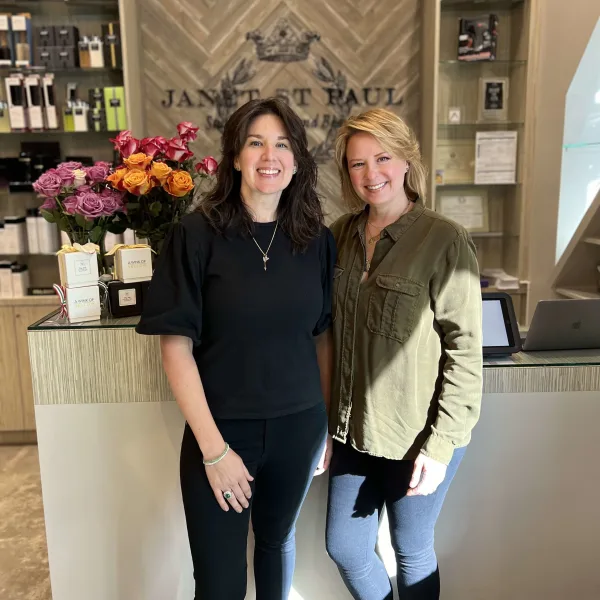
At Janet St. Paul Studio for Hair and Beauty, Director of Operations Natasha McMillen helps bring her wife Janet St. Paul's vision to life, elevating every system from education to operations.
The strongest salons, spas, and med spas know which numbers tell the real story of their business. In this practical guide, Phorest breaks down the five essential KPIs every business should track to improve retention, boost revenue, and make smarter decisions with confidence.
At Bella Style Salon in Slidell, Louisiana, Director of Operations Angela Meyer tackles inventory, team management, and guest relations. Read all about her in our latest Meet the Manager.
Starting at Impressions front desk in 2006 when he was 19 years old, General Manager Paul Petrowsky is a seasoned professional who owner Sarah Taylor says is responsible for much of her own success.
Planning is in full swing for the most anticipated events and promotions for the 2026 holidays. As owners share their favorite ways to celebrate, they prove that a carefully planned event can also build culture, increase client loyalty, boost sales, and set a business up for a successful 2027.
When things run amok at Mane Attraction Salon, Owners Chris and Jenny Knudsen say General Manager Sami Hernandez is their go-to resource and ultimate sounding board. Meet Sami in this installment of Meet the Manager.