The eco warriers Easydry are celebrating an epic week of eco-friendliness. Sustainability has always been at the core of Easydry, and this week marks several milestones in the company's eco mission.
by Staff
May 26, 2022
4 min to read
Almost 20 years ago, Easydry introduced the worlds first compostable, disposable towel product. Then ten years ago, Easydry first measured the carbon footprint of their product. This incredible milestone is definitely a cause for celebration. Easydry, at this time, also looked at the entire life-cycle of their patented disposable towels and measured the carbon footprint.
Easydry’s published their 2011 Environmental Report which included a summary of an independent Life Cycle Analysis which was commissioned by Easydry to compare their eco-friendly, disposable towels with cotton ones. The report includes a comparison of water usage, carbon emissions, the use of toxic chemicals and the use of land (which would be suitable for crop cultivation).
Ad Loading...
They then compared Easydry to cotton towels and have uncovered the following startling quotations and statistics:
Easydry fibre production uses 10 to 20 times less water than cotton production. Easydry uses approximately 319 litres of water to produce 1kg of fibre whereas 7,000 to 29,000 litres of water are needed to produce 1kg of cotton fibre.
There is no scientific evidence to support the belief that cotton is ecologically superior to industrially produced cellulose fibres.
“Cotton has one of the greatest environmental impacts of all agricultural commodities during its processing” according to the WWF.
“Modern man-made cellulose fibres have a clear potential in reducing the environmental impacts over cotton and petrochemical synthetic fibres” according to the University of Utrecht.
Easydry is the first disposable towel company to have a full life-cycle measured Carbon Footprint.
As founder and CEO, Anne Butterly explains: “When you look at the environmental research on Easydry disposable versus cotton towels, you can clearly see that Easydry is significantly kinder to the environment. It may sound contradictory but a single-use product, in this case, an Easydry disposable towel, has a lower carbon footprint, water, lower electricity usage and less environmental contamination than a reusable cotton towel. Cotton towels require frequent high temperature washes and drying cycles. This consumes huge quantities of water and electricity while releasing chemically contaminated water and microplastics into the environment. Easydry fibres are 100% biodegradable and compostable, whereas cotton towels are often mixed with synthetics and often end up in landfill sites where they take 1000’s of years to fully break down.”
FSC Recertification Audit Passed – 10 years of chain of custody certification.
Ad Loading...
The second piece of good news for Easydry this week is that they have passed their FSC recertification audit and can now celebrate ten years of being FSC Certified.
FSC Certification means that a company is manufacturing from ethically and sustainably managed forests. It also means that the company does not participate in illegal logging, child labour, forced labour or discrimination.
The Forest Stewardship Council is an independent, not for profit, non-government organization that was established to support environmentally appropriate, socially beneficial, and economically viable management of the world’s forests.
Easydry has FSC (Forest Stewardship Certification) for their product and their entire supply chain. This means that every step of the process has been externally audited and certified. This is a complicated process and is very difficult to achieve. Easydry first achieved this elusive certification ten years ago and, passed their second re-certification audit this week.
Founder and CEO, Anne Butterly explains: “I saw ten years ago that this coveted external certification was a great way to show that Easydry was focused on sustainability and human rights. This was then and still is a priority for us today! FSC Chain of Custody Certification means that an external body has audited our entire supply chain and has certified us to this standard. We are incredibly proud to have achieved this and retained it for ten years.”
Ad Loading...
Easydry is the only disposable towel company to have their entire chain of custody certified to this standard. It is incredible to have achieved this, let alone to have held this for ten years.
Industrial Compost, Home Compost and Seedling Certifications
Easydry towels have always been made with 100% certified composable fibres. However this was not enough for Easydry Founder and CEO Anne Butterly. She continued to push for even more. Easydry has now achieved an exclusive trio of external certificates from global experts TUV Austria to bolster their environmental credentials.
Easydry has now proved that their products are suitable for Industrial Composting, Home Composting and they also achieved the Seedling certification.
Butterly is particularly delighted to announce today that Easydry towels are now certified as suitable for the newest standard – Home Composting. This newly launched standard is certified by the esteemed TUV Austria – a global expert in certification to these and other standards.
Ad Loading...
Butterly explains: “We have always sought external certification to prove our claims. We know it is crucial for consumers and businesses to trust the brands they buy from. We are so proud to have achieved this trio of certifications from TUV Austria – “Home Composting”, “Industrial Composting” and “Seedling.”
Discover how to create a true “WOW experience” for every client by first building a culture where your team feels engaged, empowered, and inspired. Drawing on Calvin Stovall’s Iconic Framework, this blog explores how salon, spa, and clinic leaders can strengthen culture, elevate customer experience, and build a business that stands out for the long term.
The wellness industry is growing fast, and salons and barbershops already are an important part of it. In her first blog, Tracy Rado shares where the wellness dollars are heading, and how salon's can grow with this movement.
While salon sales are increasing, owners often feel they're working harder for the same or less profit. Leverage Q2 data from The KIM Report, Alain Audet reveals some of the structural changes that are dampening your growth and why your region and your salon size matters.
Weaknesses in your business are amplified during the Holiday Season. Spark Pro Global's Lucy Randall shows you five things to do now to have the strongest holiday season yet.
In Kati Whitledge's latest blog, she shares how salons have moved away from dress codes and embraced appearance standards. But by removing strict dress codes, some businesses may have unintentionally lowered their appearance standards. Whitledge helps you explain to your team why an appearance standard is important and how to smoothly implement a new appearance policy.
The Small Business Health Care Tax Credit is a non-refundable tax credit for for-profit businesses that provides a financial incentive for eligible employers who offer health insurance coverage to their employees. Leticia Skrabut, Esq., walks you through how to claim that credit.
Developing strong work habits early in one's career supports long-term success in the salon industry. Jesse Linares offers new stylists his top five tips.
Most salon owners have no idea what these numbers are.
You can hit record sales and still have a profit problem. The difference comes down to four numbers almost nobody was taught to track.
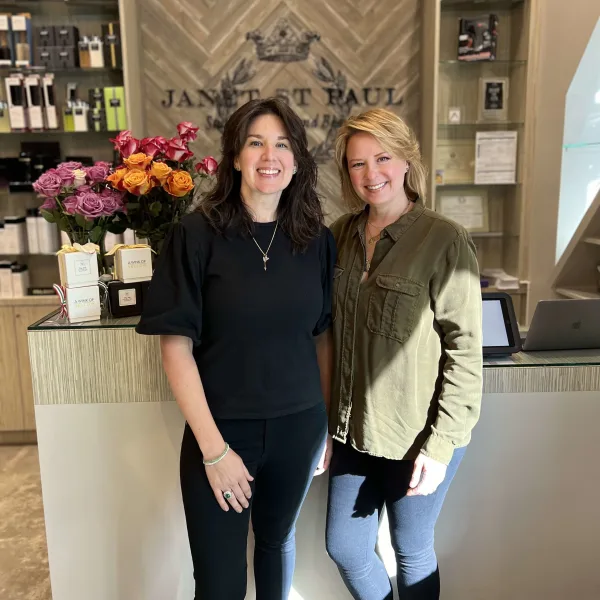
At Janet St. Paul Studio for Hair and Beauty, Director of Operations Natasha McMillen helps bring her wife Janet St. Paul's vision to life, elevating every system from education to operations.
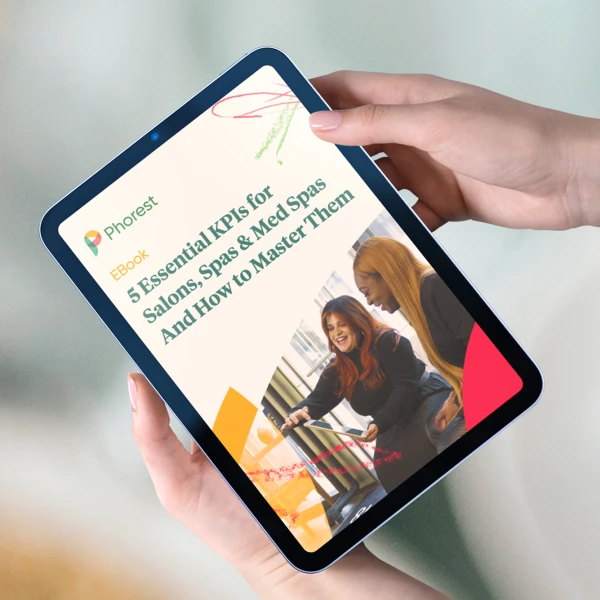
The strongest salons, spas, and med spas know which numbers tell the real story of their business. In this practical guide, Phorest breaks down the five essential KPIs every business should track to improve retention, boost revenue, and make smarter decisions with confidence.
At Bella Style Salon in Slidell, Louisiana, Director of Operations Angela Meyer tackles inventory, team management, and guest relations. Read all about her in our latest Meet the Manager.
Starting at Impressions front desk in 2006 when he was 19 years old, General Manager Paul Petrowsky is a seasoned professional who owner Sarah Taylor says is responsible for much of her own success.
Planning is in full swing for the most anticipated events and promotions for the 2026 holidays. As owners share their favorite ways to celebrate, they prove that a carefully planned event can also build culture, increase client loyalty, boost sales, and set a business up for a successful 2027.
When things run amok at Mane Attraction Salon, Owners Chris and Jenny Knudsen say General Manager Sami Hernandez is their go-to resource and ultimate sounding board. Meet Sami in this installment of Meet the Manager.