A Frank Conversation on Employee Retention in Today's Workplace
With the Great Resignation, it's critical that employee retention is a focus for salon owners at this time. To get to the heart of it, Strategies Michael Yost has an open dialog with two leading salon owners. Watch the conversation, or read the recap.
While team retention has always been an important issue for owners to manage, it’s become a critical one in the past two years.
The era of the Great Resignation is making economic recovery challenging for all small businesses.
Ad Loading...
While the pandemic made some team members wary to come back to work, the salon closures gave other beauty professionals time to contemplate taking their careers in different directions, whether embracing something new, switching salons or pursuing a suite opportunity.
Strategies President, Michael Yost, recently gathered two experienced salon owners for a frank conversation about staff retention, including what keeps their cultures strong, the techniques they employ to communicate with team members, how they keep everyone aligned to their vision and how they empower each individual to succeed.
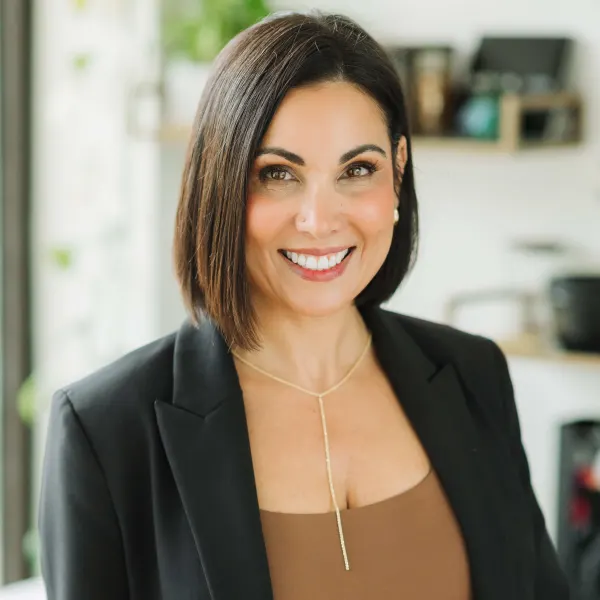
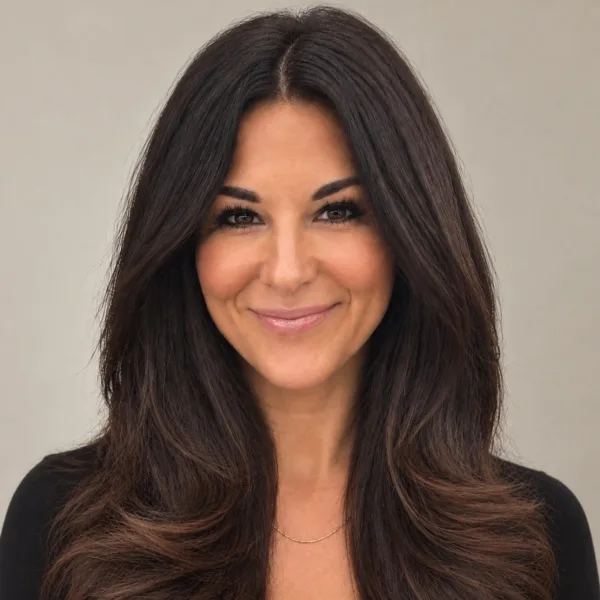
Joining Yost for this powerful conversation is Rachel Beechboard, owner of the Libelle Beach Salon in Lebanon, Tennessee, and Debbi Burns, owner of Curl Boutique in Westbrook, Maine. Both owners are current coaching clients with Strategies. While SALON TODAY has recapped the conversation below, we encourage you to watch the video above to capture all the details.
Yost: "If staff retention were a recipe, what is the key ingredient?"
Burns: “For me, it has been communication. It sounds like it’s very simple, but actually there are a lot of things I think I know about my staff, but I actually don’t. We are very intentional about putting out surveys, committed to doing one‐on‐ones and just being able to check in with people. It’s really easy for little things to turn into bigger things that turn into resentments.”
Ad Loading...
Beechboard: “If I had to choose one, I would say to lead from an open heart and empathy. It’s important to have better and deeper conversations with your employees. I don’t think anyone comes to work to be a bad employee or create a bad culture, it’s just that little things turn into big things, and leading with that empathetic, open heart, then you can have those conversations.”
Yost: "What do you do on a regular basis that makes your communication strong in your company?"
Burns: “We schedule our time for the one‐on‐ones, and staff are disappointment if we have to reschedule, so we work to keep the appointments. I always open up with ‘How can I help you? What’s going on? What are some things you want to achieve this month, and how I can help?' And sometimes people aren’t comfortable answering you in that moment, so we’re doing a lot with surveys so they can collect their thoughts and write it down.”
Beechboard: “Of course, for us, it’s the one‐on‐ones too, but it’s also about not being afraid to talk about something in between, especially when pressure arises. When that happens, we have to push forward, whether that’s coming together as a team or having an individual conversation. For me, I know when pressure is ticking up, and it’s time to have that conversation."
Yost: "The fuel of staff retention is empowerment. Tell me what empowering team members looks like in your company."
Ad Loading...
Burns: “I think it takes some time to really see who someone is as an individual; seeing them as humans and individual souls and understanding what is really important to them. I have team members who feel it’s very important to have boundaries—they want clear work times and home times, and they aren’t interested in taking on a lot of other things. In fact, relentless communication can sometimes feel intrusive to them. Then, I have others who want things to be in charge of, and they want to grow that way. It comes down to finding out more about them, and we do it through personality testing, communication and being curious about who they are.”
Beechboard: “Empowerment in our company looks like showing them how to lead themselves, with a lot of personal development that we do. We believe the world conditions us to think, act and be a certain way, and I like to empower them to believe in themselves. So, when something arises, it’s about getting their opinion—What do you think? How can we do better? How can we fix this? Right now, we’re doing a Guest Care 101 education, and it might take us all year to do it, but we’re taking bite‐sized pieces, like a consultation or guest arrival protocols, and we’re getting their opinion on it so they feel empowered that this is their company as well.”
Yost: "What happens when somebody wants to deviate from your direction or thinking? How do you course‐correct or address that?"
Beechboard: “I don’t think anyone has ill intentions, but they do have their own ideas. So, we take it back to the core values, mission and vision of the company, and sometimes those things don’t line up. I believe everyone is set in our path for a reason, and maybe they are a great team member for a couple of years, but then you both have different visions, and that’s OK. But in our company, we have a set of standards that we operate by, and we all agree to. You know that sometimes not everyone is going to stay aligned with your company, but when you take it back to the vision, mission and core values, then that’s kind of black and white for me.”
Burns: “During this last week, I had a situation with one of our employees who is going to go rent a suite. I could tell for a few months that stuff was starting to happen, and it’s a terrible, uncomfortable conversation to have. I don’t know if everyone is familiar with the book The Energy Bus, but we had all read that as a staff. Basically, the idea is, when I hire someone on, I say ‘This bus if you want to get on is going to Disney. There’s nothing wrong if you want to go to Sea World, but this bus is going to Disney.’ So, when I had the conversation with her, I literally opened up with saying “Look, I feel like this bus is going to Disney but I’m looking at Shamu right now.’ And I just put it back to her and asked, ‘What’s going on with you?’ Out of that difficult conversation, we’re navigating how that’s going, and keeping that open heart. Not everyone is going to stay with you forever, people grow, and they might have a different vision, and that’s OK.”
Ad Loading...
Yost: "When it comes to staff retention, what are the most important factors and where does pay and benefits fall?"
Burns: “As leaders we want to compensate as much as we can, and we want our people to have great lives and be able to do the things they want to do. But for me, I think the top factor is culture. I’m with the people I work with more than I am with my own family, so if there’s not a good work environment and culture, then what’s the point?”
Beechboard: “I agree, it truly drives to culture. You can make great money but be in a very toxic culture, and you won’t thrive there. But you can always work together as a team, and I can help you as a leader grow into the income and the benefits that you want. So, culture and definitely leadership; people want to see a strong leadership.”
About Strategies:Strategies is a coaching and training company that’s been helping salon/ spa owners grow amazing companies, cultures, and bottom lines since 1993. To discover how they can help you create a better future for you, your company, and your team, click here to schedule a free 60-minute strategy session, or visit strategies.com.
Discover how to create a true “WOW experience” for every client by first building a culture where your team feels engaged, empowered, and inspired. Drawing on Calvin Stovall’s Iconic Framework, this blog explores how salon, spa, and clinic leaders can strengthen culture, elevate customer experience, and build a business that stands out for the long term.
The wellness industry is growing fast, and salons and barbershops already are an important part of it. In her first blog, Tracy Rado shares where the wellness dollars are heading, and how salon's can grow with this movement.
While salon sales are increasing, owners often feel they're working harder for the same or less profit. Leverage Q2 data from The KIM Report, Alain Audet reveals some of the structural changes that are dampening your growth and why your region and your salon size matters.
Weaknesses in your business are amplified during the Holiday Season. Spark Pro Global's Lucy Randall shows you five things to do now to have the strongest holiday season yet.
In Kati Whitledge's latest blog, she shares how salons have moved away from dress codes and embraced appearance standards. But by removing strict dress codes, some businesses may have unintentionally lowered their appearance standards. Whitledge helps you explain to your team why an appearance standard is important and how to smoothly implement a new appearance policy.
The Small Business Health Care Tax Credit is a non-refundable tax credit for for-profit businesses that provides a financial incentive for eligible employers who offer health insurance coverage to their employees. Leticia Skrabut, Esq., walks you through how to claim that credit.
Developing strong work habits early in one's career supports long-term success in the salon industry. Jesse Linares offers new stylists his top five tips.
Most salon owners have no idea what these numbers are.
You can hit record sales and still have a profit problem. The difference comes down to four numbers almost nobody was taught to track.
At Janet St. Paul Studio for Hair and Beauty, Director of Operations Natasha McMillen helps bring her wife Janet St. Paul's vision to life, elevating every system from education to operations.
The strongest salons, spas, and med spas know which numbers tell the real story of their business. In this practical guide, Phorest breaks down the five essential KPIs every business should track to improve retention, boost revenue, and make smarter decisions with confidence.
At Bella Style Salon in Slidell, Louisiana, Director of Operations Angela Meyer tackles inventory, team management, and guest relations. Read all about her in our latest Meet the Manager.
Starting at Impressions front desk in 2006 when he was 19 years old, General Manager Paul Petrowsky is a seasoned professional who owner Sarah Taylor says is responsible for much of her own success.
Planning is in full swing for the most anticipated events and promotions for the 2026 holidays. As owners share their favorite ways to celebrate, they prove that a carefully planned event can also build culture, increase client loyalty, boost sales, and set a business up for a successful 2027.
When things run amok at Mane Attraction Salon, Owners Chris and Jenny Knudsen say General Manager Sami Hernandez is their go-to resource and ultimate sounding board. Meet Sami in this installment of Meet the Manager.