A salon’s revenue and profitability can be significantly affected by missed appointments and last-minute cancellations. Here are five ways to reduce no-shows, including using online appointment booking.
by Sarah Pelham
December 4, 2019
Via Unsplash
5 min to read
Missed appointments are one of the biggest challenges facing salon owners today. In the beauty industry, time is money, and regardless of the reason for the no-show, the truth is that a salon’s revenue and profitability can be significantly affected by missed appointments and last-minute cancellations. Quite simply, a missed appointment is a missed opportunity; it drives resource wastage and prevents salons from further building their client base. So just what do your no-shows cost you?
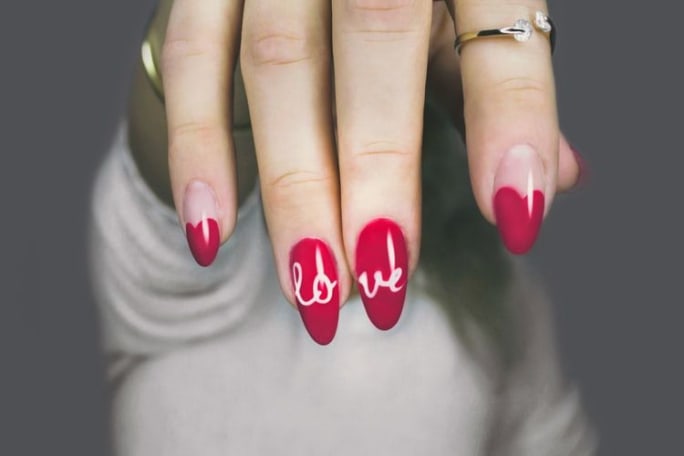
The cost of missed appointments will vary by business. However, it is estimated that the average business operating within the beauty industry will experience five no-shows per week. But what does this mean in terms of cost? Let’s look at gel nails as an example. The average cost of a gel manicure is around $31, according to NAILS’ 2020 Annual Report. Five missed gel nails appointments each week equates to a revenue loss of $8,060 over the course of a year. Fortunately, there are ways to reduce it.
Ad Loading...
1. Make Cancellations Convenient
Consider your target audience. Are you trying to attract a younger audience from the millennial generation? Many millennials may not qualify as “digital natives,” but they’re certainly young enough to have successfully made the shift over to digital processes. Talking on the phone isn’t for them. In fact, a survey by Bank My Cell found that 81% feel they need to summon up the courage to make a phone call.
This generation is more likely to cancel an appointment in advance and provide you with enough notice to refill the slot if they have alternative methods for doing so which don’t involve direct human contact. Providing your clients with an online appointment booking platform can help. There are some great online booking platforms that are very cost-effective to use.
2. Send Appointment Reminders
When no-shows are costing your business money, it’s natural to want to point fingers and direct the blame onto your clients. But it’s important to remember that, in many cases, the reason for missed appointments is simply that a client has forgotten about the appointment. Life is hectic, and things can and do get in the way. So, to reduce the costs of no-shows, try optimizing some of your own internal processes.
Via Unsplash
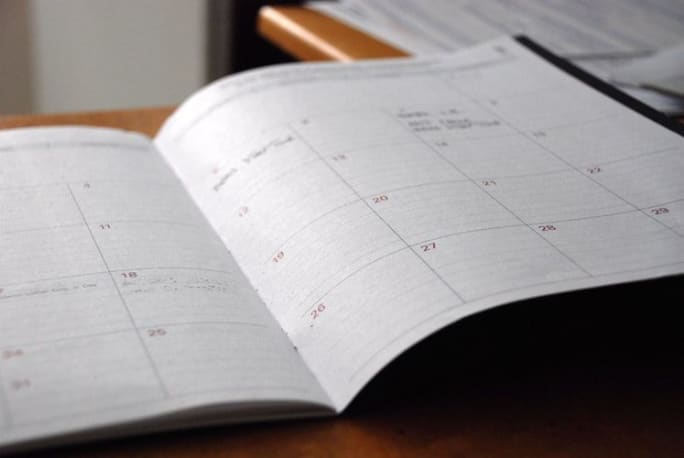
If you don’t already send appointment reminders to your clients, then now is the time to get a reminder system in place. There are lots of different ways to do this, including texts, phone calls, or even written or printed appointment cards sent through the mail. Reminding clients 48 hours prior to an appointment gives them plenty of time to rearrange other plans if they have accidentally double-booked themselves.
3. Invest in Staff Training
All salon owners want the best technicians and practitioners on board, but what does it really mean to be the best? Contrary to popular belief, being “the best” doesn’t mean having a perfect skill; it means exhibiting the ideal combination of technical ability and customer care. Those who aren’t skilled in handling clients may begin to suffer from salon burnout, which can greatly affect client loyalty.
Ad Loading...
Client loyalty is something that salons need to prioritize, especially when striving to reduce the cost of no-shows. Quite simply, a client who feels loyal to a business is less likely to miss an appointment, or at the very least is more likely to cancel with notice. If your staff could benefit from honing their client-facing talents, it may be worthwhile investing time in employee training to help them build stronger relationships.
4. Generate and Circulate a Cancellation Policy
Cancellation policies are a tricky topic. Some salons are for them, some are against them. Some clients are for them, some are against them. But in terms of minimizing the cost of no-shows, having a solid policy in place can help you to recover some of these lost earnings. If you don’t already have a cancellation policy, now is the time to create one, and circulate it to all staff and customers.
There’s really no right or wrong when it comes to generating a cancellation policy, so it’s important to do what feels right to you. Some salons choose to claim back 100% of the cost of a missed appointment, while others will strive to claim back 50% or less. One of the best ways is to request a deposit from your clients, which financially protects you and provides customers with an incentive to attend their booking.
5. Do Something Different
Perhaps one of the simplest ways to reduce no-shows is to do something different; to offer unique services that your clients can’t find anywhere else and make them excited to attend their appointment. Competitor analysis can be very useful here. Take a look at what treatments your closest competitors are offering, and see if you can go above and beyond. How about offering a soap bubble nail art service?
Via Unsplash
If you’re planning to take this approach, it’s essential that you stay on top of all the latest trends within your industry. If you don’t already follow relevant blogs or social media accounts, then this is a good place to get started. You could also enroll in some professional groups, and attend local events and conferences covering trends and movements within your sector. Or try joining a directory or marketplace for salons. Be a pioneer, rather than a follower.
Ad Loading...
{incontentformtoken}
Boost Your Business
With an increasing number of new start-ups, clients have more options available to them than ever before. The five tips we’ve discussed above don’t just help you to reduce the cost of your no-shows, but also work to boost your business, offering your clients more diverse services, enhanced booking features, greater control over their appointment, and standardized policies that increase transparency. By employing these techniques, you can give your salon what it needs to succeed in a competitive world.
Sarah Pelham
Sarah Pelham is the Beauty & Wellness Expert for Bookwell.com.au, an online platform for instant bookings for hair, nails, beauty, and massage appointments. For nearly four years, Sarah has worked closely with hundreds of salon owners within the beauty and wellness industries.
Discover how to create a true “WOW experience” for every client by first building a culture where your team feels engaged, empowered, and inspired. Drawing on Calvin Stovall’s Iconic Framework, this blog explores how salon, spa, and clinic leaders can strengthen culture, elevate customer experience, and build a business that stands out for the long term.
The wellness industry is growing fast, and salons and barbershops already are an important part of it. In her first blog, Tracy Rado shares where the wellness dollars are heading, and how salon's can grow with this movement.
While salon sales are increasing, owners often feel they're working harder for the same or less profit. Leverage Q2 data from The KIM Report, Alain Audet reveals some of the structural changes that are dampening your growth and why your region and your salon size matters.
Weaknesses in your business are amplified during the Holiday Season. Spark Pro Global's Lucy Randall shows you five things to do now to have the strongest holiday season yet.
In Kati Whitledge's latest blog, she shares how salons have moved away from dress codes and embraced appearance standards. But by removing strict dress codes, some businesses may have unintentionally lowered their appearance standards. Whitledge helps you explain to your team why an appearance standard is important and how to smoothly implement a new appearance policy.
The Small Business Health Care Tax Credit is a non-refundable tax credit for for-profit businesses that provides a financial incentive for eligible employers who offer health insurance coverage to their employees. Leticia Skrabut, Esq., walks you through how to claim that credit.
Developing strong work habits early in one's career supports long-term success in the salon industry. Jesse Linares offers new stylists his top five tips.
Most salon owners have no idea what these numbers are.
You can hit record sales and still have a profit problem. The difference comes down to four numbers almost nobody was taught to track.
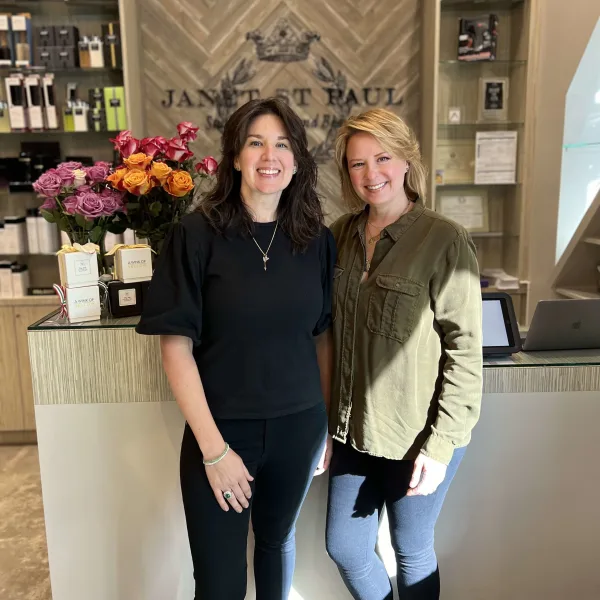
At Janet St. Paul Studio for Hair and Beauty, Director of Operations Natasha McMillen helps bring her wife Janet St. Paul's vision to life, elevating every system from education to operations.
The strongest salons, spas, and med spas know which numbers tell the real story of their business. In this practical guide, Phorest breaks down the five essential KPIs every business should track to improve retention, boost revenue, and make smarter decisions with confidence.
At Bella Style Salon in Slidell, Louisiana, Director of Operations Angela Meyer tackles inventory, team management, and guest relations. Read all about her in our latest Meet the Manager.
Starting at Impressions front desk in 2006 when he was 19 years old, General Manager Paul Petrowsky is a seasoned professional who owner Sarah Taylor says is responsible for much of her own success.
Planning is in full swing for the most anticipated events and promotions for the 2026 holidays. As owners share their favorite ways to celebrate, they prove that a carefully planned event can also build culture, increase client loyalty, boost sales, and set a business up for a successful 2027.
When things run amok at Mane Attraction Salon, Owners Chris and Jenny Knudsen say General Manager Sami Hernandez is their go-to resource and ultimate sounding board. Meet Sami in this installment of Meet the Manager.