40 Years of Beauty: What's Changed and What Hasn't
As Owner David Wagner celebrates the 40th anniversary of Juut Salonspa, he reflects on how the industry has evolved over the decades, and how his Daymaking philosophy has stood the test of time.
by David Wagner, Daymaker and Founder of Juut Salonspa
September 18, 2025
4 min to read
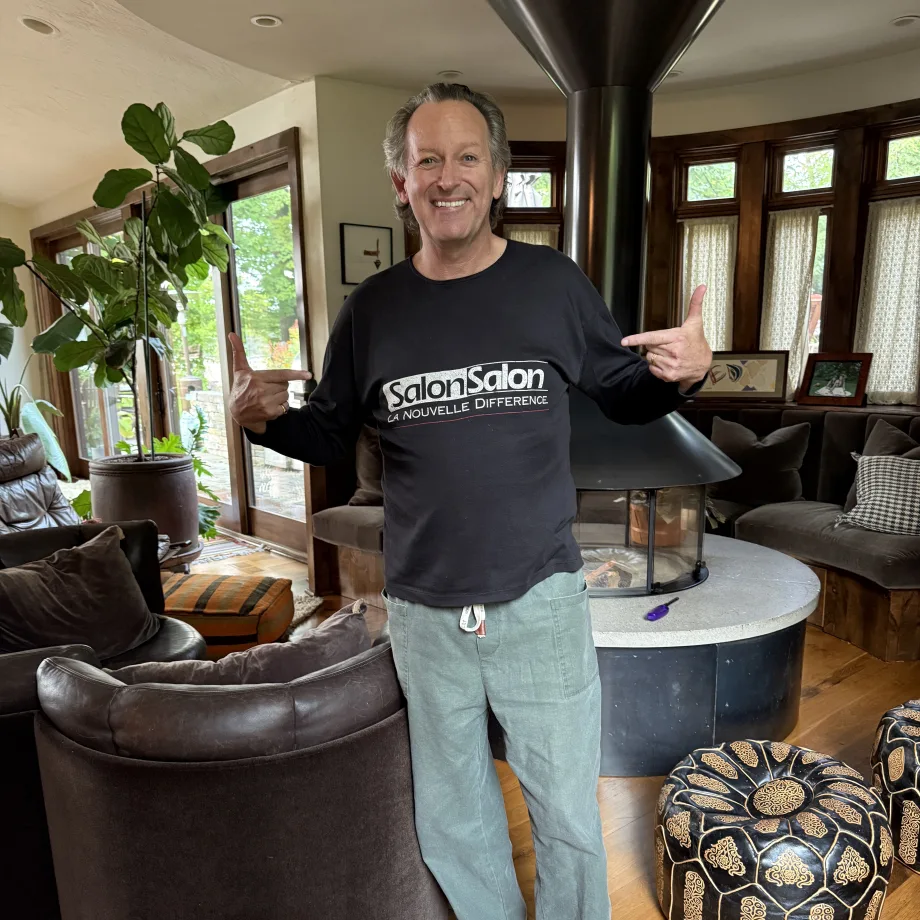
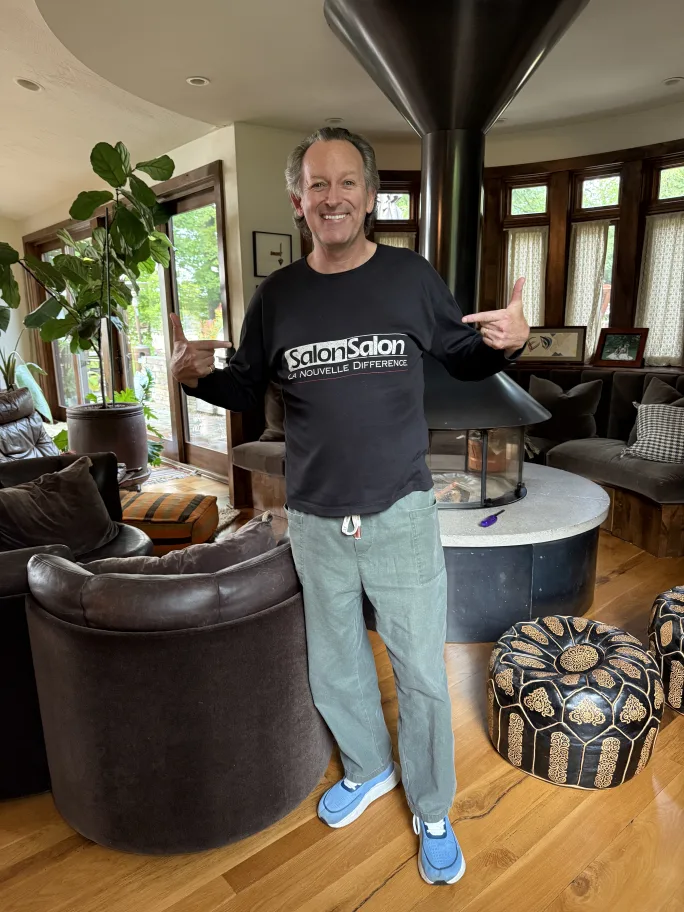
David Wagner tries on a 40-year-old shirt from his first salon.
This year, Juut Salonspa celebrates its 40th anniversary. As I reflect on these past four decades, I’m struck by how much the beauty industry has evolved—and yet, how much of its heart remains exactly the same.
When I opened my first salon, Salon Salon, in Minneapolis in 1985, I couldn’t have imagined the ways our industry would transform. Styles, tools, products, technology, and cultural influences have shifted dramatically, but the essence of why we do what we do has stood the test of time.
Ad Loading...
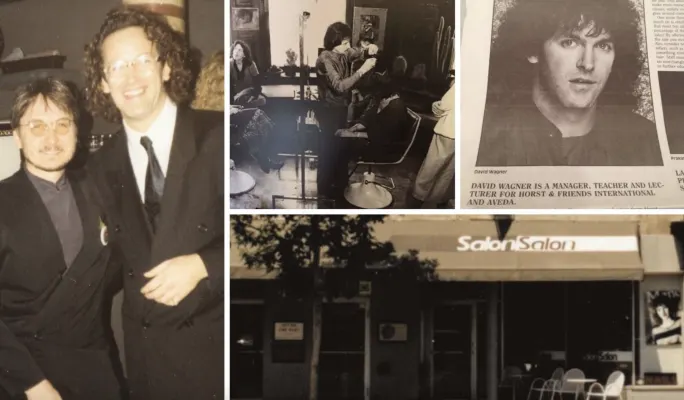
From the scrapbook, (clockwise from left) Aveda Founder Horst Rechelbacher with Wagner, Rechelbacher cutting hair, a profile of Wagner (check out that hair) in a local paper and Salon Salon in Minneapolis.
The Changing Landscape of Beauty
The 1980s: Volume and Power
When Juut’s story began, beauty was all about volume, perms, and bold color. Hair was big, makeup was dramatic, and clients came to the salon seeking transformation that matched the energy of the era. Beauty was power, and the salon chair was the stage.
The 1990s: Minimalism Meets Grunge
The ’90s pulled back the excess of the ’80s. Sleek, minimalist styles emerged alongside the raw, undone edge of grunge. Choppy cuts, textured finishes, and natural tones reflected a cultural desire for authenticity and rebellion.
The 2000s: The Age of Celebrity
From Jennifer Aniston’s “Rachel” cut to red-carpet beauty, celebrities became the ultimate reference point. Salons buzzed with guests bringing in photos of their favorite stars. Flat irons, layered cuts, and glossy lips dominated the decade.
The 2010s: Social Media Takes Over
The rise of Instagram, YouTube, and TikTok changed everything. Beauty trends no longer trickled down from the runway or magazines, they went viral overnight. Balayage, contouring, pastel hair, and “glass skin” spread through tutorials and screenshots. Stylists became influencers, and education went digital.
The 2020s: Individuality and Wellness
Today, beauty is about authenticity. Guests want styles that reflect who they are, not who they’re told to be. Inclusivity and diversity are shaping our industry in profound ways, and the clean beauty and wellness movements are merging artistry with health, mindfulness, and sustainability.
Ad Loading...
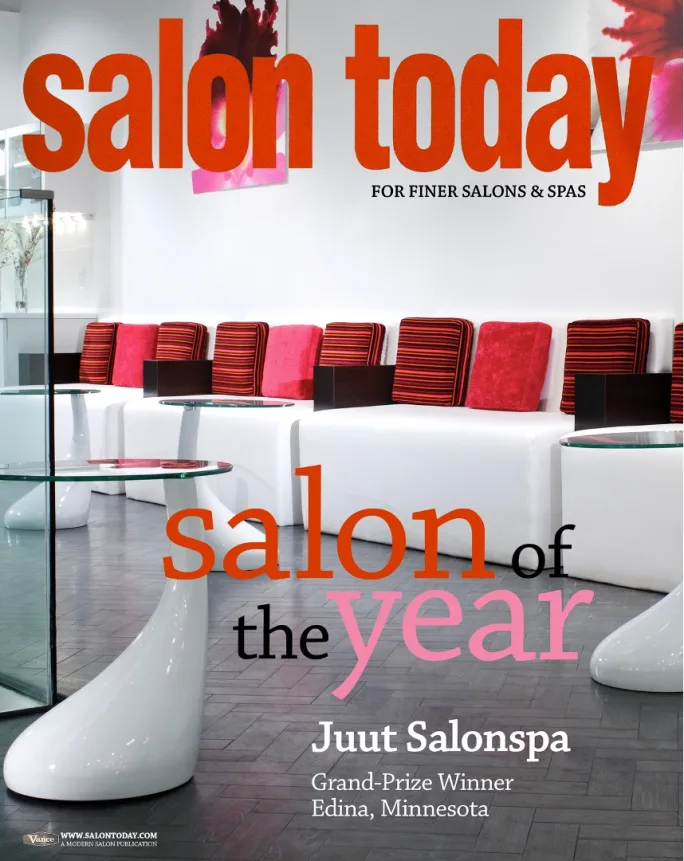
In 2008, Juut Salonspa captures top honors in our SALONS OF THE YEAR.
Industry Shifts Beyond the Chair
Alongside fashion and cultural trends, the business of beauty has undergone seismic shifts:
Consolidation of Product Companies: Independent brands that once defined our shelves have been absorbed into global corporations, changing the nature of innovation and distribution.
Distribution Evolution: Where once the local distributor was the lifeline of every salon, today consolidated networks and digital platforms have taken center stage.
Online Sales: E-commerce has rewritten the rules of retail, requiring salons to rethink how they deliver value beyond convenience.
These changes have demanded resilience, reinvention, and a return to what truly differentiates us: the human experience.
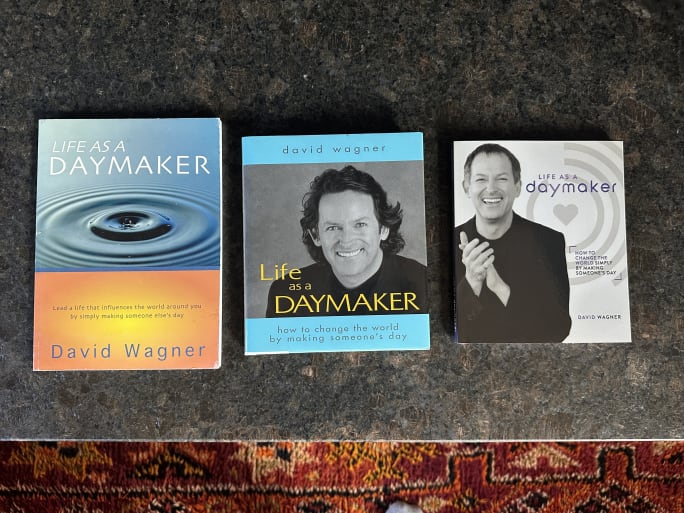
Various reprintings of Wagner's book Life As a Daymaker.
The Daymaker Philosophy
At Juut, that human experience has always been grounded in one simple idea: Daymaking. Born in the late ’80s and shared with the world through my book Life as a Daymaker, this philosophy is rooted in the belief that we can change the world by making someone’s day.
Daymaking is not a marketing slogan—it’s a mindset. It’s the extra smile, the listening ear, the artistry that helps someone feel seen and valued. What started as a way to describe the unique spirit of our salons has grown into a philosophy that resonates throughout the beauty industry and beyond.
Ad Loading...
Since its inception, I’ve seen Daymaking influence how salon professionals view their work. It reframed what it means to be a stylist or service provider—from “doing hair” or “selling services” to uplifting humanity. It gave meaning and language to what so many of us were already doing intuitively.
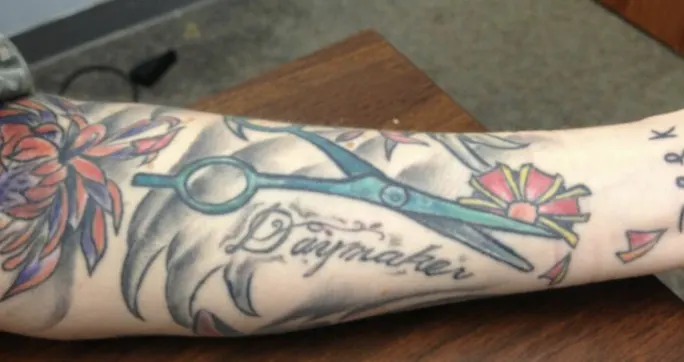
A Daymaker shares his ink.
Daymaking Across Generations
One of the most inspiring things about Daymaking is its universality. Over 40 years, our salons have held multiple generations under one roof—Boomers, Gen X, Millennials, Gen Z, and now even Gen Alpha. Each generation has its own style, its own aspirations, and its own way of working. At times, those differences can feel vast.
And yet, Daymaking crosses every generational divide. The desire to make someone’s day—whether through artistry, care, or kindness—connects us all. It gives common purpose to a 25-year-old stylist just starting out and a 55-year-old stylist with decades of mastery. It creates alignment in a way that trend, technology, or compensation models never could.
In fact, I believe the world needs Daymakers now more than ever. In an era marked by disconnection, division, and digital overwhelm, the simple act of being fully present with another human being is radical. And beauty professionals are uniquely positioned to do it—one guest at a time.
What Hasn’t Changed
Despite all the change, some things have never shifted:
Ad Loading...
The Salon as Sanctuary: Guests continue to seek not just services, but connection, care, and renewal.
Artistry and Craft: Creativity and skill remain the backbone of our industry.
Transformation as Power: Beauty has always been about more than appearance—it’s about confidence and healing.
Relationships First: Guests may remember the style, but they always return for the trust and the person behind the chair.\
Looking Ahead
As we move into the next 40 years, I believe beauty will continue to evolve at the speed of culture.
Technology, commerce, and generational change will keep us on our toes. But the essence of what we do will never change: uplifting humanity through beauty.
That’s the promise of Daymaking. It’s why we started, it’s why we’re still here, and it’s why the future of our industry is brighter than ever.
Here’s to the past four decades of transformation, and to a future where Daymakers lead the way.
Discover how to create a true “WOW experience” for every client by first building a culture where your team feels engaged, empowered, and inspired. Drawing on Calvin Stovall’s Iconic Framework, this blog explores how salon, spa, and clinic leaders can strengthen culture, elevate customer experience, and build a business that stands out for the long term.
The wellness industry is growing fast, and salons and barbershops already are an important part of it. In her first blog, Tracy Rado shares where the wellness dollars are heading, and how salon's can grow with this movement.
While salon sales are increasing, owners often feel they're working harder for the same or less profit. Leverage Q2 data from The KIM Report, Alain Audet reveals some of the structural changes that are dampening your growth and why your region and your salon size matters.
Weaknesses in your business are amplified during the Holiday Season. Spark Pro Global's Lucy Randall shows you five things to do now to have the strongest holiday season yet.
In Kati Whitledge's latest blog, she shares how salons have moved away from dress codes and embraced appearance standards. But by removing strict dress codes, some businesses may have unintentionally lowered their appearance standards. Whitledge helps you explain to your team why an appearance standard is important and how to smoothly implement a new appearance policy.
The Small Business Health Care Tax Credit is a non-refundable tax credit for for-profit businesses that provides a financial incentive for eligible employers who offer health insurance coverage to their employees. Leticia Skrabut, Esq., walks you through how to claim that credit.
Developing strong work habits early in one's career supports long-term success in the salon industry. Jesse Linares offers new stylists his top five tips.
Most salon owners have no idea what these numbers are.
You can hit record sales and still have a profit problem. The difference comes down to four numbers almost nobody was taught to track.
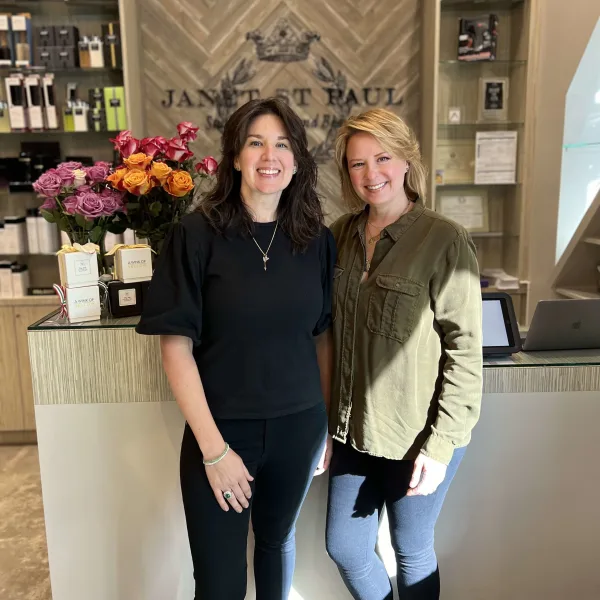
At Janet St. Paul Studio for Hair and Beauty, Director of Operations Natasha McMillen helps bring her wife Janet St. Paul's vision to life, elevating every system from education to operations.
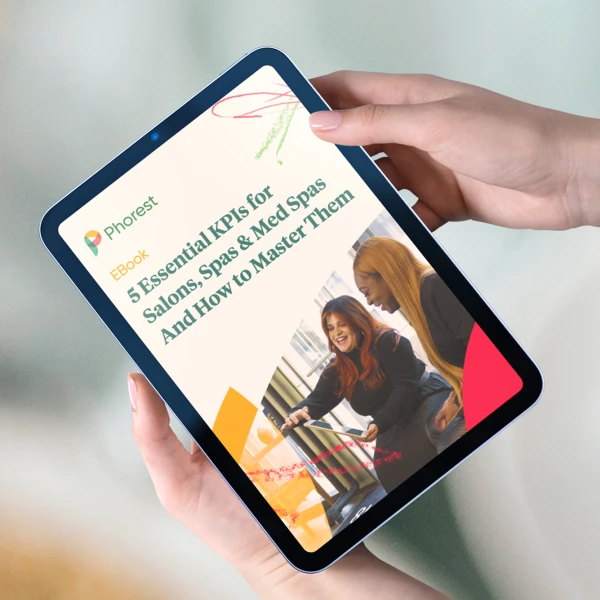
The strongest salons, spas, and med spas know which numbers tell the real story of their business. In this practical guide, Phorest breaks down the five essential KPIs every business should track to improve retention, boost revenue, and make smarter decisions with confidence.
At Bella Style Salon in Slidell, Louisiana, Director of Operations Angela Meyer tackles inventory, team management, and guest relations. Read all about her in our latest Meet the Manager.
Starting at Impressions front desk in 2006 when he was 19 years old, General Manager Paul Petrowsky is a seasoned professional who owner Sarah Taylor says is responsible for much of her own success.
Planning is in full swing for the most anticipated events and promotions for the 2026 holidays. As owners share their favorite ways to celebrate, they prove that a carefully planned event can also build culture, increase client loyalty, boost sales, and set a business up for a successful 2027.
When things run amok at Mane Attraction Salon, Owners Chris and Jenny Knudsen say General Manager Sami Hernandez is their go-to resource and ultimate sounding board. Meet Sami in this installment of Meet the Manager.