It’s the end of the world as we know it ... but I feel fine … and so should you!
It seems that R.E.M.’s 1987 hit with the same name was prophetic. COVID-19 has certainly ended the world as we know it, but it cannot rob us of “feeling fine” in the new world we are ready to explore.
The New Normal
A few weeks ago, I spoke with Lauren Gartland, Founder and President of Inspiring Champions, about the challenges facing the salon industry in the post-COVID world. Lauren, one of the most optimistic and positive people I have ever known, even during these trying times, expressed a deep desire to support salon owners, their teams and guests by providing transformational support on navigating this “new normal,” with in-depth guidance on understanding and managing the legal risk that comes with reopening in a completely new environment. As an attorney, my ears perked up, and we got to work on creating something that would deliver on her promise, a COVID-19 Salon Protection Blueprint.
As we dug into the details, one gnawing issue kept coming up again and again - the paralyzing fear of what would happen if a team member or guest claims they got COVID-19 while at the salon. Can they sue? Can I lose everything?
Enter the “hold harmless waiver.”
The Hold Harmless Waiver: What exactly is it?
A hold harmless waiver, also referred to as a liability waiver or release of liability, allows you to notify your guests that you understand the risks, dangers, possible injuries, and losses involved in providing your services in a particular place and at a particular time. It also gives your guests the opportunity, prior to receiving your services, to accept those risks with full knowledge of the possible harm, and release you from any liability associated with it.
Hold harmless waivers can be used with, or in addition to, your existing contracts. It is not uncommon for them to be stand alone documents.
The Hold Harmless Waiver: Why is it important?
Introducing a hold harmless waiver to your guest service process is particularly wise right now given the unknown nature and risk of contracting COVID-19 in the provision of various salon services. It is difficult for salon owners, stylists, nail technicians, and the like, to fully mitigate or limit the risk of unintended infection when they don’t even understand everything that creates the risk or danger in the first place. The waiver provides service providers with the opportunity to explain the risk more fully at the outset, and also explain what they are doing to mitigate it as best as possible.
When your guests sign the waiver, they are acknowledging three things:
They have been notified of the risks associated with coming to your business and receiving your services.
They understand what could go wrong by receiving your services.
They won’t hold you responsible if things don’t go well.
The Hold Harmless Waiver: Is it enforceable?
Hold harmless, or limited liability waivers, are not always valid or enforceable, so it’s very important to check with an attorney (preferably one you know, like and trust) in your state before relying on one to be airtight.
Here are some examples of when a hold harmless waiver may not be enforceable:
It’s Against the Law: Some states prohibit hold harmless waivers in various, or sometimes all, situations. While these situations are usually extremely dangerous and carry very high risk, such as construction sites, it is very important to check with an attorney to be sure there aren’t any state-specific rules you need to know about.
It’s Against Public Interest: Hold harmless waivers aren’t enforceable in situations where limiting a company’s liability would be against the public’s interests, such as not holding a cruise line, or airline, responsible for harm from an accident or crash. You simply can’t “contract away” liability in certain circumstances.
It’s Difficult to Read or Understand: If the waiver is written in “mumbo jumbo” and nearly impossible for a reasonable person to understand, then it may be considered unenforceable. Similarly, if the waiver is written in a teeny-tiny font and is difficult for most people to read, it may not hold up in court either. In legal terms, we say the language must be “clear and unambiguous” and “conspicuous” (easy to notice).
Not in Writing and Not Signed by All Parties: While some oral agreements are enforceable, this one needs to be in writing and signed by both parties. This is not time for a “he said / she said.” Both parties need to provide clear consent to the terms: the salon is taking precautions, and the guests aren’t going to hold the salon liable if things go wrong.
The Hold Harmless Waiver: What information do you need for it?
As noted above, hold harmless waivers can be part of a larger contract, or a stand alone document. Regardless, here are things that you need to have in hand before completing one:
The names of the businesses and/or people entering into the agreement, such as the salon and the guest.
The location where the services are being provided.
The type of services being provided - be specific.
The date the agreement starts and ends.
The range of possible risks, dangers, injuries, and losses that could happen by receiving the services.
There are other legal terms that must be included, but the above is the minimum information you need on hand to give to an attorney or include in a template you purchase.
The Bottom Line
A well-written hold harmless agreement isn’t a panacea or the ultimate cure-all, but, combined with common sense modifications to your processes and procedures, it significantly enhances your chances of coming out of a would-be disaster unscathed, and most importantly, still in business.
As the song goes, yes, it is the end of the world as we know it, but we can all feel fine as we explore the new world that is before us.
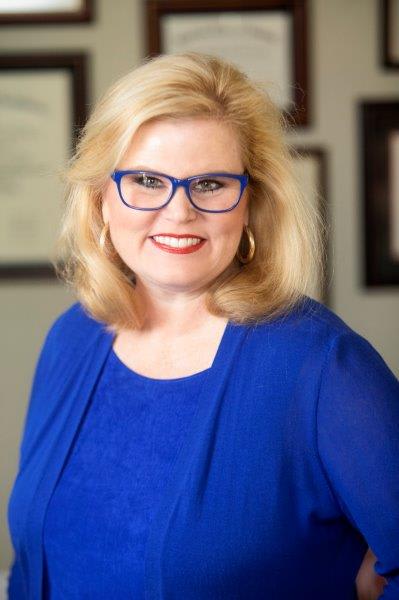
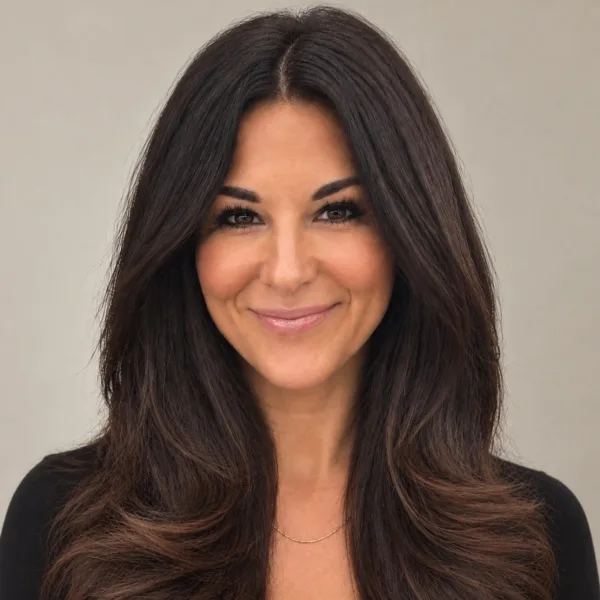
About the Author:Kelley Keller, Esq. is an intellectual property (IP) and small business attorney, entrepreneur, and strategic business educator with nearly 25 years of experience in the IP field. She provides legal services and business education to small business owners, thought leaders, creative and coaching professionals, digital entrepreneurs, and established businesses about starting, building, and growing a strong, sustainable, wealth-generating business.