People lose their hair for any number of reasons – hormones, genetics and aging, among others – but in the middle of a pandemic-fueled recession, one factor is taking center stage: Stress.
“Stress certainly can contribute to hair loss because it can affect hormone levels,” says Dr. Patrick Angelos (drpatrickangelos.com), author of The Science and Art of Hair Restoration: A Patient’s Guide. “Any number of stressful events can lead to a sudden loss of hair, although in those cases the hair typically will grow back over time.”
Ad Loading...
For more permanent hair-loss concerns, Angelos, a plastic surgeon who specializes in hair restoration, uses robotic treatment to help patients regain their beloved locks. That process involves an advanced, minimally invasive hair transplant system that uses technology driven by artificial intelligence.
“Among the reasons patients consider hair restoration is that they want to get back some of their youthful look and feel better about themselves,” Angelos says. “Helping them accomplish that is one of the great satisfactions I get from being a plastic surgeon.”
But for those who want to keep their hair healthy and full now and who hope to avoid ever reaching the point where they need hair-loss intervention, Angelos offers a few tips:
Maintain good hair care and hygiene habits. The way you wash your hair could undermine your efforts to prevent hair loss, Angelos says. As you wash, avoid pulling back on your hair because that can put traction on the follicles. “The same goes for combing,” he says. “It’s less stressful on the follicles to wash and comb your hair forward, toward your face, instead of toward the back of your scalp and neck. Also, long hair weighs more, so on its own, it can put more traction on the follicles.” Brushing your hair regularly, however, is good because it massages the scalp and helps improve blood flow and circulation. The condition of your hair should also be in balance – not too oily, not too dry. “Finally, don’t overuse a hair dryer because that can make hair weak and brittle, which can lead to more hair loss,” Angelos says.
Treat health issues. Hormonal imbalances and other medical conditions such as low thyroid and iron or iodine deficiency can contribute to hair loss, Angelos says. “Avoid overuse of supplements and medications,” he says. “Since supplements such as testosterone, human growth hormone, whey, and DHEA can cause thinning and hair loss, especially avoid excessive use of these.”
Be aware of your nutritional needs. Some fad diets may have a nutritional impact on hair loss. “It’s really important to eat a healthy balance of carbohydrates, proteins, and fat,” Angelos says. He also recommends taking a multivitamin that includes vitamins A, B complex, C, D and E, along with the minerals zinc, iodine and iron, all of which help with hair health.
Avoid unhealthy environments. The negative health effects of smoking are well known, especially related to lung cancer. But one more reason to avoid smoking, Angelos says, is that it can affect hair loss. In addition to smoking, other environmental factors that can contribute to hair loss include environmental exposures like radiation and air pollution.
When efforts to prevent hair loss fall short, those who prefer to avoid baldness can explore the possibilities that modern science provides.
Ad Loading...
“Not every patient needs hair transplantation, though,” Angelos says. “Especially when it comes to younger patients, it may be best to start with other options. Since the reasons for hair loss vary from person to person and are unique to their circumstances, a good place to start is by determining the cause of hair loss in the first place, and then go from there.”
About Dr. Patrick Angelos: Dr. Patrick Angelos (drpatrickangelos.com), author of The Science and Art of Hair Restoration: A Patient’s Guide, is a facial plastic and reconstructive surgeon whose primary surgical interests include hair restoration and facial plastic surgery. He is certified by the American Board of Facial Plastic and Reconstructive Surgery and the American Board of Otolaryngology.
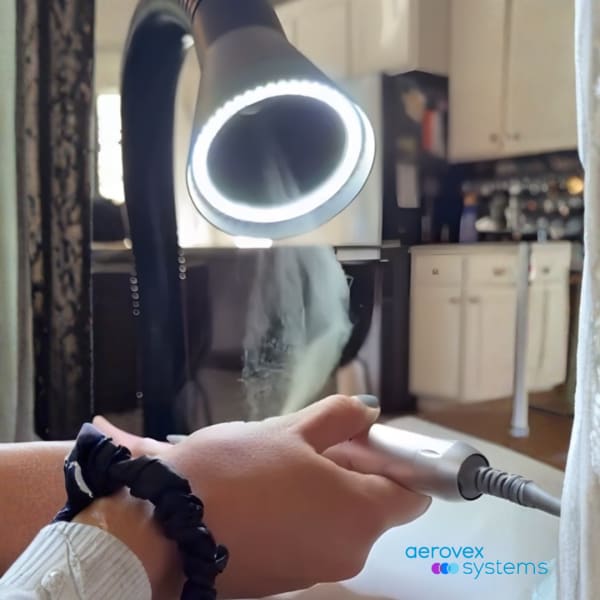
Both systems capture vapors and dust right at the nail table. The difference is where that air goes next, and that one detail can decide whether your salon passes inspection.
Your guest decides what kind of salon this is in the first ten seconds, long before she is in the chair, and scent is the piece most owners leave to chance. Aura House co-owner Leif Frey lays out what ambient scent can and cannot do, why air quality is an engineering question rather than a fragrance one, and the four decisions that matter more than the scent you choose.
You do not need to be a therapist to listen well. You do need to know where your role begins and ends. In her first blog for SALON TODAY, Modjossorica (Rica) Elysée shares five ways you and your team members can respond with care.
Your body doesn't necessarily tell the difference between a promotion and a deadline. In her first wellness blog for SALON TODAY, Wellify Co-Founder Laura Fuqua explains why even good stress has an impact.
Popping up across the UK, Menopause Cafés are helping women seek professional help with their menopause journeys. What better place to play host to one of these gatherings than a spa?
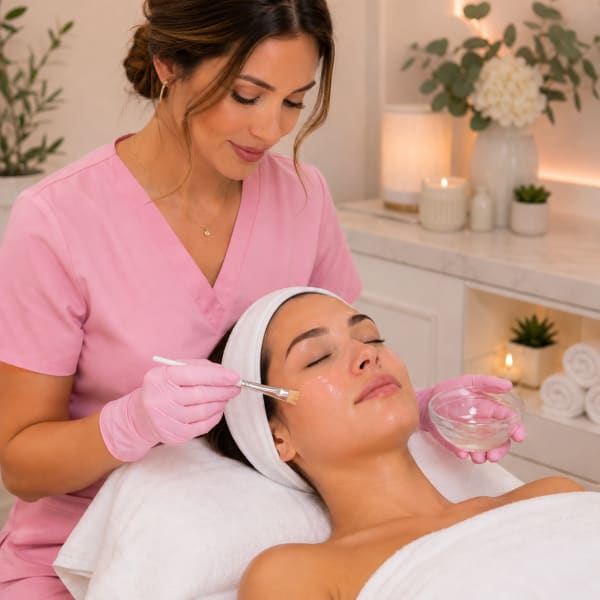
New services on the menu can create new opportunities, but they can also expose your business to greater liability. SASSI's Kathy Lopez shares a few services that pose greater risk, discusses some of the mistakes owners make when expanding their menus, and lists simple risk management strategies.
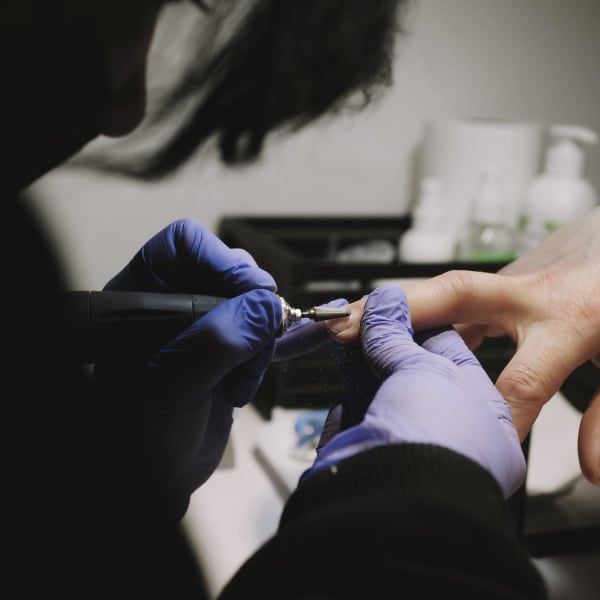
From acrylic monomers to airborne bio-dust, the air inside a nail salon carries risks most professionals never see coming. Aerovex Systems reveals the source-capture and room-purification strategies that are setting a new standard for salon safety.
Good hair starts at the scalp. But most salons aren’t offering services or products that address scalp health. Relish, a new product line from the founders of Signature Formulations, has everything salons need to deliver an effective head spa service and offer guests a robust at-home scalp care line.
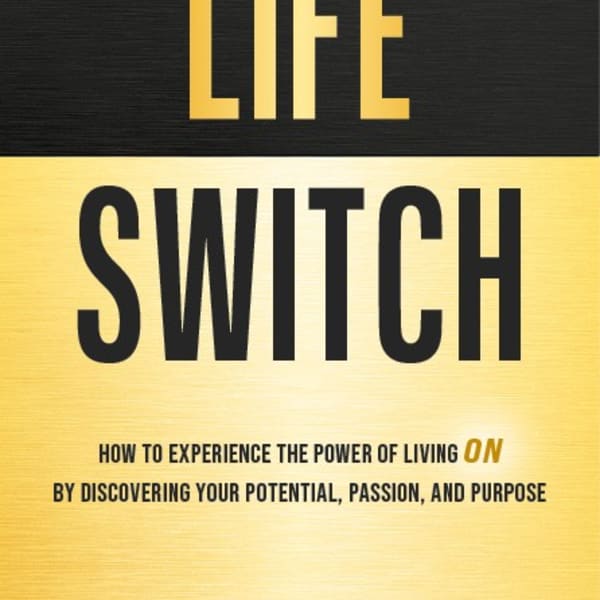
A new book by Joel Steele shows that the most powerful change people can make is to think differently if they want different results. The author believes in the 'Life Switch' so fervently that he's willing to donate $1 million from book sales when he sells his millionth copy.
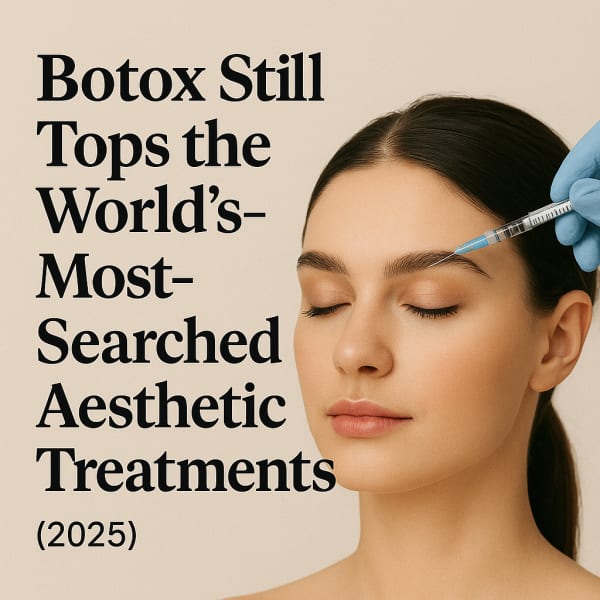
New global search data from beauty and wellness booking platform Fresha reveals that Botox remains the world’s most in-demand aesthetic treatment in 2025—but regenerative “tweakments” like polynucleotide injections, thread lifts and IV drips are seeing explosive growth across key markets.
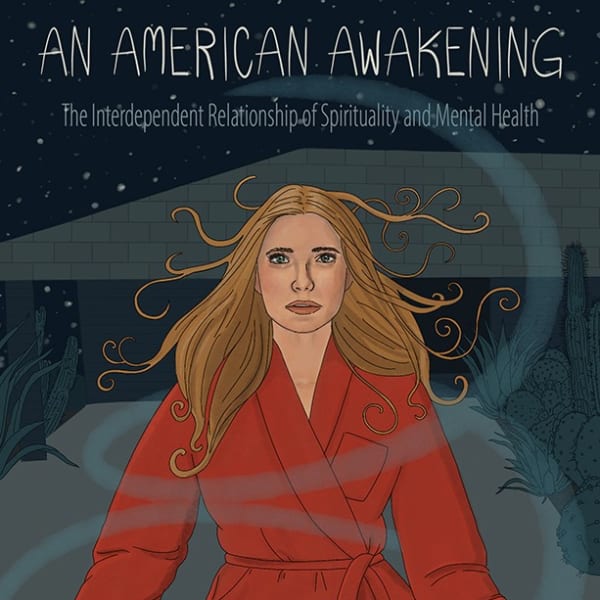
As rates of anxiety, depression, and substance use continue to climb across the U.S., conversations around mental health are more urgent than ever—yet one crucial perspective remains missing. In her captivating new book, Aymie Daniels introduces the little-known concept of “Spiritual Emergency” and opens a timely conversation about how America understands (and often mislabels) extreme psychological states.