






You Don't Own a Salon. You Own A Business.
In his latest blog, Leon Alexander Ph.D., challenges industry conventional thinking to help owners add more to their bottom lines.
 MENU
 SEARCH
With the benchmark of retail success in this industry hovering around an ambitious 30 percent of total receipts, it takes some effort for a salon to fulfill its retail potential. When your business carries a personalized brand, all the general ...
With the benchmark of retail success in this industry hovering around an ambitious 30 percent of total receipts, it takes some effort for a salon to fulfill its retail potential.
When your business carries a personalized brand, all the general guidelines that govern effective retailing still apply, according to Falina Marihart, a retail specialist with EKO Marketing & Design, which works with Aware Personalized Branding to create customized merchandising and marketing materials that support personalized brands specifically for salons and spas. Marihart identifies 10 principles to follow:
Select products that have quality and value.
There's no faking the formula; you clients will purchase only fairly priced products that do a great job. This where a company like Aware Personalized Branding really stands apart from other manufacturers. Aware has the experience and extensive industry involvement to continually provide the most current product innovations in the industry.
Develop a consistent, coherent brand.
Know who you are! Your brand should identify you and communicate your beliefs about providing salon services. "'Hair by Jan' is not a brand," says Marihart.
Create an attractive logo and appealing product packaging.
If you have a clinically driven medispa, make sure the label looks clean and sleek. If you brand skews more homey/comfy, dress your products to deliver that message. Aware Products provides a diversity of packaging and graphics options to mirror any salon brand.
Invest in professional photography.
Everything you print up, from window banners to newspaper ads, should communicate your commitment to high quality. "You're competing with store brands," Marihart reminds store owners.
Use only professionally designed marketing materials.
Your business cards, salon menus, direct mail pieces and website represent you to the world. Anything short of top-flight fails to convey how highly you regard your clients and how seriously you take your products and your brand.
Optimize the use of in-store space.
"Make sure you have an adequate amount of signage in your salon," cautions Marihart. "Mix it up with posters, banners, framed signs, window art, mirror clings, mural prints, shelf-talkers, and point-of-purchase displays." At the same time, don't overdo it! "Keep it focused, not cluttered," she adds.
Conduct product knowledge training.
"When it comes to moving product, your stylist must use it, believe it and sell it!" Marihart asserts.
Work your client base.
"Make sure you have the digital means to reach your clientele," recommends Marihart. The ability to track your clients' purchases will bring you to the next level of retail sophistication, enabling you to employe cost-effective, targeted e-blasts, website promotion and direct mail.
Keep your website updated.
Clients have come to rely on the accuracy of online information. Ideas for regular updating include maintaining a "what's new" section, featuring a "special promotions" page, incorporating a blog or designating an announcements box on your homepage.
Reach out.
Charitable and cultural events, school presentations and business partnerships are just some of the ways to become part of the fabric of your neighborhood.
Marihart advised salon owners to designate a person who's responsible for coordinating the promotional efforts. "Often, that's the manager, but it can be a stylist who enjoys this," she says. "Where salons sometimes go wrong is that they start doing it piece by piece, using different vendors and lacking any big-picture marketing campaign. There can be a fear that a full campaign will cost a lot of money. But crafting a well-thought-out plan will be more effective and save you money in the end."
In his latest blog, Leon Alexander Ph.D., challenges industry conventional thinking to help owners add more to their bottom lines.

In her latest blog, Amy Pal helps you develop your own clear guidelines around complimentary free employee services.
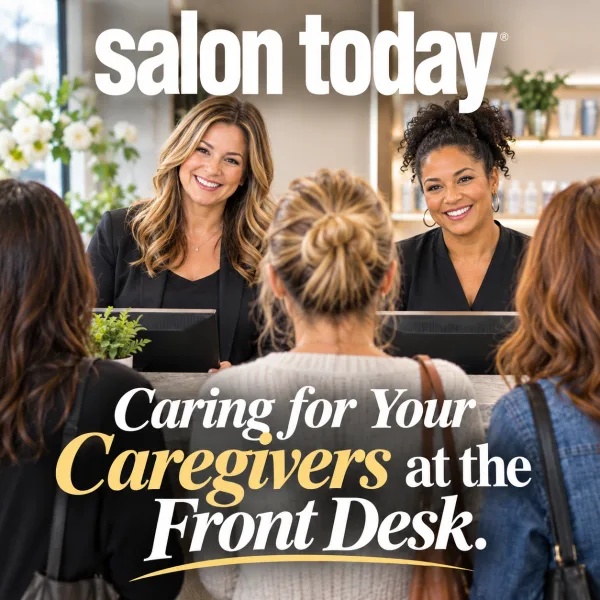
From managing air traffic on busy days to handling frustrated guests' complaints, your front desk team often serves as the salon's emotional shock absorber. From a customer service lesson from the DMV to a list of strategies for caring for your front line, our experts offer ideas for alleviating stress, celebrating wins, and setting goals.

According to the KIM Report, top-line salon revenue appears steady or slightly up, but that growth is driven primarily by service price increases. Beneath the surface, retail performance and client visit frequency (appointment drift) are under real pressure. In his latest blog, Alain Audet offers strategies for keeping your salon's retail sales strong.

Putting your family to work in the salon offers some real tax benefits, but you have you have to play by the rules of the tax code to claim them. Azarvand Tax Law's Leticia Skrabut, Esq., shows you how.

Discover how to create a true “WOW experience” for every client by first building a culture where your team feels engaged, empowered, and inspired. Drawing on Calvin Stovall’s Iconic Framework, this blog explores how salon, spa, and clinic leaders can strengthen culture, elevate customer experience, and build a business that stands out for the long term.
Sponsored by Phorest Salon Software

The wellness industry is growing fast, and salons and barbershops already are an important part of it. In her first blog, Tracy Rado shares where the wellness dollars are heading, and how salons can grow with this movement.

While salon sales are increasing, owners often feel they're working harder for the same or less profit. Leverage Q2 data from The KIM Report, Alain Audet reveals some of the structural changes that are dampening your growth and why your region and your salon size matters.

Weaknesses in your business are amplified during the Holiday Season. Spark Pro Global's Lucy Randall shows you five things to do now to have the strongest holiday season yet.

In Kati Whitledge's latest blog, she shares how salons have moved away from dress codes and embraced appearance standards. But by removing strict dress codes, some businesses may have unintentionally lowered their appearance standards. Whitledge helps you explain to your team why an appearance standard is important and how to smoothly implement a new appearance policy.

The Small Business Health Care Tax Credit is a non-refundable tax credit for for-profit businesses that provides a financial incentive for eligible employers who offer health insurance coverage to their employees. Leticia Skrabut, Esq., walks you through how to claim that credit.

Developing strong work habits early in one's career supports long-term success in the salon industry. Jesse Linares offers new stylists his top five tips.

Most salon owners have no idea what these numbers are. You can hit record sales and still have a profit problem. The difference comes down to four numbers almost nobody was taught to track.
Sponsored by Strata Salon Systems™

A five-area audit every owner-dependent salon needs to run. You built something that looks successful. Now find out if it can survive without you.
Sponsored by Strata Salon Systems™

Every month you put off fixing the problem, it gets bigger, more expensive, and harder to solve.
Sponsored by Strata Salon Systems™
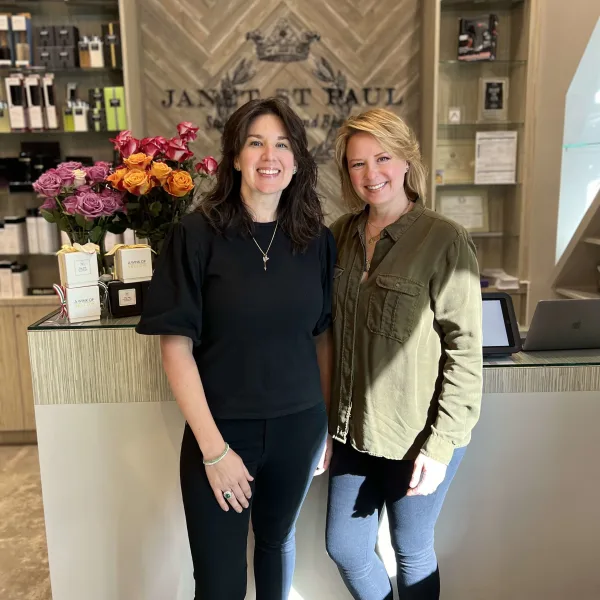
At Janet St. Paul Studio for Hair and Beauty, Director of Operations Natasha McMillen helps bring her wife Janet St. Paul's vision to life, elevating every system from education to operations.

Expand your color service menu with the Pinstripe technique. Brooks and Brooks' Marlon Hawkins walks you through the technique.