Techonology is even finding its way into the color room. Recently, a team that supplies 60 percent of the color formulation for the paint and ink industry got to thinking: why can’t the same technology be applied to ensure error-free, waste-free hair color dispensing at the salon?
Techonology is even finding its way into the color room. Recently, a team that supplies 60 percent of the color formulation for the paint and ink industry got to thinking: why can’t the same technology be applied to ensure error-free, waste-free hair color dispensing at the salon? The result of that conversation is SureTint, which early independent testing shows is up to seven times more accurate than conventional mixing. Providing guidelines for new colorists while giving experienced colorists freedom to create new formulas, the SureTint system also captures important data.
Invented by two salon owners, Color Tracking Systems controls the waste of color developer
by between 10 and 50 percent.
“SureTint keeps track of every color that’s dispensed in real-time mode and correlates it with the client and with the colorist, also tracking grams by hue and by service,” says CEO Joe Rygiel. “That provides a lot of information to help manage the color room.”
Ad Loading...
The SureTint Blending Station includes a precision electronic SmartScale, LCD Touch Screen Monitor, Card Reader Scanner, custom compact keyboard and Color Management Software to guide users through the blending process. After testing SureTint for three months, Xenon International Academy in Wichita, Kansas, reported about 30 percent less color consumption and waste, according to SureTint founder Mitch Saranow.
“This is part inventory management and part formulation control,” says Dina Elliot, a consultant to the company. “And there is a full educational program delivered in salons so that every colorist at each level of proficiency, as well as the salon management team, can use it expertly.”
Taking a different direction, two prominent salon owners created Color Tracking Systems to control the waste of the color developer by between 10 and 50 percent, according to the company, which also promotes it as a training tool.
“Some hair color comes in tubes, some is liquid, some is aerosol,” says Color Tracking co-founder Frank Gironda. “But they all need developer.” Programmed from the front desk, the Color Tracking dispenser provides the precise amount of developer the colorist directs. The system issues reports detailing developer usage by colorist, type of developer and time of service.
Gironda emphasizes it’s not only about saving money. “When you pour a little too much and have more developer than you need, people think that’s no big deal,” he notes. “But you could wind up not getting the gray coverage you expect. Or, if you don’t use enough developer, the color will go dark. When the client complains, nobody ever thinks that the problem was using too much developer. They blame the color line or think they didn’t leave it on long enough. By giving colorists exactly what they need, they’ll achieve more consistent color and have happier clients.”
Ad Loading...
Consistency is key, agrees Color Tracking Systems partner Chris Damolaris. “The caps are not left open on the developer, so it’s not oxidizing,” Damolaris says. “Our staff likes it. This is so much faster than opening the bottle, measuring it and pouring it into the beaker and then into the bowl. Now you’re just dispensing right into the bowl and not leaving a coating on the beaker. A lot of little benefits came out of it.”
Investing in dispensing technology pays for itself, maintains Gironda. “We wanted everybody to be able to get into this,” he says, “so we’ve arranged with the leasing company to finance it 100 percent with no money down. People are already paying for this machine with their color waste without knowing it. Saving less than one tube of hair color per day will pay for this machine.”
Discover how to create a true “WOW experience” for every client by first building a culture where your team feels engaged, empowered, and inspired. Drawing on Calvin Stovall’s Iconic Framework, this blog explores how salon, spa, and clinic leaders can strengthen culture, elevate customer experience, and build a business that stands out for the long term.
The wellness industry is growing fast, and salons and barbershops already are an important part of it. In her first blog, Tracy Rado shares where the wellness dollars are heading, and how salon's can grow with this movement.
While salon sales are increasing, owners often feel they're working harder for the same or less profit. Leverage Q2 data from The KIM Report, Alain Audet reveals some of the structural changes that are dampening your growth and why your region and your salon size matters.
Weaknesses in your business are amplified during the Holiday Season. Spark Pro Global's Lucy Randall shows you five things to do now to have the strongest holiday season yet.
In Kati Whitledge's latest blog, she shares how salons have moved away from dress codes and embraced appearance standards. But by removing strict dress codes, some businesses may have unintentionally lowered their appearance standards. Whitledge helps you explain to your team why an appearance standard is important and how to smoothly implement a new appearance policy.
The Small Business Health Care Tax Credit is a non-refundable tax credit for for-profit businesses that provides a financial incentive for eligible employers who offer health insurance coverage to their employees. Leticia Skrabut, Esq., walks you through how to claim that credit.
Developing strong work habits early in one's career supports long-term success in the salon industry. Jesse Linares offers new stylists his top five tips.
Most salon owners have no idea what these numbers are.
You can hit record sales and still have a profit problem. The difference comes down to four numbers almost nobody was taught to track.
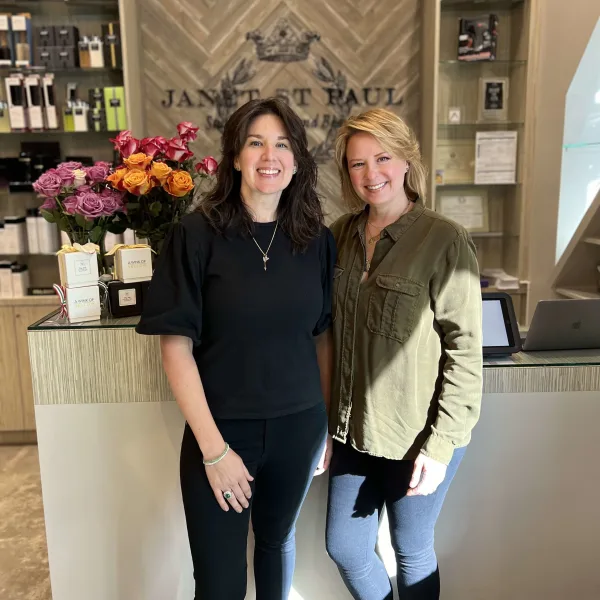
At Janet St. Paul Studio for Hair and Beauty, Director of Operations Natasha McMillen helps bring her wife Janet St. Paul's vision to life, elevating every system from education to operations.
The strongest salons, spas, and med spas know which numbers tell the real story of their business. In this practical guide, Phorest breaks down the five essential KPIs every business should track to improve retention, boost revenue, and make smarter decisions with confidence.
At Bella Style Salon in Slidell, Louisiana, Director of Operations Angela Meyer tackles inventory, team management, and guest relations. Read all about her in our latest Meet the Manager.
Starting at Impressions front desk in 2006 when he was 19 years old, General Manager Paul Petrowsky is a seasoned professional who owner Sarah Taylor says is responsible for much of her own success.
Planning is in full swing for the most anticipated events and promotions for the 2026 holidays. As owners share their favorite ways to celebrate, they prove that a carefully planned event can also build culture, increase client loyalty, boost sales, and set a business up for a successful 2027.
When things run amok at Mane Attraction Salon, Owners Chris and Jenny Knudsen say General Manager Sami Hernandez is their go-to resource and ultimate sounding board. Meet Sami in this installment of Meet the Manager.