Airlines, grocery stores, bookstores, pharmacies, restaurants and retailers—today, it seems every business has a loyalty program with an identifying member card.
Airlines, grocery stores, bookstores, pharmacies, restaurants and retailers—today, it seems every business has a loyalty program with an identifying member card.
Since 2005 the Teddie Kossof Salon in Northfi eld, Illinois, has given clients back nearly $150,000 in reward dollars through Millennium’s loyalty module. “We know for a fact this has helped our client retention,” says COO Alan Kossof (on right, pictured with father Teddie). “Based on key growth indicators and other business reports, we exceed the industry standard in retention and have no doubt that if it wasn’t for this program, we wouldn’t be where we are today.”
“Loyalty reward programs have become somewhat of an expectation for consumers—they are used to having them,” says John Harms, founder of Millennium Software. “But for a salon to reward points simply for every dollar spent doesn’t make much sense—it doesn’t really change client behavior, it just has the salon giving money away.”
Ad Loading...
To design the loyalty program for Millennium, Harms instead looked at key growth indicators, such as average ticket, frequency of visit and retention, and looked at rewarding client behaviors that could positively impact for those indicators. Through their software, Millennium users have the flexibility to give their clients reward points for things like prebooking, referring their friends, booking appointments online, purchasing gift cards, trying a new service, completing a certain number of services in a certain timeframe (for example, 12 hair cuts in one year) or purchasing retail above a specified threshold (for example, more than $50 per ticket).
“For example, having a new client prebook her next appointment is very valuable because it’s a good indicator you’ll retain that new client. So some salons structure it to give a lot of points to the new client who prebooks before she leaves. But the beauty in the system is she can’t redeem those points until after she’s returned for that second service,” explains Harms. For example, if Susan refers her friend Julie, Susan doesn’t get her loyalty points until after Julie comes in and purchases a service.
Salon and spa owners not only have control over what behaviors earn points, they also can decide for what clients can redeem their points. But Harms offers some guidelines. “You don’t want them using points to pay for part of a service–they need to purchase whole items,” he says. “I’ve also seen one salon who only allowed points to be redeemed for gift cards in increments of $25. While the client could turn around and use those for her own salon, the thinking behind this is that she’s also likely to use it as a gift for a friend, which could mean a new client for the salon.
To really make a loyalty program work, you have to build a culture around it, advises Harms. “You need your own branded program, signs around the salon, and a brochure that explains the program, including how points are earned and how they can be redeemed,” he says. “Accumulated points need to show up on receipts, on online booking and staff need to mention them during checkout.”
Another way to execute a loyalty program is to enroll your business in a program like Perkville.com, which helps businesses create and manage online reward systems quickly, easily and inexpensively. Perkville partnered with Mindbody software three months ago, and works by identifying clients via their e-mail address. “Once a client participates, they have an electronic connection to the salon,” says Sunil Saha, CEO.
Ad Loading...
Perkville.com rewards clients for the money they spend in the salon and the appointments they book. Integrated with social media platforms, Perkville offers bonus points to clients who comment about their salon experiences and recommend the salon to their friends. One of Mindbody’s clients, Charm City Yoga, attracted 21 new clients and more than 100 Facebook posts just two months after implementing Perkville.
“That’s phase one, but we’re currently working on phase two which will include the ability to add promotions that will offer salons an alternative to Groupon,” says Saha. “For Groupon, the offers go out to anyone—it doesn’t discriminate between new clients and the ones you already have. Perkville will be able to distinguish existing guests, and only offer promotions to new targets.”
Discover how to create a true “WOW experience” for every client by first building a culture where your team feels engaged, empowered, and inspired. Drawing on Calvin Stovall’s Iconic Framework, this blog explores how salon, spa, and clinic leaders can strengthen culture, elevate customer experience, and build a business that stands out for the long term.
The wellness industry is growing fast, and salons and barbershops already are an important part of it. In her first blog, Tracy Rado shares where the wellness dollars are heading, and how salon's can grow with this movement.
While salon sales are increasing, owners often feel they're working harder for the same or less profit. Leverage Q2 data from The KIM Report, Alain Audet reveals some of the structural changes that are dampening your growth and why your region and your salon size matters.
Weaknesses in your business are amplified during the Holiday Season. Spark Pro Global's Lucy Randall shows you five things to do now to have the strongest holiday season yet.
In Kati Whitledge's latest blog, she shares how salons have moved away from dress codes and embraced appearance standards. But by removing strict dress codes, some businesses may have unintentionally lowered their appearance standards. Whitledge helps you explain to your team why an appearance standard is important and how to smoothly implement a new appearance policy.
The Small Business Health Care Tax Credit is a non-refundable tax credit for for-profit businesses that provides a financial incentive for eligible employers who offer health insurance coverage to their employees. Leticia Skrabut, Esq., walks you through how to claim that credit.
Developing strong work habits early in one's career supports long-term success in the salon industry. Jesse Linares offers new stylists his top five tips.
Most salon owners have no idea what these numbers are.
You can hit record sales and still have a profit problem. The difference comes down to four numbers almost nobody was taught to track.
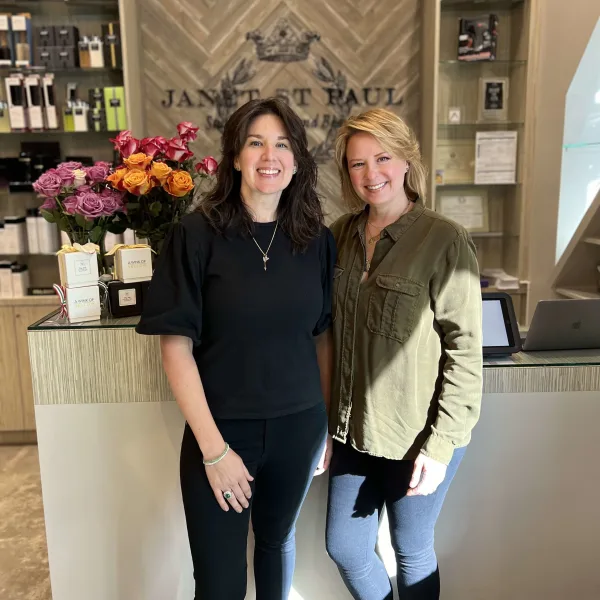
At Janet St. Paul Studio for Hair and Beauty, Director of Operations Natasha McMillen helps bring her wife Janet St. Paul's vision to life, elevating every system from education to operations.
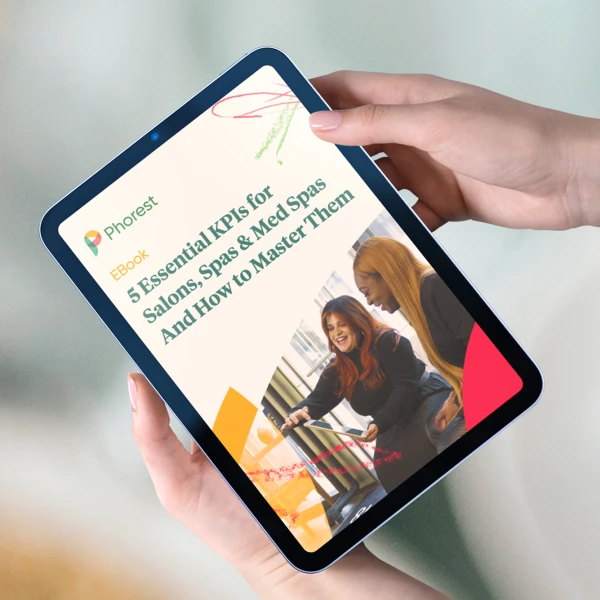
The strongest salons, spas, and med spas know which numbers tell the real story of their business. In this practical guide, Phorest breaks down the five essential KPIs every business should track to improve retention, boost revenue, and make smarter decisions with confidence.
At Bella Style Salon in Slidell, Louisiana, Director of Operations Angela Meyer tackles inventory, team management, and guest relations. Read all about her in our latest Meet the Manager.
Starting at Impressions front desk in 2006 when he was 19 years old, General Manager Paul Petrowsky is a seasoned professional who owner Sarah Taylor says is responsible for much of her own success.
Planning is in full swing for the most anticipated events and promotions for the 2026 holidays. As owners share their favorite ways to celebrate, they prove that a carefully planned event can also build culture, increase client loyalty, boost sales, and set a business up for a successful 2027.
When things run amok at Mane Attraction Salon, Owners Chris and Jenny Knudsen say General Manager Sami Hernandez is their go-to resource and ultimate sounding board. Meet Sami in this installment of Meet the Manager.