










Kelly Huether Reacquires Life of Riley and Riley Salon Resources
Life of Riley Salon Supply and Riley Salon Resources are back in the family, as Kelly Huether acquires the professional distributor he co-founded in 2013.
by Staff
 MENU
MENU SEARCH
When North America's supply of hand sanitizer is depleted because of the Coronavirus pandemic, two beauty companies--one in Iowa and one in Canada--kick into action, partnering with local distilleries to produce their own.

On March 18, the companies organized a drive thru at a local farmer's market, giving away 1,000 bottle of hand sanitizer to the community.

When the COVID-19 crisis caused a shortage of hand sanitizer, EcoLips partnered with Cedar Ridge Distillery to manufacture sanitizer using grain alcohol.
In a normal world, Steve Shriver manufactures organic and free-trade lip balm and other personal care items through EcoLips, his business in Marion, Iowa. When the COVID-19 crisis hit, his own company was trying to order hand sanitizer for their employees but couldn’t get any from their regular suppliers nor anywhere online.
Knowing the recipe for hand sanitizer is fairly simply, Shriver briefly considered making their own, but he soon learned it also was impossible to source any isopropyl alcohol, the key ingredient in hand sanitizer.
So Shriver reached out to a friend of his, Dr. Ryan Sundermann of Cedar Ridge Distillery, and explored the idea of making hand sanitizer out of grain alcohol. A week ago, it was a federal offense for a distillery to use their alcohol for this purpose, but those restrictions have been lifted with the COVID-19 crisis. A hand sanitizer with at least 60 percent alcohol kills the Coronavirus, and is an alternative when soap isn’t available.

EcoLips employees volunteered to help manufacture the hand sanitizer at the Cedar Ridge Distillery.
“In a short amount of time, we made 1,000 bottles at the distillery, and we knew we wanted to give them out to the community,” Shriver says. “The next step was figuring out how to get the word out.”
Shriver put a message up on Facebook and within hours hundreds of people had responded. “Some had elderly parents at hospitals and care centers that were running low on hand sanitizer, and we also heard from EMTs and hundreds of residents,” he says. “While we could have dropped the bottles off at retail locations, we didn’t want to contribute to spreading the virus, so we decided to launch a hand sanitizer drive thru for the public.”
On March 18, EcoLips and Cedar Ridge Distillery partnered with New Bo City Market in nearby Cedar Rapids to set up a drive thru in the farmer’s market’s parking lot at 10 a.m. “More than 300 cars were lined up and the police department were there to help guide traffic," Shriver says. "Volunteers, wearing masks and gloves passed out the free bottles of hand sanitizer to each car, and we gave away all of it in a few hours.”
Both Shriver and Sundermann are committed to going back into production and giving out the small bottles to the community until hand sanitizer is back on the shelves. “For now we are absorbing the costs, but we’ve also decided to start manufacturing it by the gallon and selling it to commercial businesses that have reached out to us, and that will help offset the production cost of the smaller donated bottles.”
Through the production process, Shriver also discovered there’s a shorter of small containers. “Part of that is because a lot of packaging comes from China, but it’s also because traditional hand sanitizer manufacturers are buying up packaging,” he says. “But people have been extraordinarily generous—friends have donated 500 bottles here, a honey company also donated bottles and today I showed up to the office and there were 2,000 bottles showed up out of nowhere from a company I hadn’t even reached out to.”
EcoLips is a B corporation, that has committed to balance people, product and profit. “We do have to make a profit to be in the position to give it away, but this is one of those times that we’ve set aside profit to do what’s right for the community,” Shriver says.

In Edmonton, Alberta, Lina Heath and Eveline Charles of Eveline Charles Salons Spas + Beauty MD partner with Red Cup Distillery to produce hand sanitizer out of detatured vodka.
In Canada, EvelineCharles Salons, Spas and Beauty MD has made luxury, salon quality hand sanitizers as part of its private label beauty products business since 2016. For the last year, the salon has been partnering with Red Cup Distillery, based near Edmonton, Alberta, just getting approval last week to manufacturer hand sanitizer with the distillery’s denatured alcohol from wheat.
"The alcohol made from wheat has a different smell, it's a cleaner product," says Lina Heath, president of EC Labs. "What makes this unique is the speed to market. It uausaaly takes six months to get a product approved--the facily has to be approved by Health Canada and then the formula has to be approved. But we have a direct line and are getting our clearances in three days."
Because of consumer demand, EvelineCharles and Red Cup Distillery are ramping up their production. "We first started approaching our traditional retailers, but then we've been on the television news twice and we have calls in from all the governmental social services, large customers and retail chain and have had some $300,000 sales days."
With the new approvals in place, Eveline Charles is set to scale up production next week and be at full production the week after.
Like EcoLips, EvelineCharles is having a challenging time resourcing bottles because the source material comes from China and COVID-19 has shut down that supply, so they have partnered with a local water company to source their larger bottles.
Life of Riley Salon Supply and Riley Salon Resources are back in the family, as Kelly Huether acquires the professional distributor he co-founded in 2013.
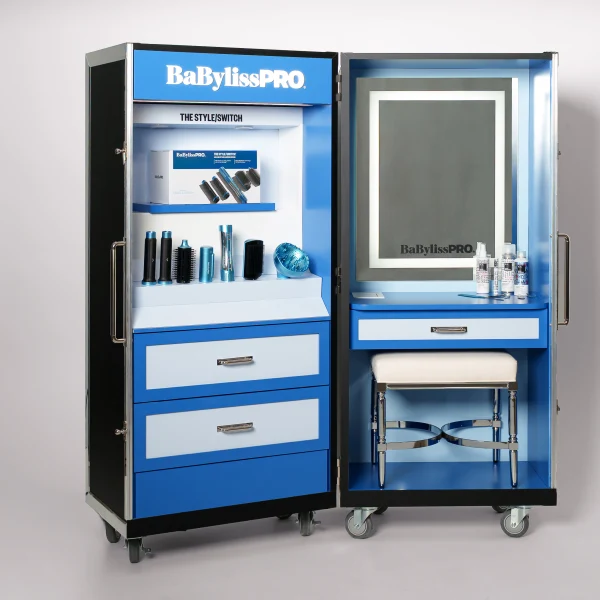
BaBylissPRO and IGK have partnered to launch the BaBylissPRO Studio Trunk, transforming the professional tool brand’s digital Style Studio into a physical experience for the first time in its sixty-year history.
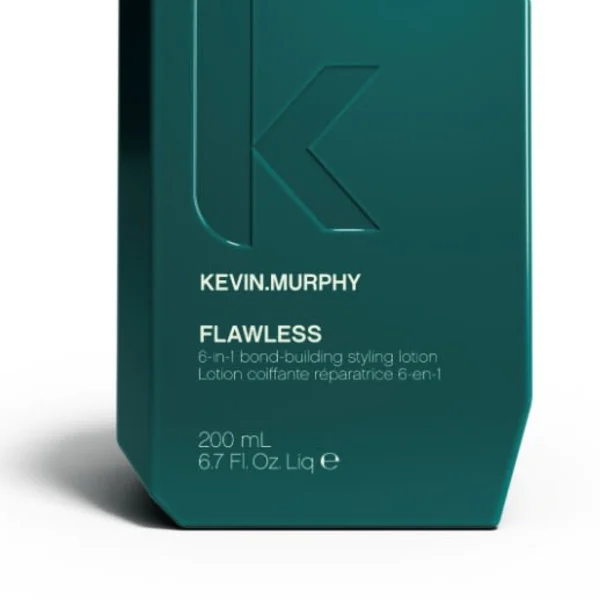
KEVIN.MURPHY's Flawless combines hair repair and styling benefits using KM.Re.Bond technology.
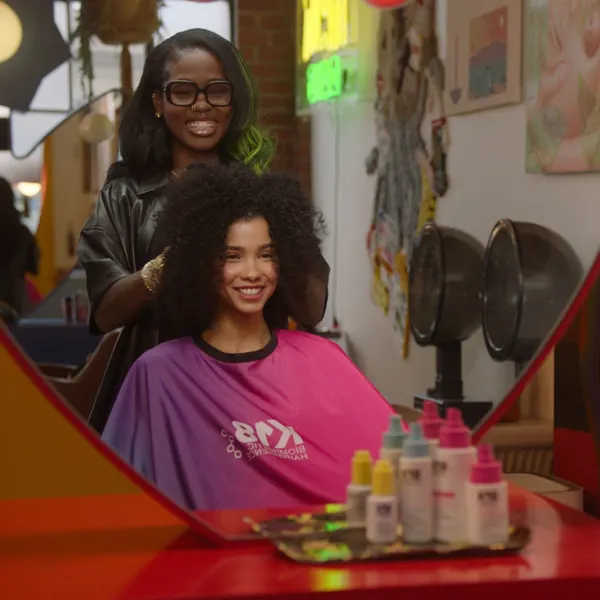
K18 Biomimetic Hairscience has partnered with Beauty Changes Lives to launch the K18 Future of Hair Scholarship, aiming to support aspiring professional stylists by reducing financial barriers to cosmetology education.
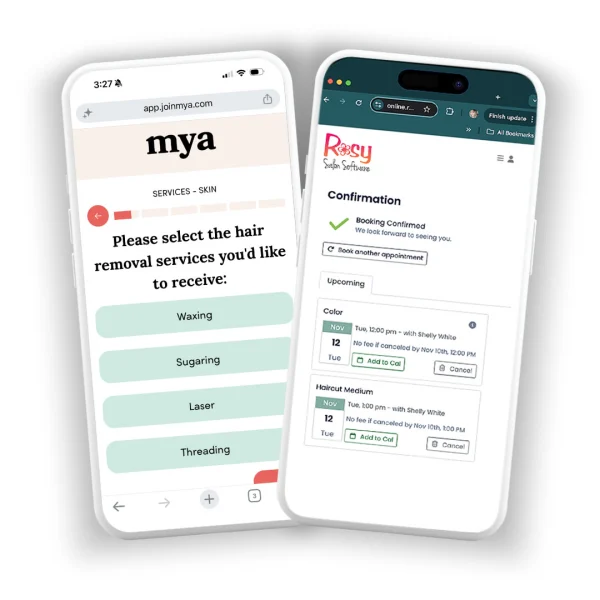
Rosy Salon Software integrates with Mya, empowering salons, spas, and barbershops to transform their websites into powerful, automated lead-generation machines.
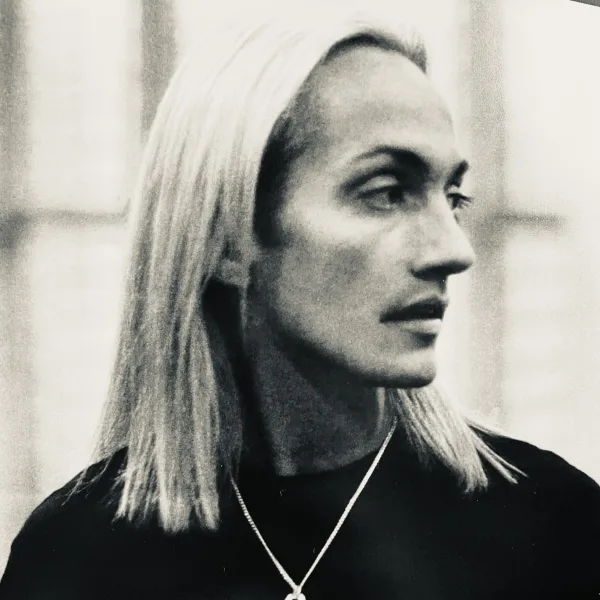
Known for his buttery blondes and a technique for highlighting hair with more precision that he called chunking, Brad Johns died on August 27. His friend and fellow colorist, David Stanko, shares thoughts on his talented colleague and close friend.
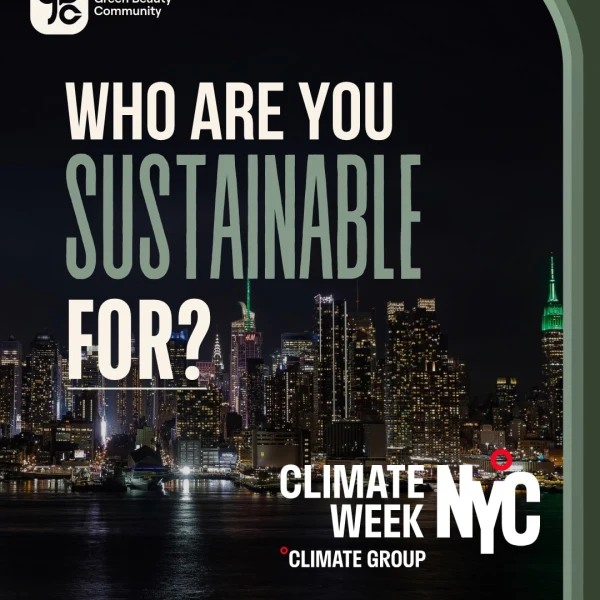
The Green Beauty Community Foundation convenes beauty brands, salon-industry leaders, educators, and sustainability organizations for a collaborative professional beauty gathering on September 23rd in New York.

At 80, global feminist, former marriage and family therapist, executive coach, and powerlifter Barrie Zucal shows women how to stop letting “debilitating goodness” derail their dreams. Her empowering new book, BOLD: How Women Play BIG by Leading Instead of Pleasing, calls out the quiet conditioning that holds women back from achieving their ambitions — and shows them how to free themselves.
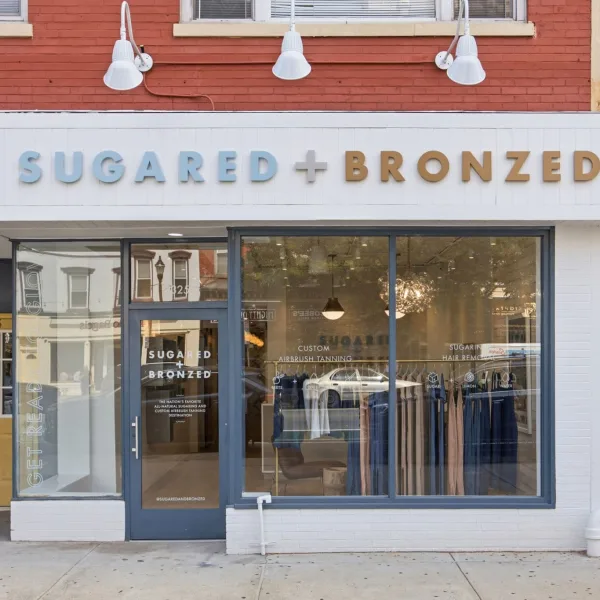
From a Santa Monica apartment startup to the nation's largest sugaring and sunless tanning brand, SUGARED + BRONZED reaches a major milestone with 50 locations across 10 markets.
The Davines Edit reflects the brand’s passion for people and planet.