









Kelly Huether Reacquires Life of Riley and Riley Salon Resources
Life of Riley Salon Supply and Riley Salon Resources are back in the family, as Kelly Huether acquires the professional distributor he co-founded in 2013.
by Staff
 MENU
MENU SEARCH
As an example, dry cleaning a woman's suit jacket for $12 and a man's suit jacket for $8 would constitute a violation of law. Will pricing differently for men and women's haircuts fall under the same reform?
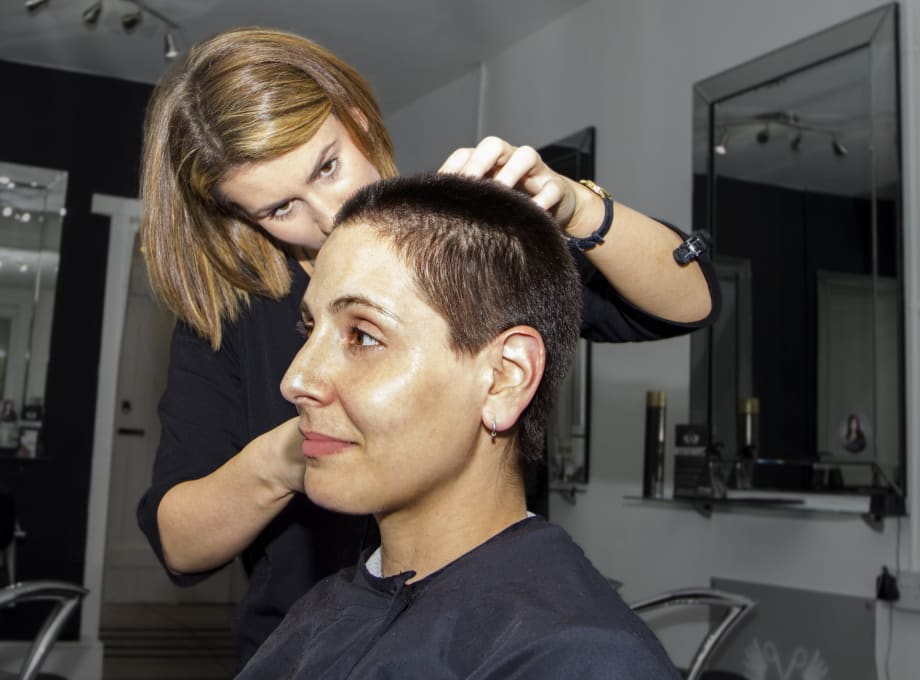
The Pink Tax prohibits gender-based price discrimination and putting a higher price tag on identical goods marketed to men.
Reform aims to break down barriers and put women on an equal playing field.
There has been a move on for years to establish gender-neutral pricing in salons.
New York Governor Andrew M. Cuomo has recently announced new reforms now in effect prohibiting businesses from charging a "pink tax."
In April the Governor signed the FY 2021 New York State Budget which included the Governor's proposal to ban the "Pink Tax." The new measure requires certain service providers to provide price lists for standard services upon request and notifies them that gender-based price discrimination is prohibited under State law. Businesses that violate the law will be subject to civil penalties.
"New York is leading the nation in advancing women's rights and this milestone marks the latest step in New York's journey to break down barriers and put women on an equal playing field," Governor Cuomo said. "By abolishing the pink tax, women and girls will no longer be subject to harmful and unfair price discrimination and any businesses who fail to put an end to this despicable practice will be held accountable."
"Women and girls continue to face inequalities in many aspects of their daily lives, and it is unacceptable that they have to pay more than men for similar goods and services," said Lieutenant Governor Kathy Hochul. "Eliminating the pink tax helps put an end to gender-based pricing, ensure financial success and break down barriers for women. We do not tolerate discriminatory actions in our state, and we will continue to fight to eliminate the gender wage gap and achieve full equality and justice for all New Yorkers."

"The Pink Tax was gender-based discrimination, plain and simple," Melissa DeRosa, Secretary to the Governor and Chair of the New York State Council on Women and Girls, said. "In New York, women have been forced to accept the unjust reality of a higher price tag for identical goods marketed to men. It was unacceptable and starting today women and girls across this state can be confident that it won't happen again. New York has made tremendous progress in advancing gender equity through Governor Cuomo's Women's Agenda and abolishing the pink tax is a critical next step."
Secretary of State Rossana Rosado said, "For far too long, women have paid more for services and products that were substantially the same as the male marketed version. I applaud Governor Cuomo for his leadership in ending this widely accepted, everyday injustice that women of all ages have suffered in the marketplace. This landmark law points to a new and fair era for women in the marketplace."
Since the early 1990s, numerous studies have demonstrated the stark disparities in the cost of substantially similar goods and services based on whether they were marketed for men or women. Across the board, the studies found that women paid more for the female version of the same product offered to men. The economic impact on women to pay more for the same product has a greater overall reach than those immediate purchases. Starting September 30, 2020, the gross compound effect of the gender-based price disparities comes to an end in New York State.
The new law mandates that any individual or entity, including retailers, suppliers, manufacturers or distributors, are prohibited from charging a price for two "substantially similar" goods or services, if the goods or services are priced differently based on the gender for whom the goods or services are marketed.
"Substantially similar goods" is defined as two goods that exhibit little difference in the materials used in production, intended use, functional design and features, and brand. "Goods" include any consumer product used, bought, or rendered primarily for personal, family or household purposes. For example, the same children's swimming pool product brand and dimensions offered in pink at $89.99 and blue at $69.99 would constitute a violation of law.
"Substantially similar services" is defined as two services that exhibit little difference in the amount of time delivering, difficulty, and cost in providing the service. "Services" include any consumer services used, bought or rendered primarily for personal, family or household purposes. For example, dry cleaning a woman's suit jacket for $12 and a man's suit jacket for $8, would constitute a violation of law.
The new law also seeks to empower consumers by giving them the right to receive, upon request, a written price list from any business that provides a service. The New York State Division of Consumer Protection encourages consumers to familiarize themselves of the new requirement and ask their service providers in advance for a price list.
Anyone selling products or providing services can avoid running afoul of the new law by ensuring that any price difference is based upon the following:
The amount of time it took to manufacture such goods or provide such services
The difficulty in manufacturing such goods or offering such services
The cost incurred in manufacturing such goods or offering such services
The labor used in manufacturing such goods or providing such services
The materials used in manufacturing such goods or providing such services
Any other gender-neutral reason for having increased the cost of such goods or services
Violations of the law are subject to the court ordered enjoinment of such sales, restitution to consumers, up to a $250 fine for the first violation, and up to $500 fine for any subsequent violations.
Originally posted on Modern Salon
Life of Riley Salon Supply and Riley Salon Resources are back in the family, as Kelly Huether acquires the professional distributor he co-founded in 2013.
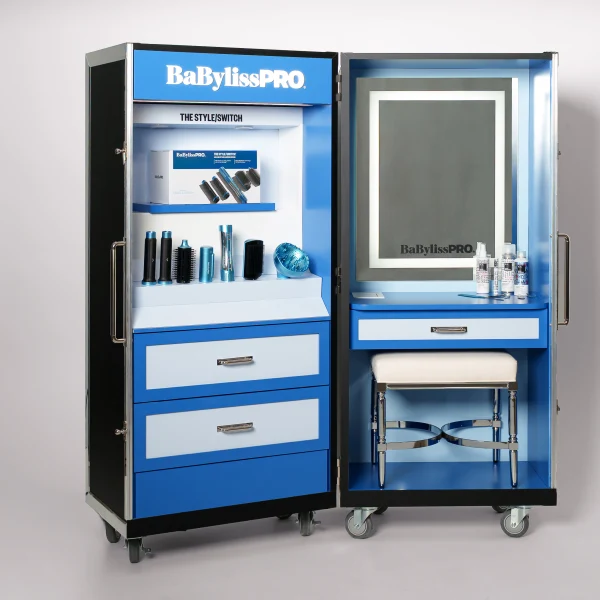
BaBylissPRO and IGK have partnered to launch the BaBylissPRO Studio Trunk, transforming the professional tool brand’s digital Style Studio into a physical experience for the first time in its sixty-year history.
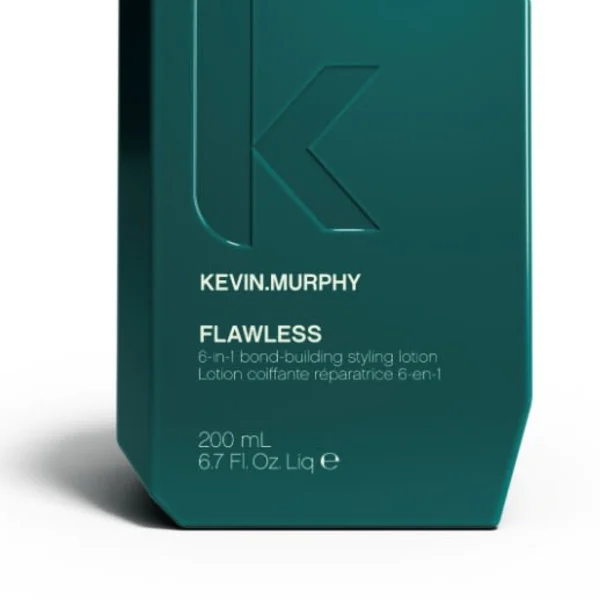
KEVIN.MURPHY's Flawless combines hair repair and styling benefits using KM.Re.Bond technology.
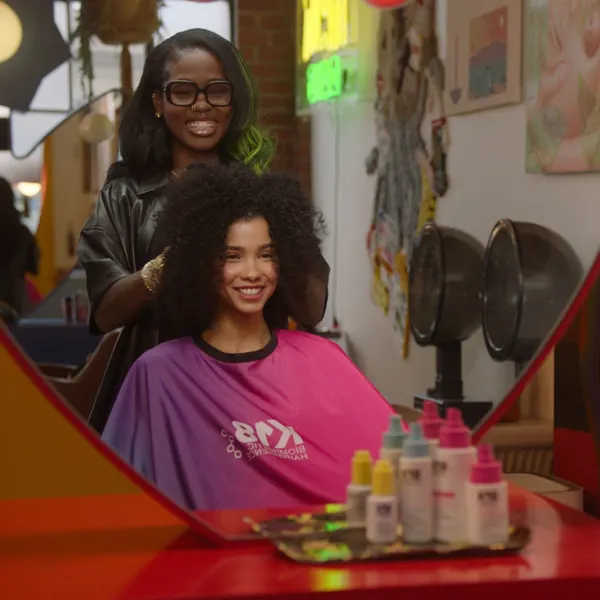
K18 Biomimetic Hairscience has partnered with Beauty Changes Lives to launch the K18 Future of Hair Scholarship, aiming to support aspiring professional stylists by reducing financial barriers to cosmetology education.
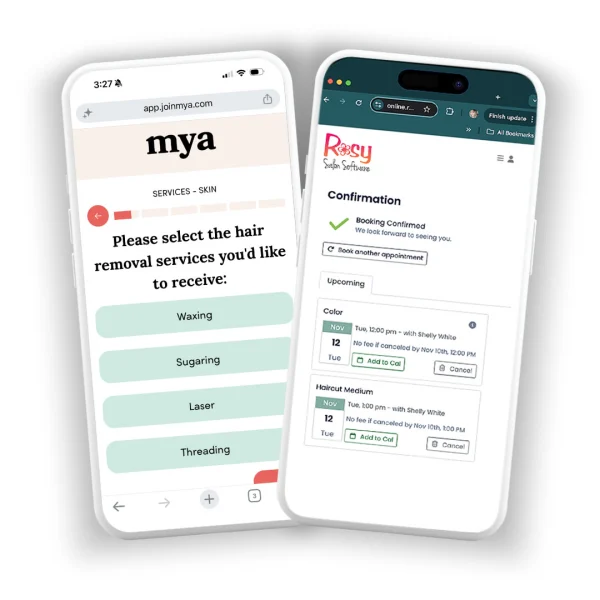
Rosy Salon Software integrates with Mya, empowering salons, spas, and barbershops to transform their websites into powerful, automated lead-generation machines.
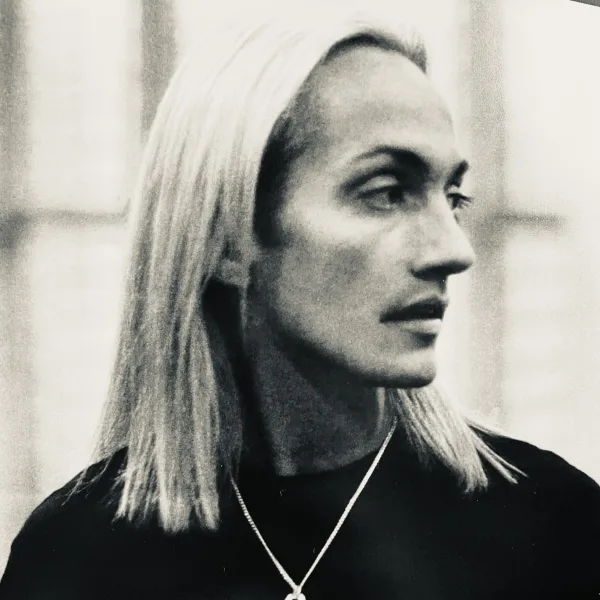
Known for his buttery blondes and a technique for highlighting hair with more precision that he called chunking, Brad Johns died on August 27. His friend and fellow colorist, David Stanko, shares thoughts on his talented colleague and close friend.
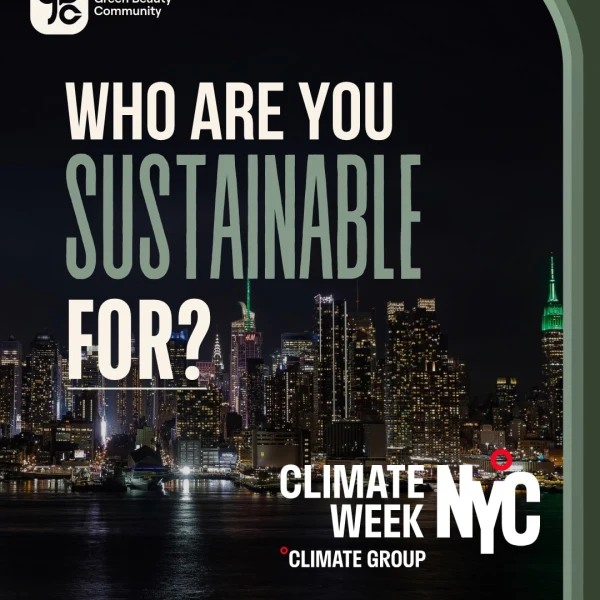
The Green Beauty Community Foundation convenes beauty brands, salon-industry leaders, educators, and sustainability organizations for a collaborative professional beauty gathering on September 23rd in New York.

At 80, global feminist, former marriage and family therapist, executive coach, and powerlifter Barrie Zucal shows women how to stop letting “debilitating goodness” derail their dreams. Her empowering new book, BOLD: How Women Play BIG by Leading Instead of Pleasing, calls out the quiet conditioning that holds women back from achieving their ambitions — and shows them how to free themselves.
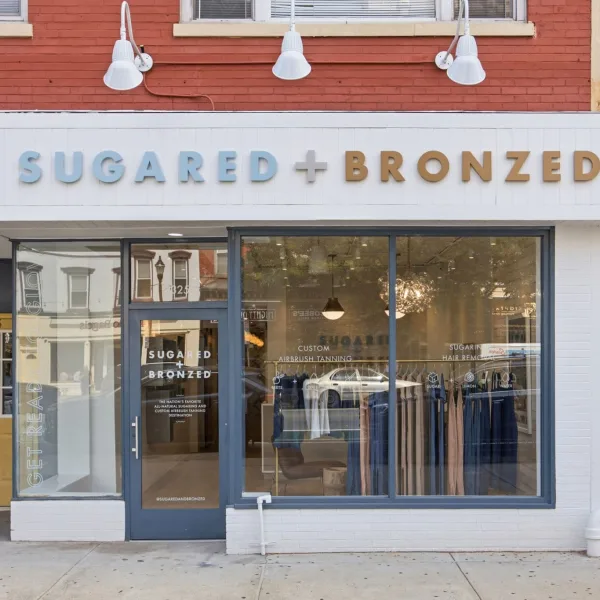
From a Santa Monica apartment startup to the nation's largest sugaring and sunless tanning brand, SUGARED + BRONZED reaches a major milestone with 50 locations across 10 markets.
The Davines Edit reflects the brand’s passion for people and planet.