








Kelly Huether Reacquires Life of Riley and Riley Salon Resources
Life of Riley Salon Supply and Riley Salon Resources are back in the family, as Kelly Huether acquires the professional distributor he co-founded in 2013.
by Staff
 MENU
MENU SEARCH
New York is the hardest state for Gen Z to make a living. At the same time nationwide interest in having a second income has skyrocketed with Google searches jumping 400%. The most popular online side hustles for Gen Zers are revealed.

A new ranking has revealed which states are currently the most difficult for Gen Zers to live in, as they’re the furthest away from making enough to cover their basic expenses.
The findings, compiled by Hostinger, analyzed BLS data on the average salary in each state - split by age - and compared this to the current living wage in each area, to reveal where Gen Z is experiencing the most significant shortfall and would benefit from a second income.
This follows a nationwide rise in interest in pursuing a second income over the last month, as Google searches for ‘what’s a good side hustle?’ skyrocketed by 400%, while ‘work from home jobs’ increased by 130%, and ‘best side ‘hustle’ jumped up by 70%.
Whilst some people will be keen to get a second job to boost their savings, increase their networking capabilities, and free up money for investment opportunities, many in New York are likely hoping for extra income to cover their necessary expenditures.
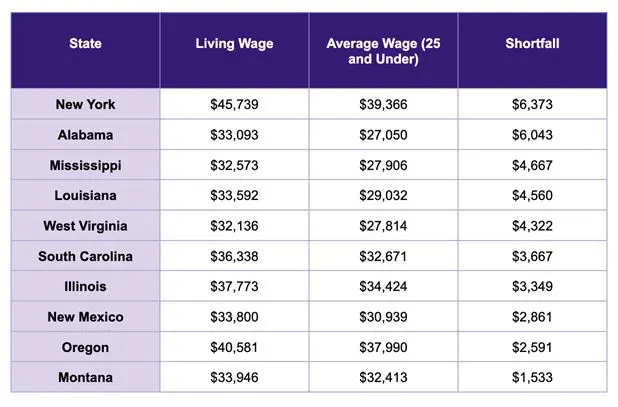
According to the data, the typical New York homeowner aged 25 and under makes $39,366 a year - 14% less than the amount needed to earn a living in the state.
This is based on the state’s current living wage of $45,739, which is calculated using ‘geographically specific expenditure data for food, childcare, health care, housing, transportation, and other necessities’, according to researchers at MIT.
Unfortunately for Gen Zers (aged 26 and under), this shortfall means they’ll need to undertake a second job to afford to live in the state, or at least pursue a side hustle.
The same goes for young homeowners in Alabama, who currently make $6 less yearly than they need to earn the state’s living wage of $33k, compared to New York’s $6.4k shortfall.
Across the country, the average Gen Zer earns just $1.6k more than they need to cover their basic expenses in their state - meaning they don’t have many spare funds to put into their savings or to cover emergency costs related to healthcare, education, and transportation.
Inadequate salary expectations for young adults affect regional job and property markets, as the more expensive states are less likely to appeal to young homeowners and professionals, leading to a skills gap and decreased housing demand.
Things get a bit easier once householders surpass 25, as the data shows the average person aged 25-44 surpasses their states’ living wage by at least $39.8k - even New York.
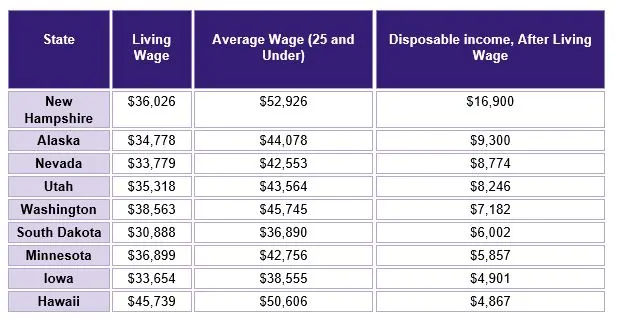
On the other end of the scale, the state where it’s easiest for Gen Z to earn a living came out as New Hampshire, where the typical homeowner under 25 is making a whopping $52.9k per year - $16.9k more than they need to get by in the state.
Commenting on the findings, a spokesperson at web hosting platform Hostinger said: “It’s concerning to see such a vast discrepancy in the ease of earning a sufficient salary from state to state, as it’ll deter much-needed young talent from moving to the expensive areas.
“It makes sense that there’s been a huge rise in interest in a side hustle of late, given summer is generally an expensive time of year - particularly for the Gen Zers who are frustrated that they can’t afford to cover their expenses easily, even without having children.
“Luckily, there are plenty of entry-level opportunities to make money online and to alleviate this pressure, for those who are willing to learn new skills. We’d recommend looking into the following areas, and also looking into how to make passive income alongside your main job:
Writing and editing. This is an accessible side hustle for most as it comes in many forms - including sourcing freelance jobs, creating your own blog, offering proofreading services, or contracted writing for a magazine.
Graphic design. This can be harder to wrap your head around unless you already have an interest in it, but there are plenty of online resources to help you hone your skills. Jobs include creating logos, editing photos, and helping to design websites.
Translation. There’s always a high demand for translators who can mirror a brand or site’s messaging across their target geographies, like Spanish or Italian. If you know a second language, it’s worth watching out for paid translation jobs.
Food delivery. If you can drive or even own a bike, you can likely take up food delivery as a second job. It requires dedication, people skills, and good timekeeping, but there are plenty of platforms out there to help you get started.
Pet-sitting. This is the ideal side hustle for dog lovers, particularly now that many of us are heading back into the office for work. Offer your pet-sitting skills through social media, or use a third-party service to help you seek out paying clientele.
The survey pulled data from the U.S. Bureau of Labor Statistics, Google Trends, Massachusetts Institute of Technology and Forbes.
Life of Riley Salon Supply and Riley Salon Resources are back in the family, as Kelly Huether acquires the professional distributor he co-founded in 2013.
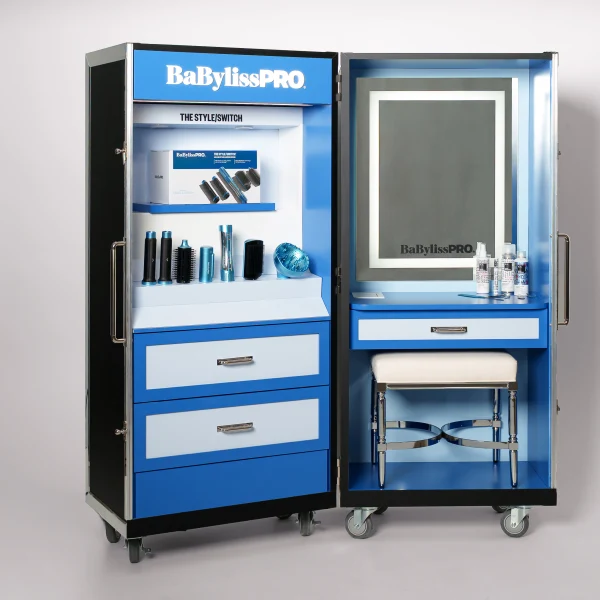
BaBylissPRO and IGK have partnered to launch the BaBylissPRO Studio Trunk, transforming the professional tool brand’s digital Style Studio into a physical experience for the first time in its sixty-year history.
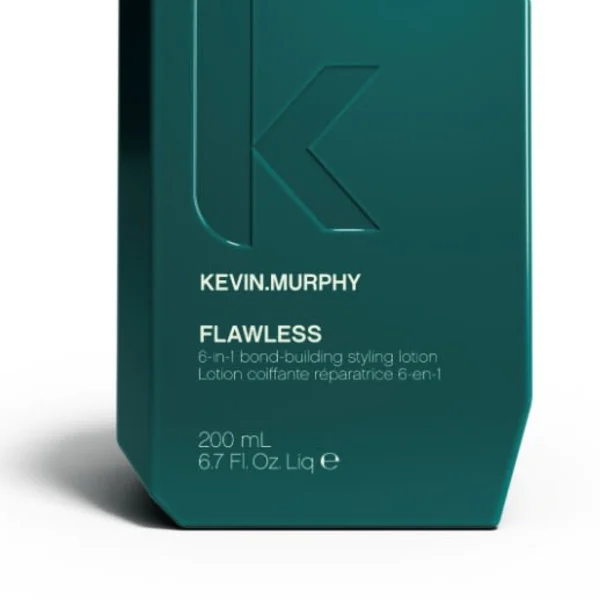
KEVIN.MURPHY's Flawless combines hair repair and styling benefits using KM.Re.Bond technology.
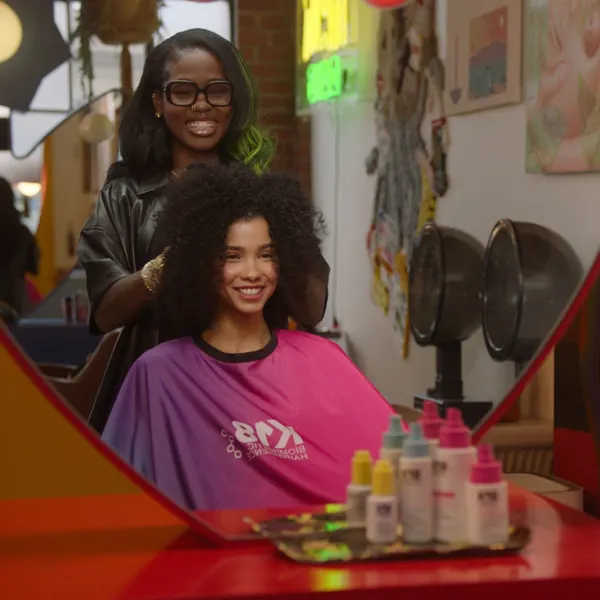
K18 Biomimetic Hairscience has partnered with Beauty Changes Lives to launch the K18 Future of Hair Scholarship, aiming to support aspiring professional stylists by reducing financial barriers to cosmetology education.
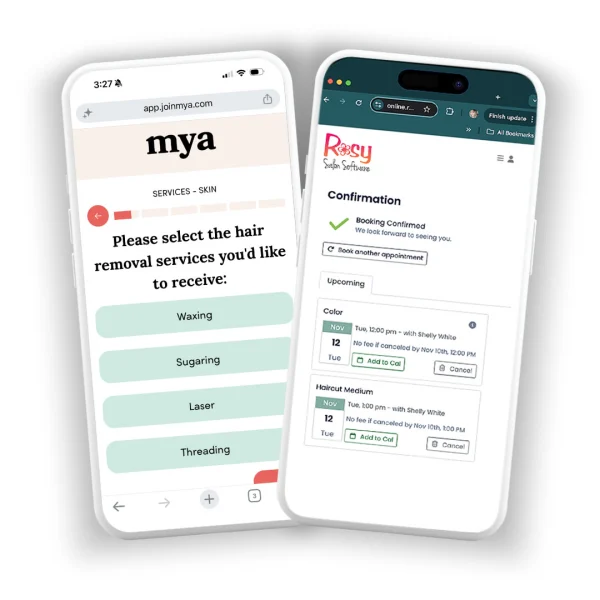
Rosy Salon Software integrates with Mya, empowering salons, spas, and barbershops to transform their websites into powerful, automated lead-generation machines.
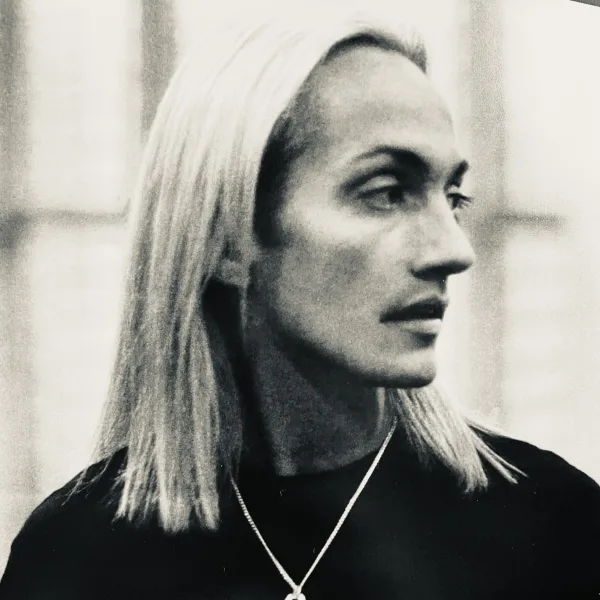
Known for his buttery blondes and a technique for highlighting hair with more precision that he called chunking, Brad Johns died on August 27. His friend and fellow colorist, David Stanko, shares thoughts on his talented colleague and close friend.
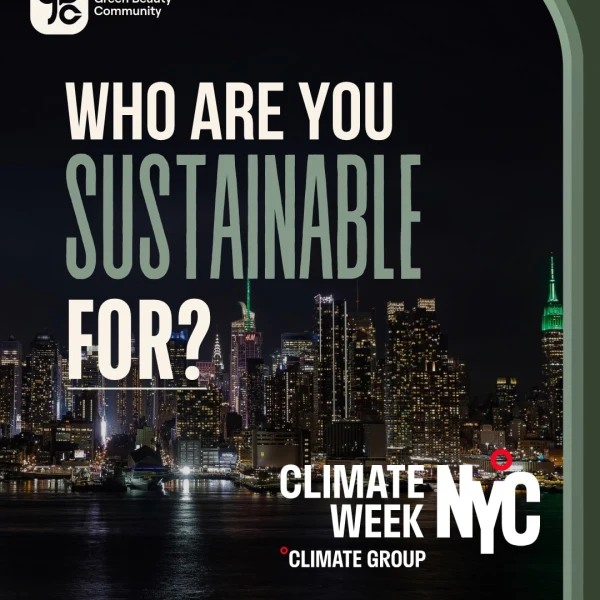
The Green Beauty Community Foundation convenes beauty brands, salon-industry leaders, educators, and sustainability organizations for a collaborative professional beauty gathering on September 23rd in New York.
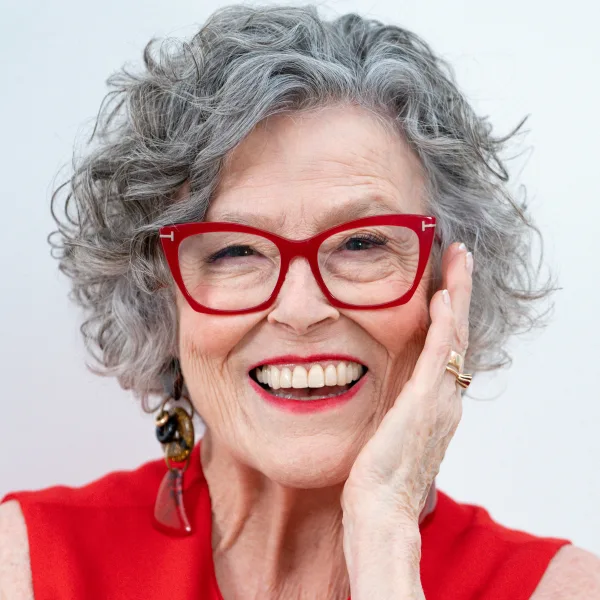
At 80, global feminist, former marriage and family therapist, executive coach, and powerlifter Barrie Zucal shows women how to stop letting “debilitating goodness” derail their dreams. Her empowering new book, BOLD: How Women Play BIG by Leading Instead of Pleasing, calls out the quiet conditioning that holds women back from achieving their ambitions — and shows them how to free themselves.
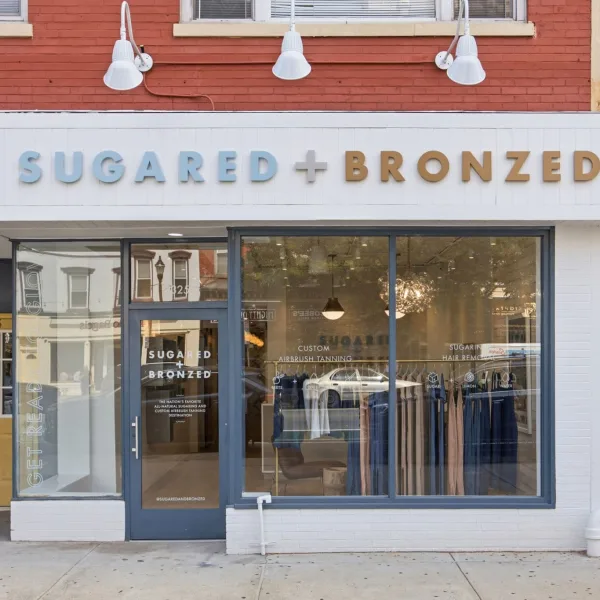
From a Santa Monica apartment startup to the nation's largest sugaring and sunless tanning brand, SUGARED + BRONZED reaches a major milestone with 50 locations across 10 markets.
The Davines Edit reflects the brand’s passion for people and planet.