









Kelly Huether Reacquires Life of Riley and Riley Salon Resources
Life of Riley Salon Supply and Riley Salon Resources are back in the family, as Kelly Huether acquires the professional distributor he co-founded in 2013.
by Staff
 MENU
MENU SEARCH
Before digging into the details of each 2018 ST200 salon and spa, we take a close look at what the collective data tells us about the state of the beauty industry.
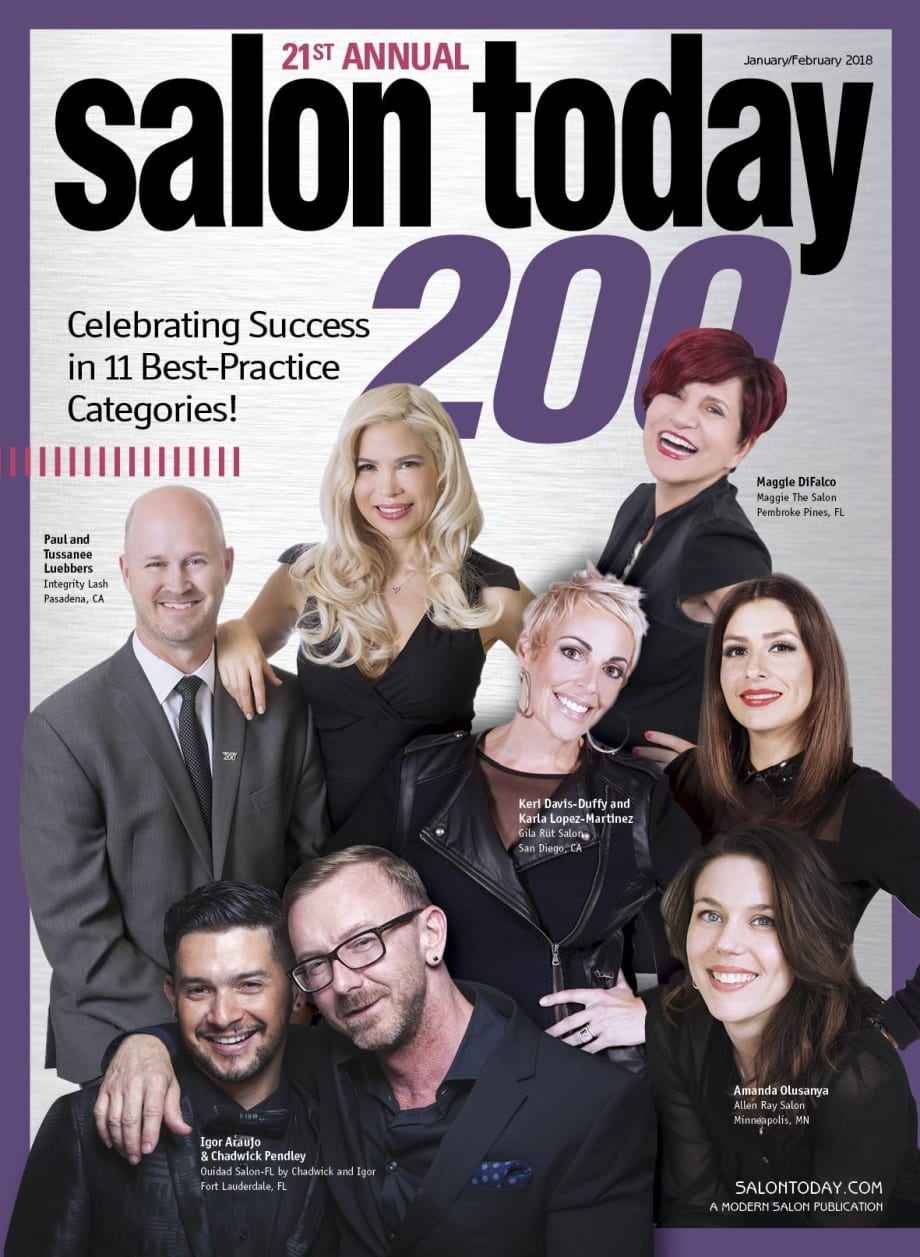
If the professional beauty industry was a high school, then the SALON TODAY 200 issue would be its yearbook.
Think about it a minute. The ST200 issue shines the spotlight on the activities of the best and brightest salons and spas. Like the hand-written well wishes in a yearbook, the quotes in each honoree’s profile offer sage advice for their owner peers. In addition, the issue chronicles a specific year in time—in our case we’re closely examining the world of salon business in 2016. And, our 11 best-practice categories group honorees who excel in particular areas of business while offering specific measurements on that specialty.
Much as they would a treasured yearbook, salon and spa owners tend to hold onto a ST200 issue, not only for the valuable information it conveys, but also because it helps them identify and network with the industry’s achievers. Should a salon and spa be fortunate enough to be featured in the ST200, then the issue becomes a keepsake, a validation and a witness to their success.
In mid-January, the 2018 honorees will gather after Serious Business in New Orleans at a certificate reception—a celebration not unlike a graduation—where they will have their chance to cross the stage to cheers from their peers and pick up their ST200 certificates.
Before we introduce you to the ST200 class of 2018, let’s look at what their data tells us about salon business in 2016.
Class of 2018: The Big Picture
While most of our ST200 coverage focuses on the specific achievements of individual salon and spa businesses, looking at them as a collective group illustrates the power of the professional beauty industry.
In calendar year 2016, the ST200 brought in total gross sales of $351,950,800. That means on average, these salons brought in an average $1,759,754. While that number is about $210,000 less than last year’s average, that is more likely a reflection that we had a few less multi-million dollar salon applicants this year than last year, rather than a dip in the economic situation.
The ST200 does a fair job of representing salons and spas of all sizes. In this year’s class, 7.6% of our honorees posted 2016 gross sales between $250,000 and $499,999; 29.6% brought in between $500,000 and $999,999; 33.7% hit sales between $1,000,000 and $1,999,999; and 29.1% had gross sales in excess of $2 million.
As a group, the ST200 honorees grew their revenue from 2015 to 2016 by 15%, a slightly higher growth rate than last year’s 13%. Collectively, these salons rung up 4,252,600 client tickets last year. (That’s a chorus of ka-ching!)
Our applicants represent states throughout the U.S., with a handful of salons and spas hailing from Canada. The Northeast U.S. accounted for 11% of the 2018 ST200; the Midwest represented 29%; the South claimed 39%; and the West showcased 19%. The states with the most applicants included Texas (7%), Florida (6%), Colorado (6%), California (6%), Illinois (6%) and Indiana (4%).
Although many statistics in the ST200 go up and down from year to year, the breakdown of expenditures has remained relatively unchanged for years. It continues to serve as an important guideline for owners to measure their own P&L statements against. At 48%, the cost of labor tops the list of salon/spa expenditures, followed by supply costs (10%), rent/mortgage (7%), profit (7%), taxes (5%), owner compensation (5%), marketing/advertising (3%), and education and training (3%).
The Definition of A ST200 Honoree
By examining the collective data gathered from all the ST200 honorees, we are able to sketch an image of what salon business success looks like in 2018.
The average ST200 salon and spa…
Opened the door on their dream in 2006. Over the past five years, more of the ST200 salons are younger businesses, with almost 60% opening since 2005.
Operates one location. This is shifting though. Last year, 75% of the ST200 had one location, this year that’s dropped to 70%. Of the salons who do have more than one location, on average, they operate three.
Leases its space. This year, 77% of the ST200 report leasing their space. Beauty businesses with $2 million or more in revenue are more likely to do a combination of leasing and owning their own real estate. Salons in the West are more likely to be leasing (82%) while those in the Northeast (30%) have a higher proportion of owning.
Occupies an average of 4,546 square feet. This is just more than 100 square feet less than last year’s average.
Considers themselves a salon and spa. At 96%, almost all define themselves this way.
Consults an expert. Slightly up from last year, 53% of the 2018 ST200 report hiring a salon coach or consultant in the past three years.
Networks with peers. Also slightly up from last year, 70% of the 2018 ST200 are members of an industry association. This is up from 64% two years ago. Popular options include the Professional Beauty Association, Intercoiffure, Cosmetologists Chicago, ISBN and the 2 to 10 Network.
Tallies $1 million in sales or more. On average, the ST200 salons earned $1,759,754 in 2016. At 64%, almost 2/3 of the ST200 salons had gross revenues of $1 million or more in 2016. Top-grossing revenue salons in the ST200 have an average sales gross about 10 times of those with the lowest revenue.
Is on the grow. The average ST200 salon increased revenue in 2016 by 15%, up slightly than the growth (13%) reported last year.
And, growing more efficiently. The averages sales per square foot was $451, up from $406 last year. This is true across North America—there is no significant difference in income per square foot by region.
Is very busy. On average, a ST200 honoree rang up 21,263 transactions in 2016. The average transaction was $82.76, mostly unchanged from last year. At $53.33, the average price charged for a shampoo, cut and style increased slightly at 2%. Other average prices included $74.53 for a single-process color, $28.15 for a basic manicure and $79.81 for a basic, 60-minute facial. Hair color and cutting services continue to be the largest growing categories among the ST200.
Employs 34 staffers. This continues a decline of average reported employees over the past three years.
Is commission based. On average, 61% of the staff of the ST200 are paid through commission. At 48%, salons in the West are less likely to pay through commission.
Plans ahead. Two-thirds of the 2018 ST200 claim they have an annual budget for salon improvements.
ST200 Salon Behavior
On average, two in three ST200 owners (67%) report that they work in their business, performing client services. Of those owners, they spend an average of 25 hours a week performing services for clients. This has gone up by two hours since last year.
At 99%, almost all hold regular staff meetings, with most holding them monthly. Smaller salons have the benefit of being able to gather employees more easily. ST200 salons with lower revenues were more likely than higher revenue salons to hold weekly meetings.
At 43%, two in five ST200 salons have non-compete/non-solicitation contracts with their team members. This has declined in recent years, with 48% reporting that they had these contracts last year. Of those who have had non-compete/non-solicitation agreements, 27% have found themselves defending them in court.
When asked what Key Performance Indicator (KPI) owners reviewed most frequently, productivity got top marks at 25%, followed by average ticket at 23%, existing client retention at 12%, pre-booking rates at 10% and new client retention at 8%.
When it comes to managing the salon, owners believe they have the least control over inventory and shrinkage, and the costs associated with adding new talent. They feel they have the most control over the retail commission they pay stylists, service payroll, advanced education and training costs, and non-service payroll.
During the past five years, little has changed in what causes owners to toss and turn at night. Top concerns include their lack of ability to reduce expenses and their concern for keeping service staff busy enough, followed by the threat of a walkout, lack of understanding on how to improve profitability, and ineffective service managers. The one exception on the worry chain—owners are less concerned about their local economy and less worried about the ability to find
Life of Riley Salon Supply and Riley Salon Resources are back in the family, as Kelly Huether acquires the professional distributor he co-founded in 2013.
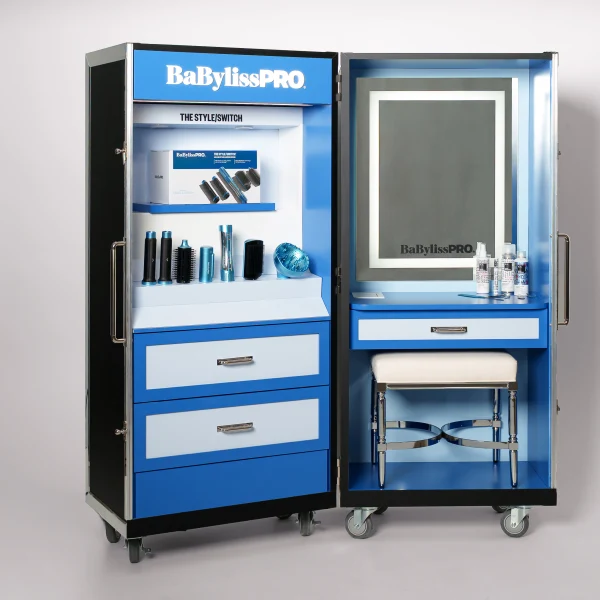
BaBylissPRO and IGK have partnered to launch the BaBylissPRO Studio Trunk, transforming the professional tool brand’s digital Style Studio into a physical experience for the first time in its sixty-year history.
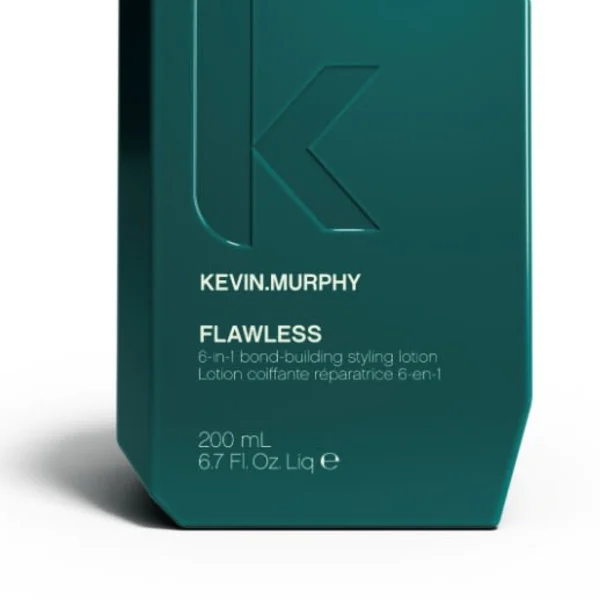
KEVIN.MURPHY's Flawless combines hair repair and styling benefits using KM.Re.Bond technology.
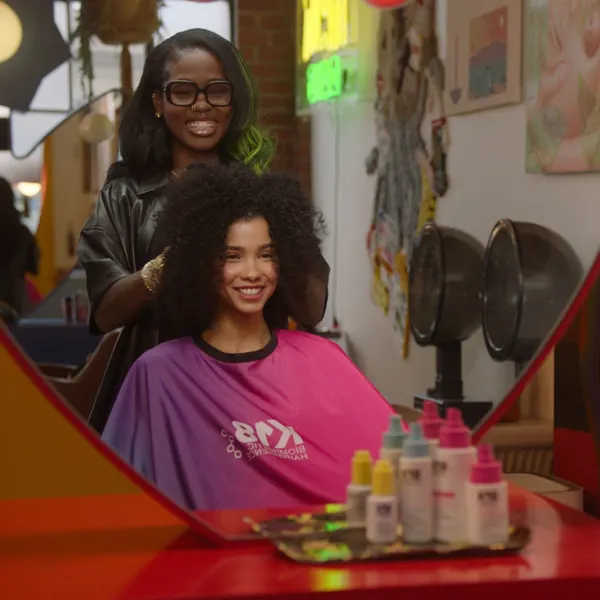
K18 Biomimetic Hairscience has partnered with Beauty Changes Lives to launch the K18 Future of Hair Scholarship, aiming to support aspiring professional stylists by reducing financial barriers to cosmetology education.
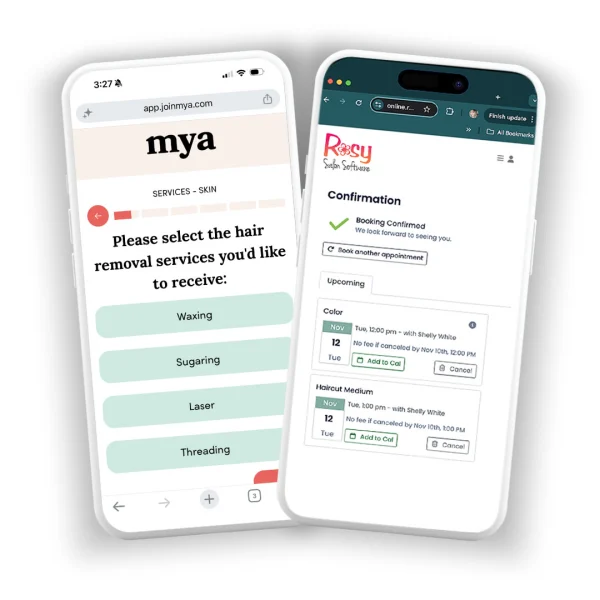
Rosy Salon Software integrates with Mya, empowering salons, spas, and barbershops to transform their websites into powerful, automated lead-generation machines.
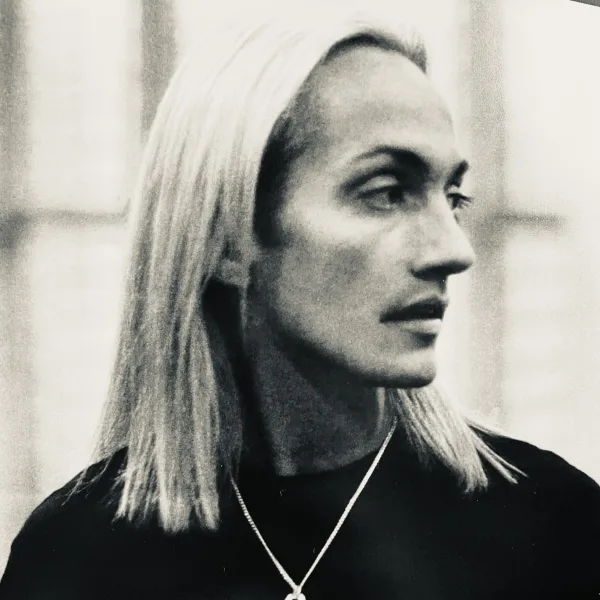
Known for his buttery blondes and a technique for highlighting hair with more precision that he called chunking, Brad Johns died on August 27. His friend and fellow colorist, David Stanko, shares thoughts on his talented colleague and close friend.

The Green Beauty Community Foundation convenes beauty brands, salon-industry leaders, educators, and sustainability organizations for a collaborative professional beauty gathering on September 23rd in New York.
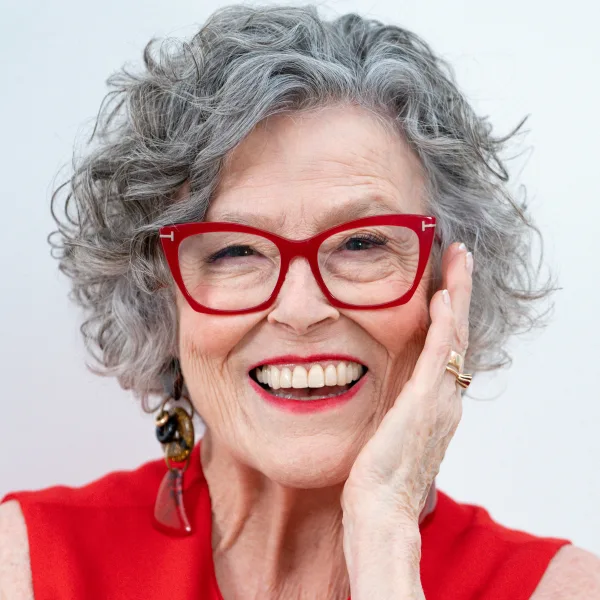
At 80, global feminist, former marriage and family therapist, executive coach, and powerlifter Barrie Zucal shows women how to stop letting “debilitating goodness” derail their dreams. Her empowering new book, BOLD: How Women Play BIG by Leading Instead of Pleasing, calls out the quiet conditioning that holds women back from achieving their ambitions — and shows them how to free themselves.
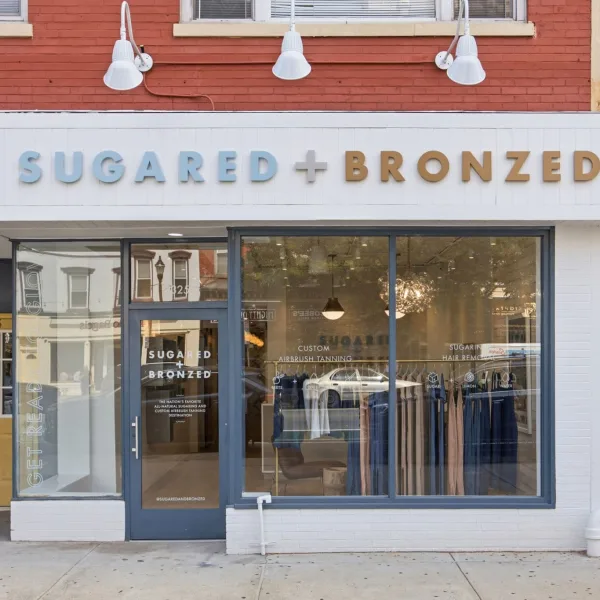
From a Santa Monica apartment startup to the nation's largest sugaring and sunless tanning brand, SUGARED + BRONZED reaches a major milestone with 50 locations across 10 markets.
The Davines Edit reflects the brand’s passion for people and planet.