








Kelly Huether Reacquires Life of Riley and Riley Salon Resources
Life of Riley Salon Supply and Riley Salon Resources are back in the family, as Kelly Huether acquires the professional distributor he co-founded in 2013.
by Staff
 MENU
MENU SEARCH
A recent report issued by the Environmental Working Group questioning sunscreen’s safety was refuted by Farah Ahmed, Chair of the Personal Care Products Council Sunscreen Task Force.
With the approach of summer, the spotlight is shining on sunscreen. A recent report issued by the Environmental Working Group questioning sunscreen’s safety drew a response from Farah Ahmed, Chair of the Personal Care Products Council Sunscreen Task Force. Based in Washington, D.C., the Personal Care Products Council is a national trade association representing the global cosmetic and personal care products industry.
Among other criticisms, the EWG’s report called out two ingredients-- retinyl palmitate, oxybenzone—as being unsafe. Ahmed and the Task Force responded:
“Consumers can be confident that sunscreen products, as part of an overall safe sun regimen, are safe and will help protect them from skin cancer, premature skin aging, and other damaging effects of the sun.
Allegations contained in the Environmental Working Group’s 2012 sunscreen report disregard or distort an extensive body of scientific research on the safety, efficacy and health benefits of sunscreen and could confuse consumers and discourage them from using sunscreen. With skin cancer rates on the rise, this does a great disservice to consumers and undermines the efforts of public health advocates to educate people about the importance of using sunscreen as part of their sun protection regimen.
By challenging the medical and scientific consensus that sunscreen products are safe and effective, the EWG report defies the scientific assessments of sunscreen products and ingredients by regulatory authorities in the U.S., E.U., and Canada. In the U.S. sunscreens are regulated as over-the-counter drugs by the FDA and are subject to rigorous safety and efficacy substantiation.
Experts at the Centers for Disease Control, the American Academy of Dermatology, the Skin Cancer Foundation, and health care professionals throughout the world also emphasize the safety of sunscreens and the importance of their use as part of a safe sun regimen.
Among the numerous allegations made in the report is the assertion that retinyl palmitate, an ingredient used in some sunscreens to condition and moisturize the skin, is unsafe. Retinyl palmitate, more commonly known as Vitamin A, has been used safely for many years in various personal care products, including sunscreen. It is approved by the FDA for use as a food additive and has been reviewed twice by the Cosmetic Ingredient Review and found to be safe. A large body of evidence suggests that retinoids have anti-cancer effects in humans.
EWG also questions the safety of an FDA-approved active ingredient in some sunscreens called oxybenzone. Oxybenzone, also known as Benzophenone-3, protects the skin from harmful UV rays. FDA and regulatory authorities in Canada and the European Union have approved the use of oxybenzone as a safe and effective sunscreen ingredient. While EWG alleges a connection between oxybenzone and hormone or endocrine disruption, current scientific research does not support such a link in humans.
The 2012 EWG report also claims that many sunscreen ingredients break down significantly when exposed to sunlight and quickly stop working. This is simply not true. Sunscreen formulators take into account the physical and chemical properties of the active ingredients to ensure they perform effectively and meet all established FDA requirements, to ensure they are effective when purchased by consumers.“
For more information about cosmetic and personal care products, visit www.CosmeticsInfo.org.
Life of Riley Salon Supply and Riley Salon Resources are back in the family, as Kelly Huether acquires the professional distributor he co-founded in 2013.
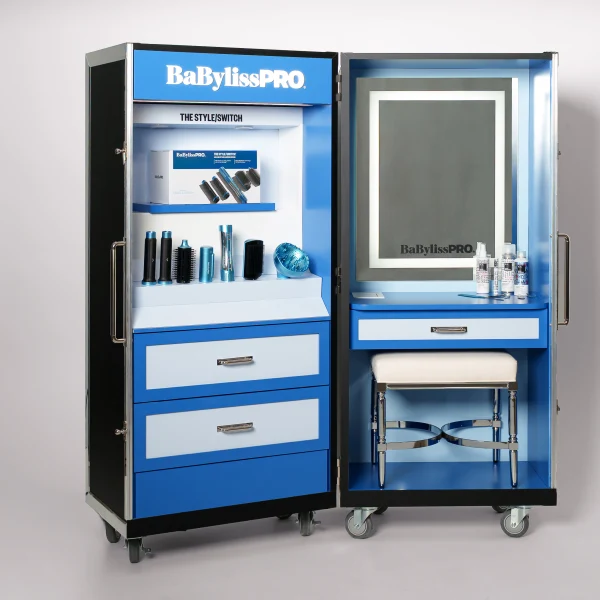
BaBylissPRO and IGK have partnered to launch the BaBylissPRO Studio Trunk, transforming the professional tool brand’s digital Style Studio into a physical experience for the first time in its sixty-year history.
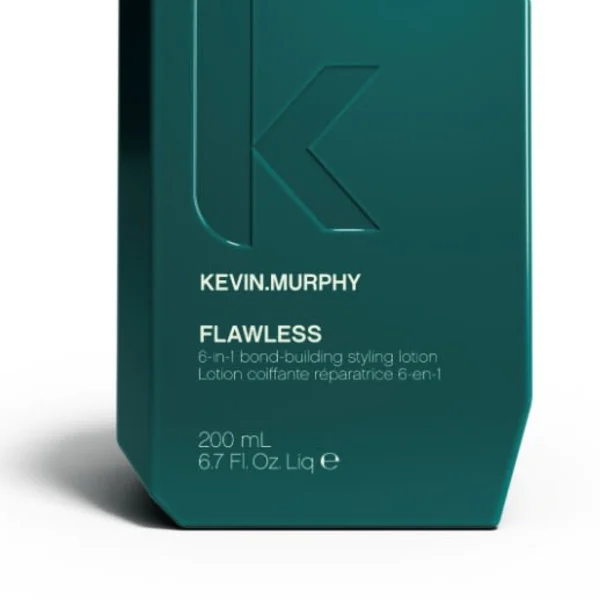
KEVIN.MURPHY's Flawless combines hair repair and styling benefits using KM.Re.Bond technology.
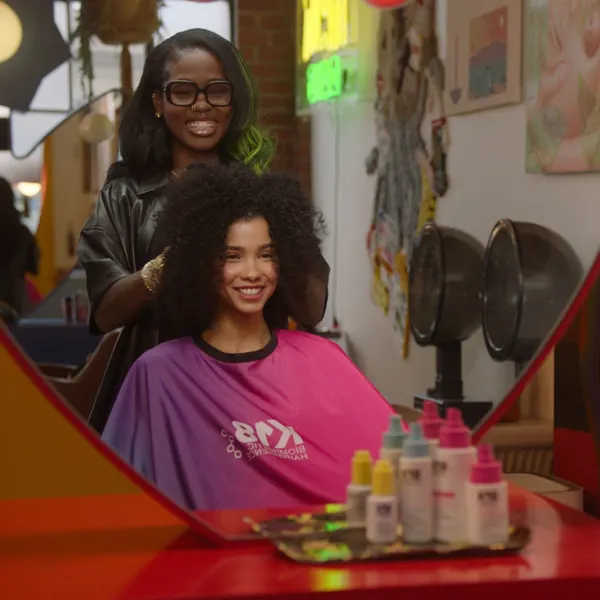
K18 Biomimetic Hairscience has partnered with Beauty Changes Lives to launch the K18 Future of Hair Scholarship, aiming to support aspiring professional stylists by reducing financial barriers to cosmetology education.
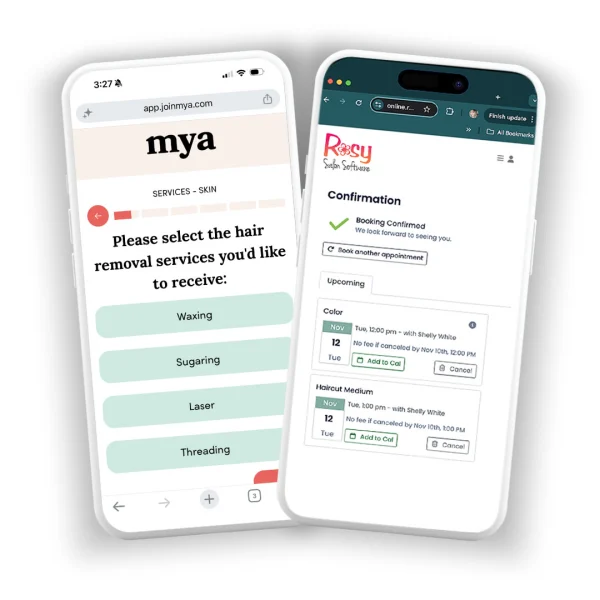
Rosy Salon Software integrates with Mya, empowering salons, spas, and barbershops to transform their websites into powerful, automated lead-generation machines.
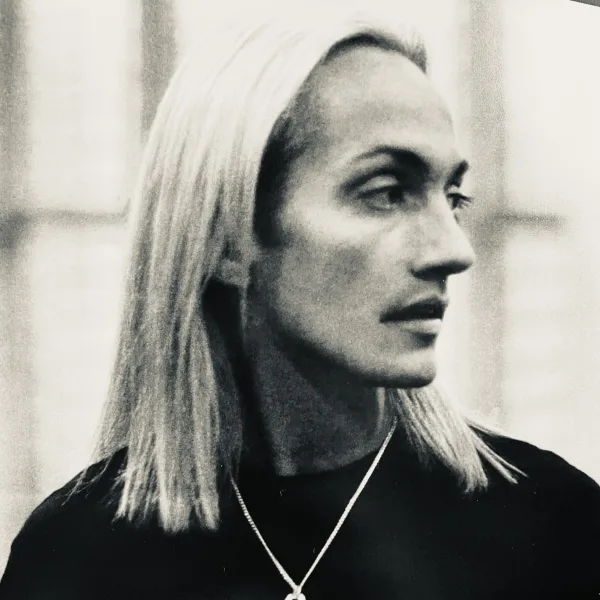
Known for his buttery blondes and a technique for highlighting hair with more precision that he called chunking, Brad Johns died on August 27. His friend and fellow colorist, David Stanko, shares thoughts on his talented colleague and close friend.
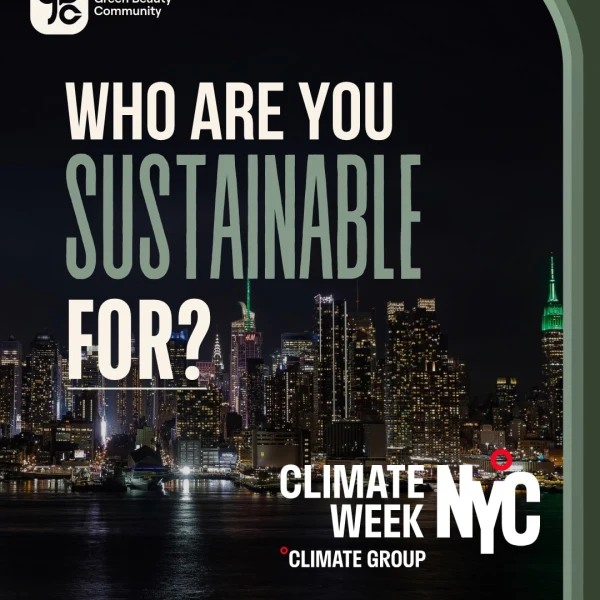
The Green Beauty Community Foundation convenes beauty brands, salon-industry leaders, educators, and sustainability organizations for a collaborative professional beauty gathering on September 23rd in New York.
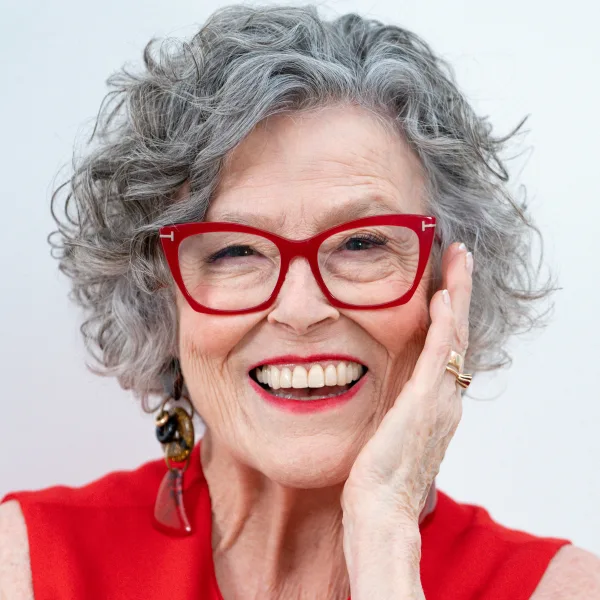
At 80, global feminist, former marriage and family therapist, executive coach, and powerlifter Barrie Zucal shows women how to stop letting “debilitating goodness” derail their dreams. Her empowering new book, BOLD: How Women Play BIG by Leading Instead of Pleasing, calls out the quiet conditioning that holds women back from achieving their ambitions — and shows them how to free themselves.

From a Santa Monica apartment startup to the nation's largest sugaring and sunless tanning brand, SUGARED + BRONZED reaches a major milestone with 50 locations across 10 markets.

The Davines Edit reflects the brand’s passion for people and planet.