








Kelly Huether Reacquires Life of Riley and Riley Salon Resources
Life of Riley Salon Supply and Riley Salon Resources are back in the family, as Kelly Huether acquires the professional distributor he co-founded in 2013.
by Staff
 MENU
MENU SEARCH
Hair discrimination now carries a hefty fine of $250,000 for any policies that restrict natural hairstyles.
The New York City Commission on Human Rights (NYCCHR) issued new legal enforcement guidance regarding discrimination on the basis of natural hair and hairstyles. Bans or restrictions on natural hair or hairstyles, the guidance states, “exacerbate anti-Black bias in employment, at school, while playing sports, and in other areas of daily living. The NYCHRL protects the rights of New Yorkers to maintain natural hair or hairstyles that are closely associated with their racial, ethnic, or cultural identities. For Black people, this includes the right to maintain natural hair, treated or untreated hairstyles such as locs, cornrows, twists, braids, Bantu knots, fades, Afros, and/or the right to keep hair in an uncut or untrimmed state.”
Hair discrimination now carries a hefty fine of $250,000 for any policies that restrict natural hairstyles.
Examples of discrimination cited in the guidance include:
A private school has a policy prohibiting locs or braids.
A public school athletic association prohibits a Black student athlete with locs from participating in an athletic competition because his hair is below his shoulders but allows white student-athletes with long hair to tie their hair up.
A charter school informs a Black student that she must change her Afro because it is a “distraction” in the classroom.
A children’s dance company requires girls to remove their braids, alter their Afro, and only wear a “smooth bun” to participate in classes.
A nightclub tells a patron she is not welcome because her natural hairstyle does not meet their dress code.
Life of Riley Salon Supply and Riley Salon Resources are back in the family, as Kelly Huether acquires the professional distributor he co-founded in 2013.
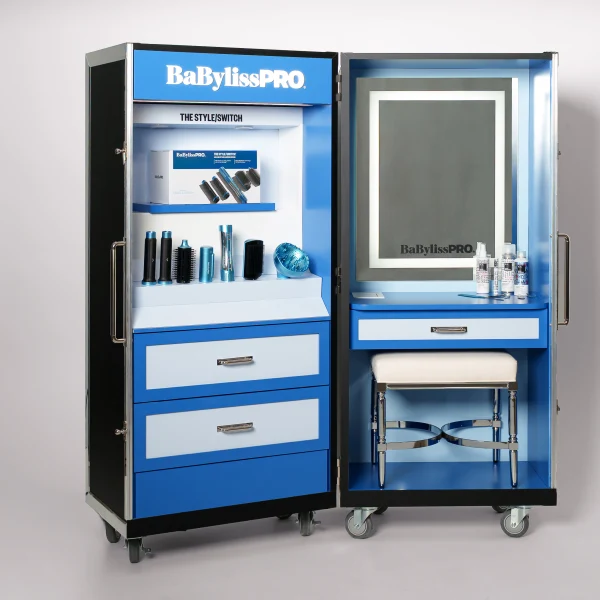
BaBylissPRO and IGK have partnered to launch the BaBylissPRO Studio Trunk, transforming the professional tool brand’s digital Style Studio into a physical experience for the first time in its sixty-year history.
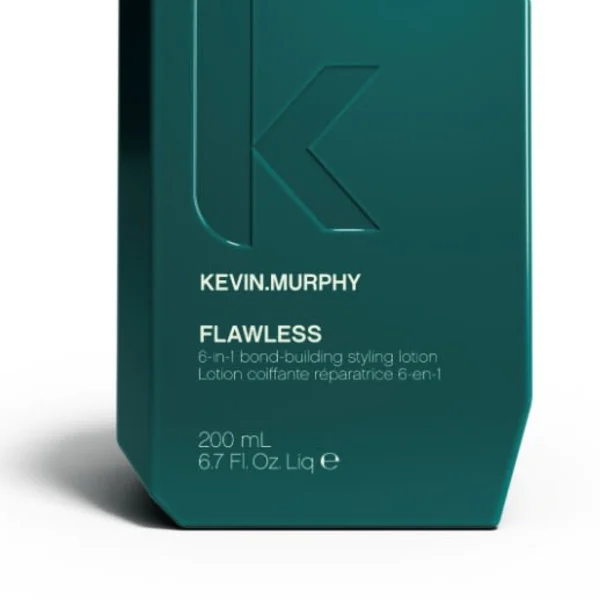
KEVIN.MURPHY's Flawless combines hair repair and styling benefits using KM.Re.Bond technology.
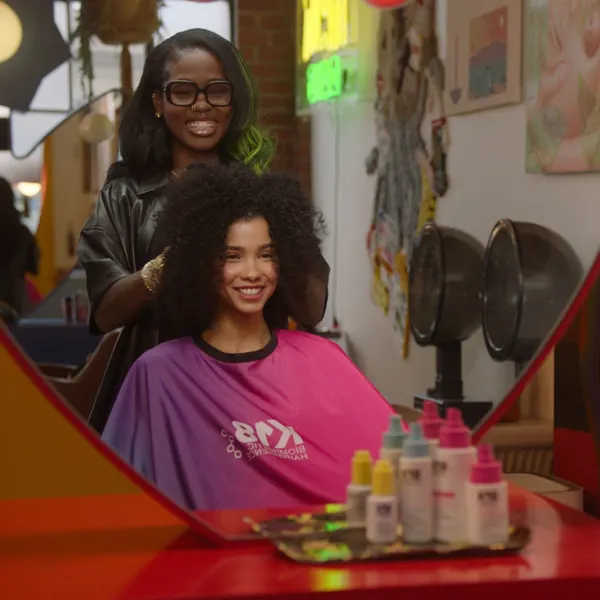
K18 Biomimetic Hairscience has partnered with Beauty Changes Lives to launch the K18 Future of Hair Scholarship, aiming to support aspiring professional stylists by reducing financial barriers to cosmetology education.
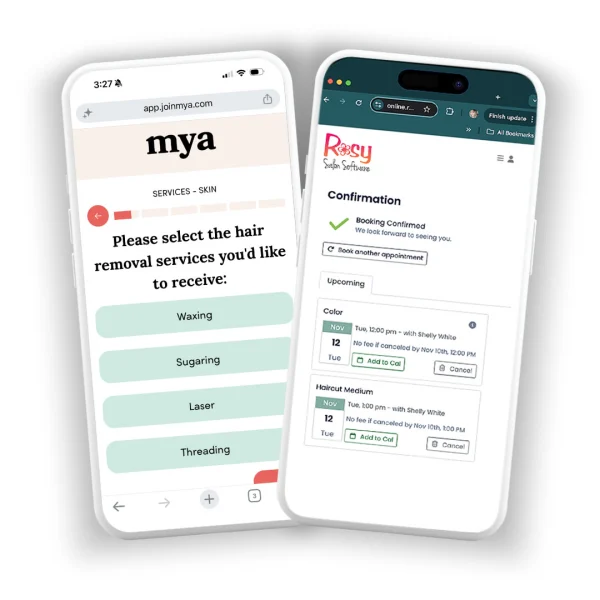
Rosy Salon Software integrates with Mya, empowering salons, spas, and barbershops to transform their websites into powerful, automated lead-generation machines.
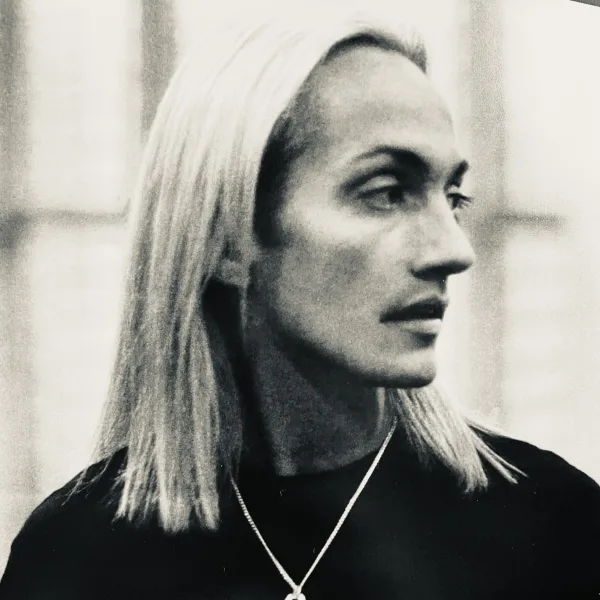
Known for his buttery blondes and a technique for highlighting hair with more precision that he called chunking, Brad Johns died on August 27. His friend and fellow colorist, David Stanko, shares thoughts on his talented colleague and close friend.
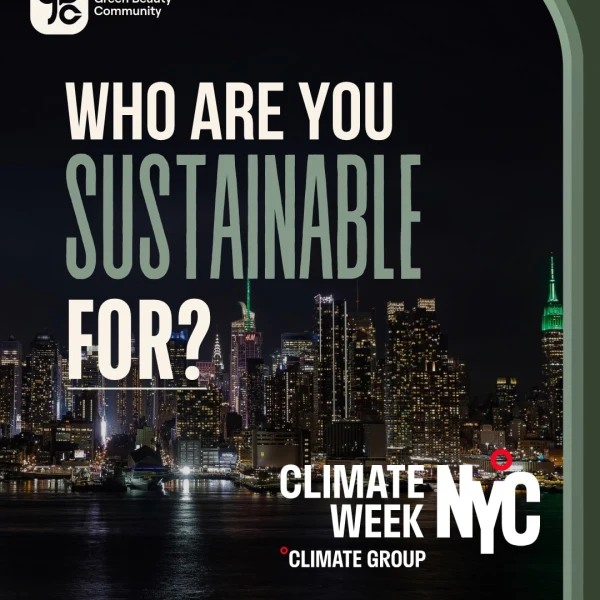
The Green Beauty Community Foundation convenes beauty brands, salon-industry leaders, educators, and sustainability organizations for a collaborative professional beauty gathering on September 23rd in New York.
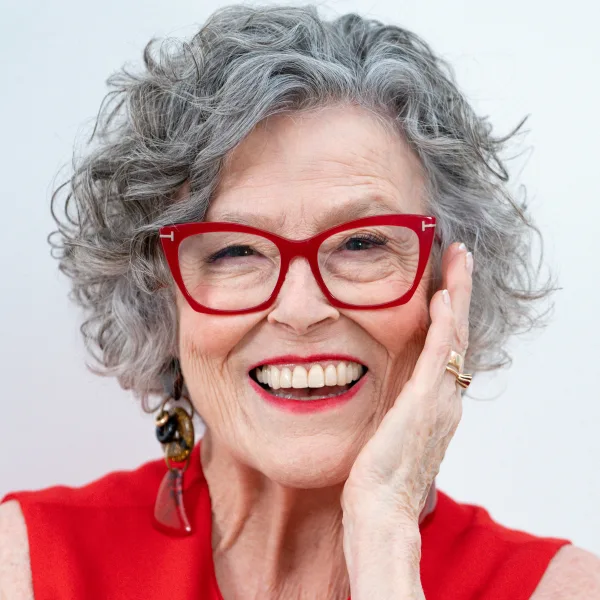
At 80, global feminist, former marriage and family therapist, executive coach, and powerlifter Barrie Zucal shows women how to stop letting “debilitating goodness” derail their dreams. Her empowering new book, BOLD: How Women Play BIG by Leading Instead of Pleasing, calls out the quiet conditioning that holds women back from achieving their ambitions — and shows them how to free themselves.
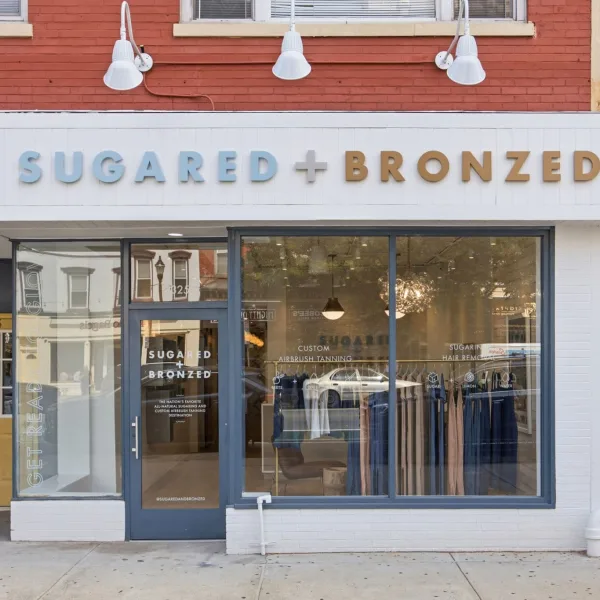
From a Santa Monica apartment startup to the nation's largest sugaring and sunless tanning brand, SUGARED + BRONZED reaches a major milestone with 50 locations across 10 markets.
The Davines Edit reflects the brand’s passion for people and planet.