









Kelly Huether Reacquires Life of Riley and Riley Salon Resources
Life of Riley Salon Supply and Riley Salon Resources are back in the family, as Kelly Huether acquires the professional distributor he co-founded in 2013.
by Staff
 MENU
MENU SEARCH
The Professional Beauty Association's (PBA) Nail Manufacturers Council on Safety (NMC) announced its support for an independent, peer-reviewed study demonstrating that UV (ultraviolet) lamps commonly used for hardening gel nail polish are safe and do not increase the risk of developing skin cancer.
A study published in the Spring 2013 issue of Photochemistry and Photobiology , "Photobiological Safety Evaluation of UV Nail Lamps," co-authored by Drs. John C. Dowdy and by Robert Sayre, co-inventor of the SPF rating system for sunscreens, set out to determine if traditional fluorescent and LED-type nail lamps produce excess amounts of UV and increase the risk of skin cancer. The researchers reached several important conclusions about skin safety.
First, Dowdy and Sayre found that UV nail lamps exceeded safety expectations. These lamps were found to be significantly less hazardous than expected based on the initial concerns raised by others. The researchers found that UV exposure is so low that a person could put her hands under a nail lamp for 25 minutes a day without exceeding the internationally accepted safe limits for daily workplace UV exposure. Typical nail salon exposures, i.e., less than ten minutes per hand performed on average only twice per month or less, are well within the limits of permissible daily UV exposure.
The researchers also concluded that the risk of developing non-melanoma skin cancer was 11-46 times lower than the risks of being exposed to noonday natural sunlight. The data showed that UV nail lamps were safer than both natural sunlight and sunlamps.
The study also mentions two considerations for safe UV nail lamp use. Customers who are taking medication that requires them to avoid natural sunlight without proper protection should be cautious when using UV nail lamps. Also, incorrect bulb replacement and lamp maintenance could be harmful to the skin.
Overall, Dowdy and Sayre's findings support the earlier research reported in an independent Lighting Sciences study and in the Journal of Investigative Dermatology, concluding that UV nail lamps are safe and do not cause or increase the risk of cancer.
For complete coverage of the latest UV nail lamp study, please visit: http://www.probeauty.org/nmc.
Life of Riley Salon Supply and Riley Salon Resources are back in the family, as Kelly Huether acquires the professional distributor he co-founded in 2013.
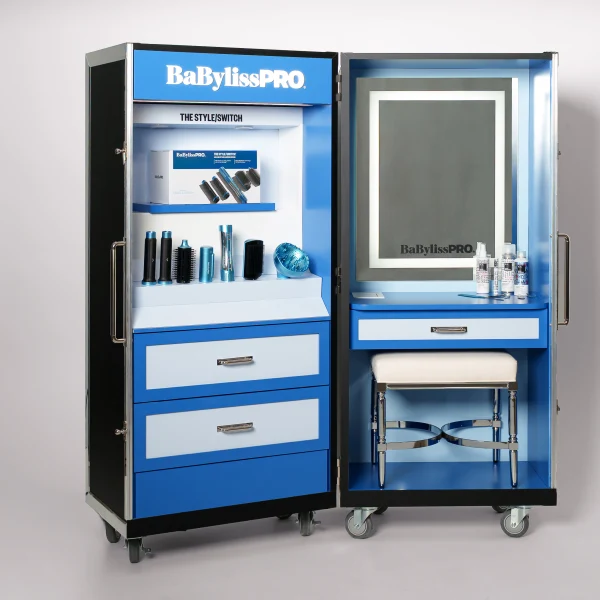
BaBylissPRO and IGK have partnered to launch the BaBylissPRO Studio Trunk, transforming the professional tool brand’s digital Style Studio into a physical experience for the first time in its sixty-year history.
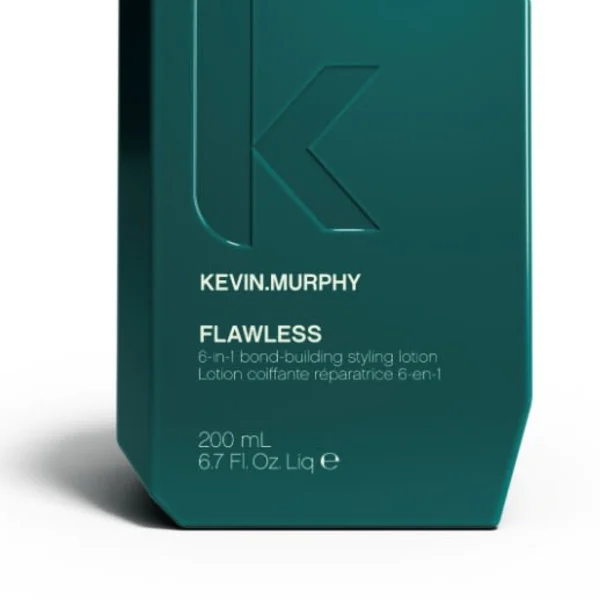
KEVIN.MURPHY's Flawless combines hair repair and styling benefits using KM.Re.Bond technology.
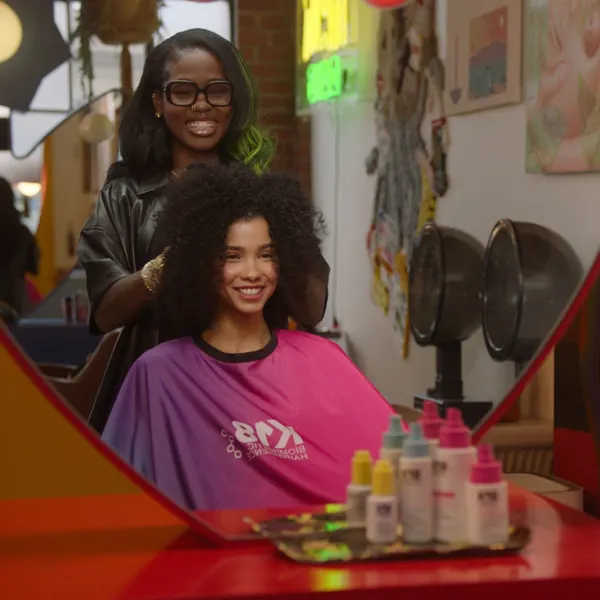
K18 Biomimetic Hairscience has partnered with Beauty Changes Lives to launch the K18 Future of Hair Scholarship, aiming to support aspiring professional stylists by reducing financial barriers to cosmetology education.
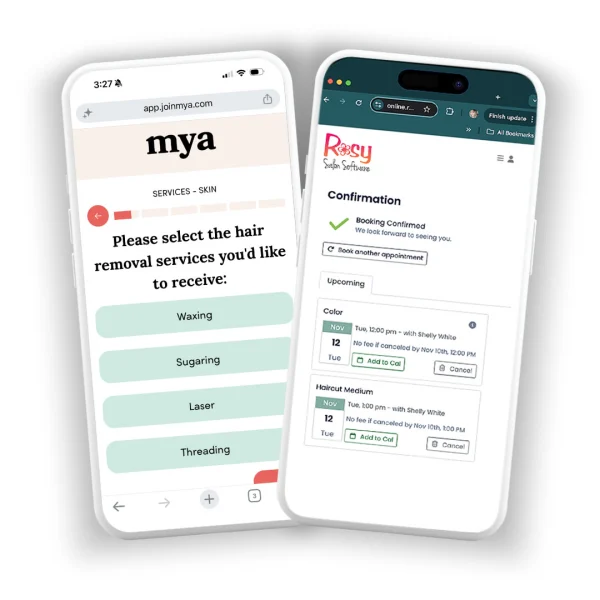
Rosy Salon Software integrates with Mya, empowering salons, spas, and barbershops to transform their websites into powerful, automated lead-generation machines.
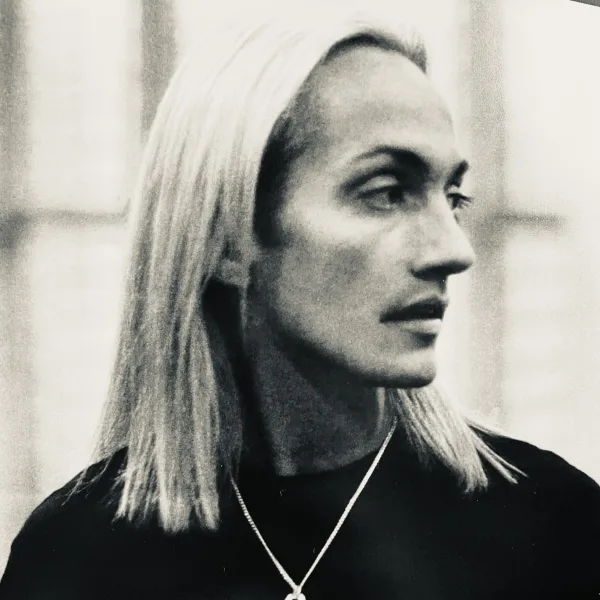
Known for his buttery blondes and a technique for highlighting hair with more precision that he called chunking, Brad Johns died on August 27. His friend and fellow colorist, David Stanko, shares thoughts on his talented colleague and close friend.

The Green Beauty Community Foundation convenes beauty brands, salon-industry leaders, educators, and sustainability organizations for a collaborative professional beauty gathering on September 23rd in New York.
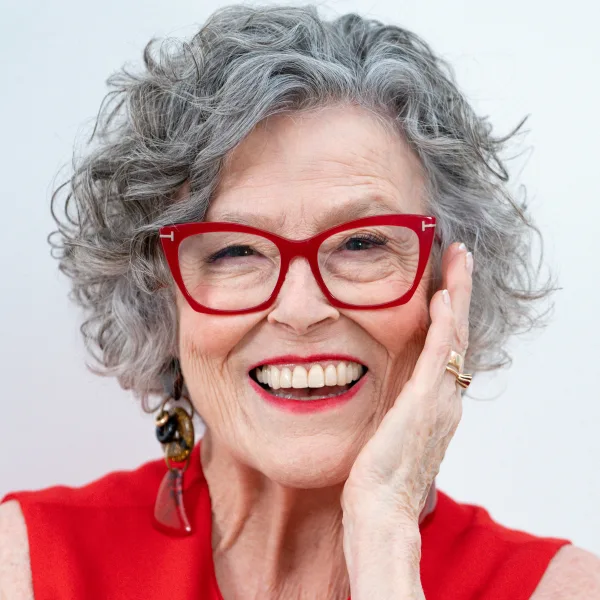
At 80, global feminist, former marriage and family therapist, executive coach, and powerlifter Barrie Zucal shows women how to stop letting “debilitating goodness” derail their dreams. Her empowering new book, BOLD: How Women Play BIG by Leading Instead of Pleasing, calls out the quiet conditioning that holds women back from achieving their ambitions — and shows them how to free themselves.
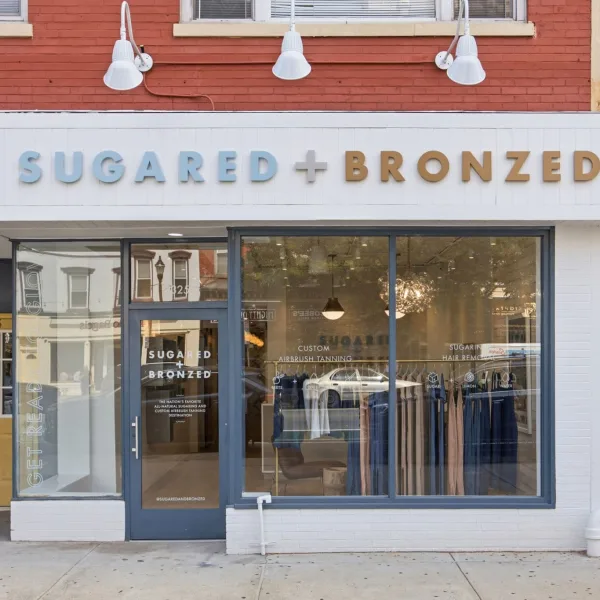
From a Santa Monica apartment startup to the nation's largest sugaring and sunless tanning brand, SUGARED + BRONZED reaches a major milestone with 50 locations across 10 markets.
The Davines Edit reflects the brand’s passion for people and planet.