










Kelly Huether Reacquires Life of Riley and Riley Salon Resources
Life of Riley Salon Supply and Riley Salon Resources are back in the family, as Kelly Huether acquires the professional distributor he co-founded in 2013.
by Staff
 MENU
MENU SEARCH
Moreau is one of the most influential women in professional beauty.

Cotyis one of the world’s largest beauty companies, operating three divisions (consumer beauty, luxury, and professional beauty), and offering products in over 150 countries. As President of Professional Beauty, Sylvie Moreau oversees a division that services salon owners and salon professionals in both hair and nail, with brands such as Wella Professionals, Sebastian Professional, OPI, and ghd.
Moreau is one of the most influential women in professional beauty. Growing up in France, raised by a physician father and educator mother, as she entered the work force, she says it never occurred to her that she would have to look up to see how far she could travel until she reached that glass ceiling. Her own teenage daughter says she wants to grow up to be a “boss,” and with her mother as a model, she knows it is a viable path.
“Perhaps 15 years ago, I came to realize that part of my mission is to help my sisters in business to thrive, personally and professionally,” Moreau says. “It is both a joy and a privilege that I now see my work as challenging the status quo in business and in beauty.”
MODERN asked Moreau to talk about how she is taking-on tired stereotypes and narrow views of women and of beauty and is replacing them with a positive, inclusive way forward.
MS: You have a very specific take on the question that is asked of women in business, ‘Can we have it all?’
SM: Well, first of all, that question is only asked of women. That, in itself, is a problem. Conventional wisdom says, no, we can’t and if we say that, yes, we want to be fulfilled both personally and professionally that there is something wrong, almost immoral, about that. I really want to say, yes, to that question.
I was raised in a family where both of my parents had careers and when I started out, I was surrounded by women holding high positions. As a young professional in France, there was never a question about was I equal to men? It was not an issue.
Then I moved to Geneva as a wife and young Mum and my world expanded; I saw that my cultural norm was not that of my sisters. I had been shaped by a family and a society that did not impose limits. From that point on, I became obsessed with driving things forward for my ‘sisterhood’ and helping women understand they can have whatever they want to have. I constantly confronted the intolerance and inequality I saw facing women in business.
MS: What are some of the challenges you face as you juggle your many roles?
SM: I don’t find it difficult to be a mother and a professional but there is a third role that we don’t always acknowledge and it is a very difficult one, that of the house manager. The duty of keeping the house has been unfairly split and women, even those working full time, are still the ones who take on the most responsibility with the shopping and the laundry and the cleaning. It takes up so much time and it has nothing to do with motherhood but it is the thing that can exhaust women. Now, I have the best husband, ever, and we share the load and we outsource; I have a nanny, not for my daughter, who is a teenager, but for me!
I speak often about how women can liberate themselves from a culture that believes caretaking and housekeeping is female. I am always asking, are you taking care of yourself, do you ask for help? I love to cook, as does my husband, so my daughter sees both of us taking care of the food. My hope is she won’t assume that this third role will default to her simply because she is a woman.
MS: It has been a year since you merged with Coty. What has happened in that time?
SM: It’s already been a year and it’s only been a year. Last year saw the creation of the Coty Professional Beauty division coming on the heels of one of the biggest mergers in the beauty industry. From a business standpoint, we have never been as strong. It is the vitality of our portfolio of brands and the dedication of the people in our industry that has made this transition so successful and has seen our passion and dreams turned into realities.
In addition to making the changes in our systems, our recording processes, our labels, and making sure our employees got paid every month, we took this year to clarify the Coty Professional Beauty Mission.
MS: What was that process and how would you define your mission?
SM: As a challenger in beauty, we needed to have a reason for being and we landed on a mission of celebrating and liberating the diversity of beauty. And so that we were clear and understood how to bring this message to life, defining it was not a task we delegated to a team but that we, the executive committee, worked on together. Along with two strategists, we asked ourselves, what are the beliefs of our company?
We have crafted this bold point of view which picks up a cause on behalf of the consumer. They are saying that beauty should make you happy and we are supporting them through positive destruction and radical inclusion. Meaning, we need to move the beauty industry from this ideal of perfection to the expression of creativity. The notion of ideal beauty is exhausting. While social media can expose us all to the very diverse views and faces of the world, the dark side is that it can also perpetuate beauty ideals that can undermine confidence instead of liberating us.
Because we have decided on this challenger approach, we have a duty to act, to disrupt the industry and to help it evolve. We have so much work to do but everyone is rallying around this vision of beauty, of driving change in beauty and going past the labels and stereotypes. Beauty should make you feel happy, never sad, and when you feel beautiful, you push forward, you put your joy out there, every day.
Originally posted on Modern Salon
Life of Riley Salon Supply and Riley Salon Resources are back in the family, as Kelly Huether acquires the professional distributor he co-founded in 2013.

BaBylissPRO and IGK have partnered to launch the BaBylissPRO Studio Trunk, transforming the professional tool brand’s digital Style Studio into a physical experience for the first time in its sixty-year history.
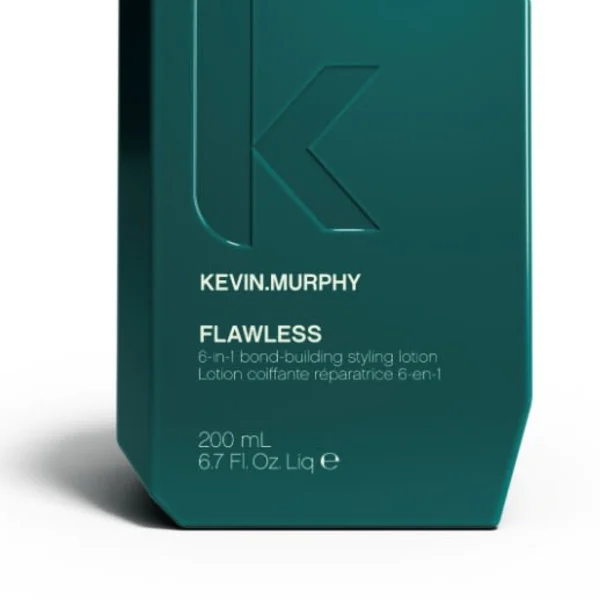
KEVIN.MURPHY's Flawless combines hair repair and styling benefits using KM.Re.Bond technology.
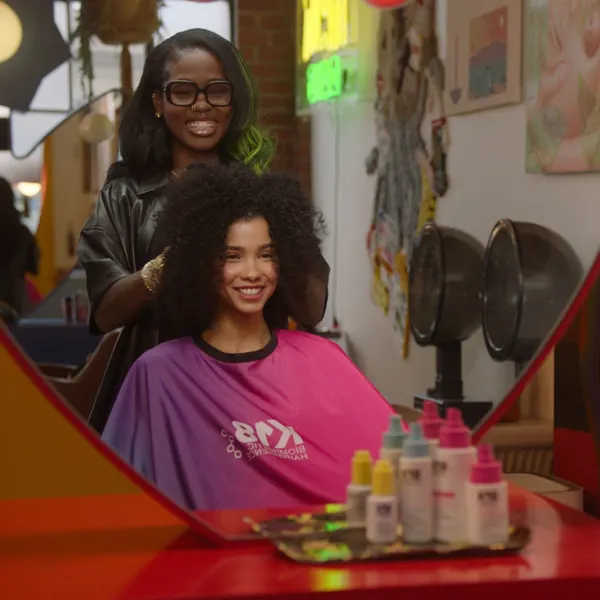
K18 Biomimetic Hairscience has partnered with Beauty Changes Lives to launch the K18 Future of Hair Scholarship, aiming to support aspiring professional stylists by reducing financial barriers to cosmetology education.
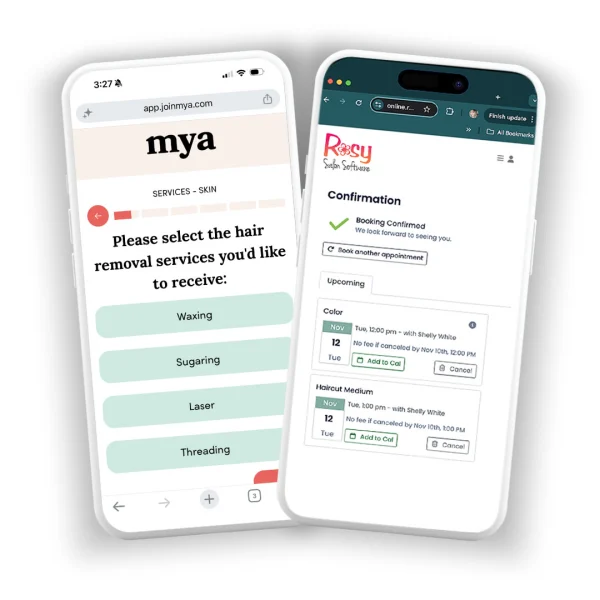
Rosy Salon Software integrates with Mya, empowering salons, spas, and barbershops to transform their websites into powerful, automated lead-generation machines.
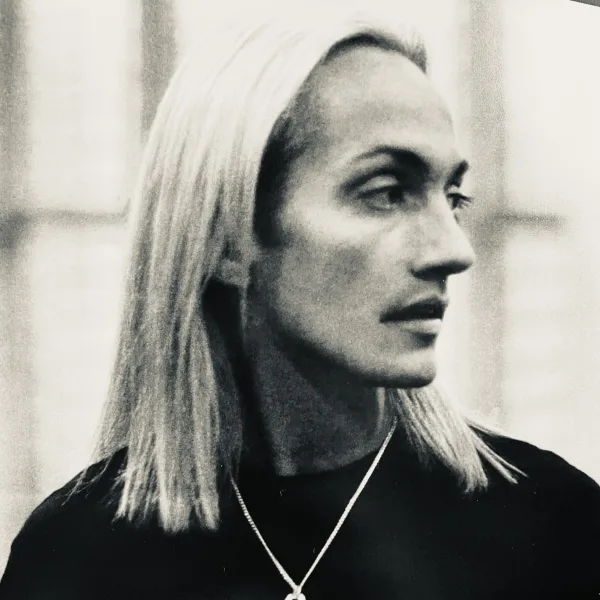
Known for his buttery blondes and a technique for highlighting hair with more precision that he called chunking, Brad Johns died on August 27. His friend and fellow colorist, David Stanko, shares thoughts on his talented colleague and close friend.

The Green Beauty Community Foundation convenes beauty brands, salon-industry leaders, educators, and sustainability organizations for a collaborative professional beauty gathering on September 23rd in New York.
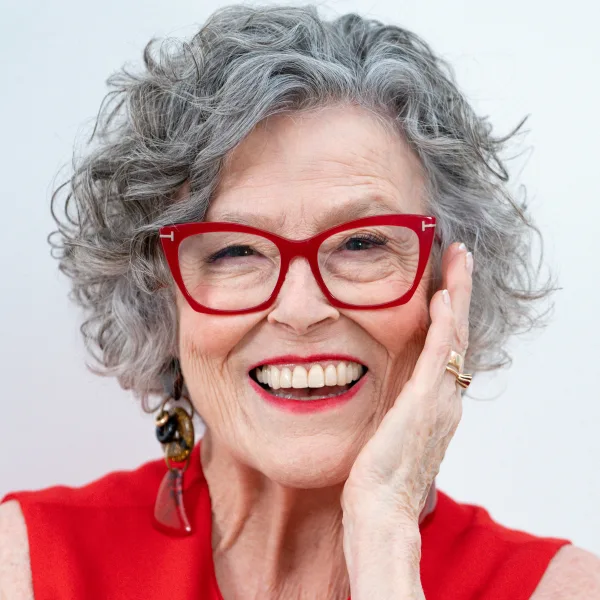
At 80, global feminist, former marriage and family therapist, executive coach, and powerlifter Barrie Zucal shows women how to stop letting “debilitating goodness” derail their dreams. Her empowering new book, BOLD: How Women Play BIG by Leading Instead of Pleasing, calls out the quiet conditioning that holds women back from achieving their ambitions — and shows them how to free themselves.

From a Santa Monica apartment startup to the nation's largest sugaring and sunless tanning brand, SUGARED + BRONZED reaches a major milestone with 50 locations across 10 markets.
The Davines Edit reflects the brand’s passion for people and planet.