








Kelly Huether Reacquires Life of Riley and Riley Salon Resources
Life of Riley Salon Supply and Riley Salon Resources are back in the family, as Kelly Huether acquires the professional distributor he co-founded in 2013.
by Staff
 MENU
MENU SEARCH
Need-to-know updates from the American Association of Cosmetology Schools.
Need-to-know updates from the American Association of Cosmetology Schools:
Kentucky Governor Matt Bevin (R) and Virginia Governor Ralph Northam (D) recently signed blow drying bills in their respective states. While the Kentucky measure established a stand-alone blow drying service license, Virginia’s bill provides for unlicensed individuals to perform such services. Additional details can be found in the bill enactments below. With 20 state legislatures actively meeting this first week of April, AACS will continue to keep you apprised of the latest developments of interest to member schools.
On the final day of Georgia’s 2018 legislative session, the Senate cleared SB 461 to be sent to Governor Nathan Deal (R) by voting unanimously to concur with House amendments. As previously reported, key provisions include: defining microblading of the eyebrow as tattooing; allowing unlicensed individuals to perform make up application during “the production of film, television, or musical entertainment or to the application of cosmetics in a retail environment;” a “medical aesthetics” prohibition by licensed estheticians, and; changing the state agency that maintains closed school transcripts from the Non-public Postsecondary Education Commission to the State Board of Cosmetology and Barbers. SB 461 also contains language allowing actively licensed schools to petition the Board for additional courses of study with a minimum of five students per course. Additionally, the measure defines the courses that all schools of hair design shall be required to teach.
Vermont’s Senate Government Operations Committee began holding hearings on HB 684 last week. This occupational reform proposes to change the regulatory model for barbers and cosmetologists from a Board model to an Advisor model. Accordingly, regulatory decisions and oversight would be made by the Director of the Office of Professional Regulation with advice from two advisors from the profession that are chosen by the Secretary of State. More importantly, the measure proposes to reduce the hours of instruction for a cosmetology license from 1,500 to 1,000. It will also reduce the hours of instruction for barbering from 1,000 to 750 hours, esthetics from 600 to 500 hours; and nail technician licensure from 400 to 200 hours. It is a relatively common practice in Vermont for a committee to hold multiple hearing on a bill.
In Tennessee, SB 2293 has been calendared for consideration on the Senate floor tomorrow. Prior to Easter, the bill’s House companion -- HB 2059 -- failed to pass the House by a vote of 26 to 46. These measures would delete a requirement that individuals applying for licensure as a barber or cosmetology school instructor be licensed for at least three continuous years. Instead, they must have been licensed as a cosmetologist/barber, aesthetician, manicurist, or cosmetologist/barber technician for at least three years.
Finally, Louisiana’s House Commerce Committee favorably reported a bill yesterday regarding State Board of Cosmetology fees. HB 491 retains present law regarding the fees but pares down the specificity of each, combining classifications and raising the fees in certain instances. Additionally, the measure proposes to increase fines from $25 to $35 per violation of law.
State Bill Enactments
Kentucky HB 260 – Effective March 30, 2018 As previously reported, the measure makes numerous updates to the state’s Barbering and Cosmetology Acts, including establishing student permits for barbering. HB 260 also: adds a definition of “esthetic practices;” changes the minimum age for a cosmetology license from 16 to 18; establishes a 750 hour course of instruction for licensure as an esthetician; reduces the course of instruction for nail technicians from 600 to 450 hours; lowers the hours required for instructor licensure from 1,000 to 750; adds a requirement that instructors must hold a current cosmetologist, esthetician, or nail technician license for at least one year; permits “threading,” “eyelash artistry,” and “makeup artistry” in a salon with a permit; and gives the Board of Hairdressers and Cosmetologists the authority to establish various fees.
Kentucky SB 106 As previously reported, this measure establishes a 450 hour blow drying services license. SB 106 defines "blow drying services" to include any of the following services performed on an individual's hair: arranging; cleaning; curling; dressing; blow drying; and performing any other similar procedure. The measure also provides for the licensure of “limited beauty salons” that provide only “blow drying services.” Pursuant to the measure, Kentucky’s Board of Hairdressers and Cosmetologists shall promulgate administrative regulations by December 31, 2018 “establishing the educational curriculum required to obtain a license to provide blow drying services.” Utah SB 63 – Effective May 8, 2018 The bill allows the Utah Division of Occupational and Professional Licensing to offer required examinations for cosmetology and related professions in languages in addition to English. Virginia HB 790 – Effective July 1, 2018 The measure exempts persons working in a cosmetology salon whose duties are expressly confined to the "blow drying, arranging, dressing, curling, or cleansing of human hair" from licensure. As previously reported, it appears that the version passed by the General Assembly will however allow Virginia’s Board for Barbers and Cosmetology to regulate blow-drying and styling salons.
Upcoming Hearing
April 16, 2018 – California Senate Business, Professions and Economic Development Committee Hearing on SB 999
This bill would remove shampooing from the practice of barbering and cosmetology.
Links to the bills mentioned in this update can be found in AACS’ Bill Tracking Portal at:
https://www.billtrack50.com/Public/Stakeholder/Jt1rI23hjU2jC1MOSr6KVA/Embedded.
Life of Riley Salon Supply and Riley Salon Resources are back in the family, as Kelly Huether acquires the professional distributor he co-founded in 2013.
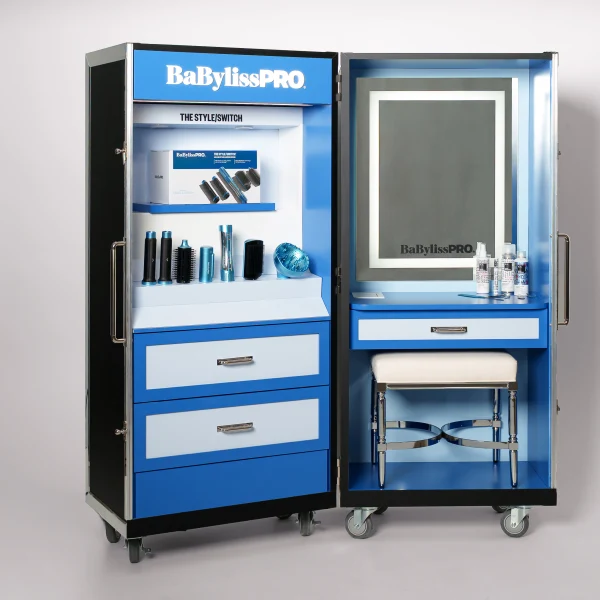
BaBylissPRO and IGK have partnered to launch the BaBylissPRO Studio Trunk, transforming the professional tool brand’s digital Style Studio into a physical experience for the first time in its sixty-year history.
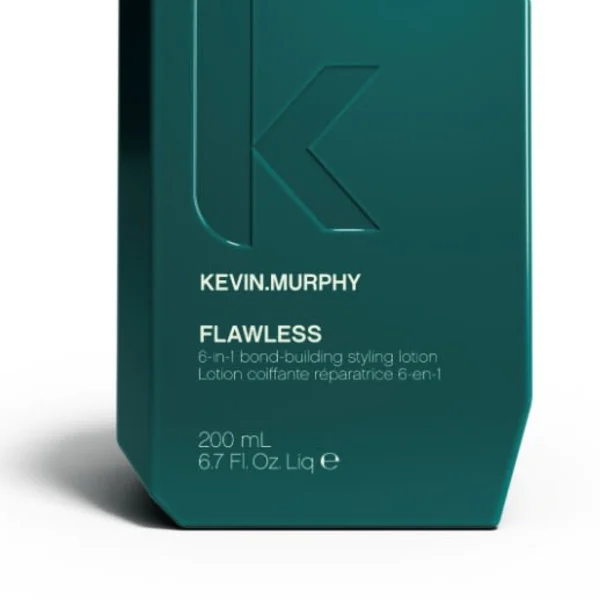
KEVIN.MURPHY's Flawless combines hair repair and styling benefits using KM.Re.Bond technology.
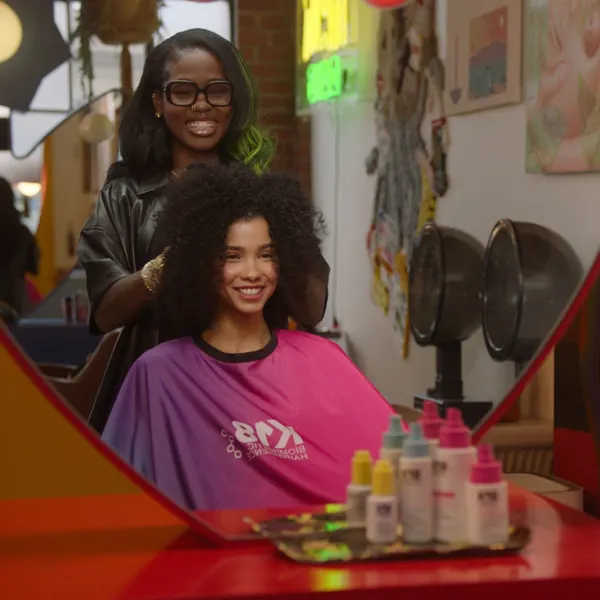
K18 Biomimetic Hairscience has partnered with Beauty Changes Lives to launch the K18 Future of Hair Scholarship, aiming to support aspiring professional stylists by reducing financial barriers to cosmetology education.
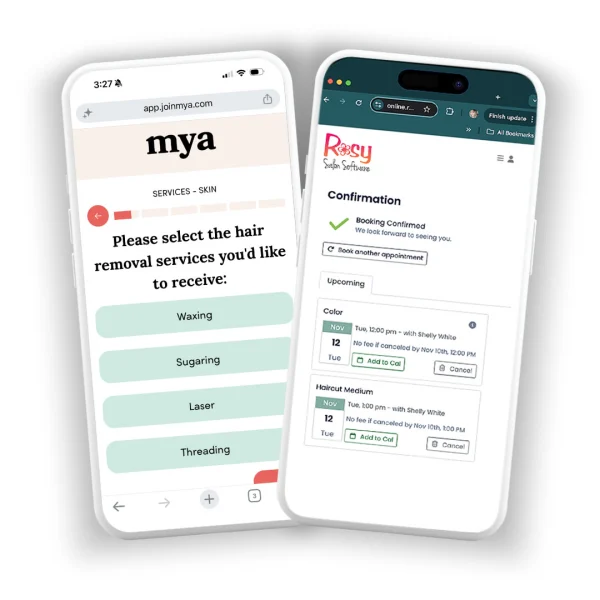
Rosy Salon Software integrates with Mya, empowering salons, spas, and barbershops to transform their websites into powerful, automated lead-generation machines.
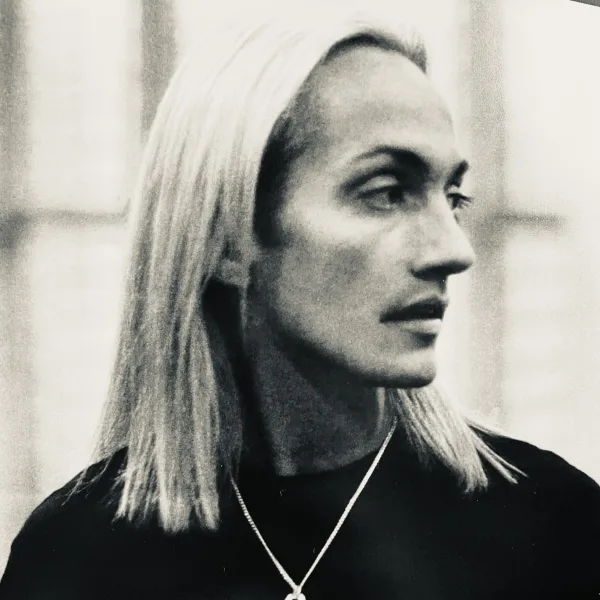
Known for his buttery blondes and a technique for highlighting hair with more precision that he called chunking, Brad Johns died on August 27. His friend and fellow colorist, David Stanko, shares thoughts on his talented colleague and close friend.
The Green Beauty Community Foundation convenes beauty brands, salon-industry leaders, educators, and sustainability organizations for a collaborative professional beauty gathering on September 23rd in New York.
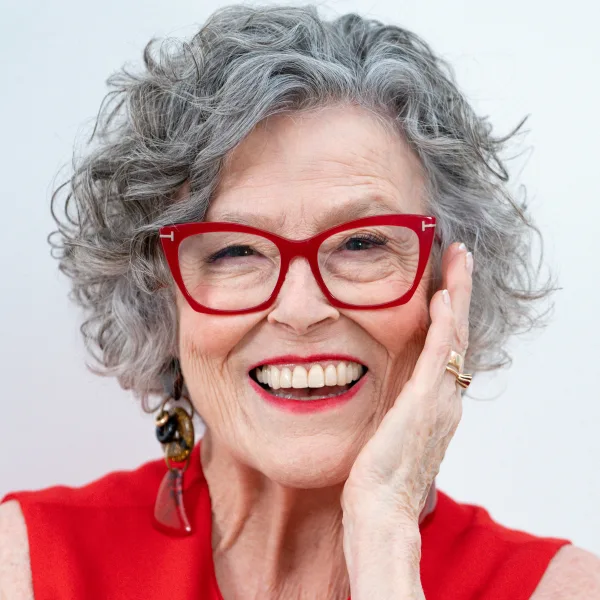
At 80, global feminist, former marriage and family therapist, executive coach, and powerlifter Barrie Zucal shows women how to stop letting “debilitating goodness” derail their dreams. Her empowering new book, BOLD: How Women Play BIG by Leading Instead of Pleasing, calls out the quiet conditioning that holds women back from achieving their ambitions — and shows them how to free themselves.
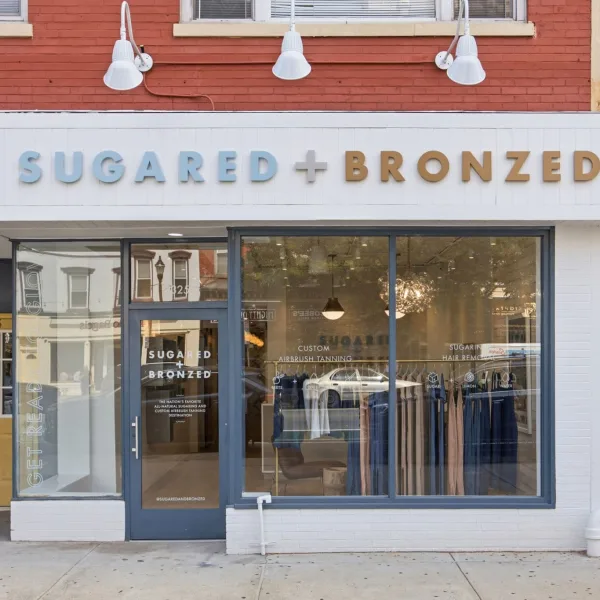
From a Santa Monica apartment startup to the nation's largest sugaring and sunless tanning brand, SUGARED + BRONZED reaches a major milestone with 50 locations across 10 markets.
The Davines Edit reflects the brand’s passion for people and planet.