








Kelly Huether Reacquires Life of Riley and Riley Salon Resources
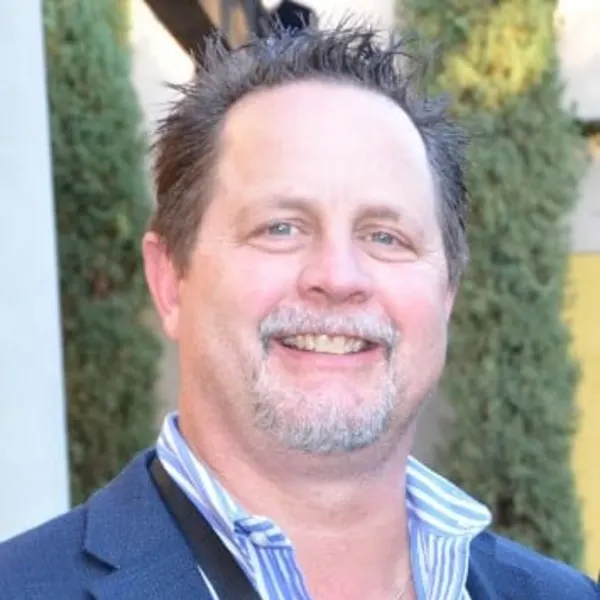
Life of Riley Salon Supply and Riley Salon Resources are back in the family, as Kelly Huether acquires the professional distributor he co-founded in 2013.
by Staff
 MENU
MENU SEARCH
Beginning Jan. 1, 2017, Illinois is requiring all licensed salon professionals within the state of Illinois to be trained on how to handle situations of domestic violence when speaking with clients.

Because of the intimate one-on-one time beauty professionals spend with clients, they get insight not only in learning about clients' hair goals, but also their lifestyles, day-to-day activities, and details into their personal lives.
Recognizing the close relationships stylists develop with their clients, effective Jan. 1st, Illinois will require all licensed professionals within the state to be trained on how to handle situations of domestic violence when speaking with clients.
The law requires hairstylists, barbers, estheticians, braiders and nail technicians to complete an hour-long course when applying for a new license. This new measure, signed into law by Gov. Bruce Rauner last summer, impacts 88,000 beauty professionals throughout Illinois, and will be enforced by the Department of Financial and Professional Regulation.
The curriculum was created with domestic violence and sexual assault awareness group, Chicago Says No More, and championed, modified and co-developed by Cosmetologists Chicago (CC). lllinois is the first state to adopt such a mandate, passed as an amendment to the Barber, Cosmetology, Hair Braiding and Nail Technology Act of 1985.
The law doesn’t require professionals to report the crime (nor are pros civilly liable) should any amount of evidence suggesting abuse be noticed. However, through required training, professionals will learn how to properly support those facing such circumstances and how to address it.
According to Kristie Paskvan, founder of Chicago Says No More, the curriculum walks through how to listen, support and connect with clients.
“It also provides them with the tools and resources – primarily hotline numbers – to share with clients if they so choose,” she says. “Some signs aren’t going to be there, and sometimes it’s not physical. It could be people being withdrawn or really struggling with relationships.”
Cosmetologists Chicago, which represents more than 14,000 salon professionals, worked to ensure this requirement would not take away from the technical and business education salon professionals need to pursue their careers, thereby protecting the current Continuing Education requirement of Illinois law. Also, that the new legislation would not hold cosmetologists liable for any action or inaction relating to domestic violence or sexual assault information provided to a client, family or friends.
“CC takes its responsibility of protecting not only our members, but also all cosmetologists very seriously,” says Larry Silvestri, president of Cosmetologists Chicago and COO, Mario Tricoci Salons & Spas.“We support any program that may help save a life, that may solidify the unique relationship between clients and their salon service providers and that will elevate the status of cosmetologists in the eyes of consumers. As our industry’s workforce is predominantly female, we support any program that helps keep women safe. The training will help protect our workforce as well as their clients, friends and families.”
The result of CC's activity, SIlvestri says, led to the inclusion of language in the legislation that removes liability from a cosmetologist and limits the training to be covered to one (1) required Continuing Education Hour to be taken during the license renewal period following the bill’s enactment.
“Our goal, as always, is for salon professionals to be safe, aware and successful,” Silvestri says.
If you or someone you know is experiencing domestic violence, contact the National Domestic Violence Hotline at 800-799-SAFE.
Originally posted on Modern Salon
Life of Riley Salon Supply and Riley Salon Resources are back in the family, as Kelly Huether acquires the professional distributor he co-founded in 2013.
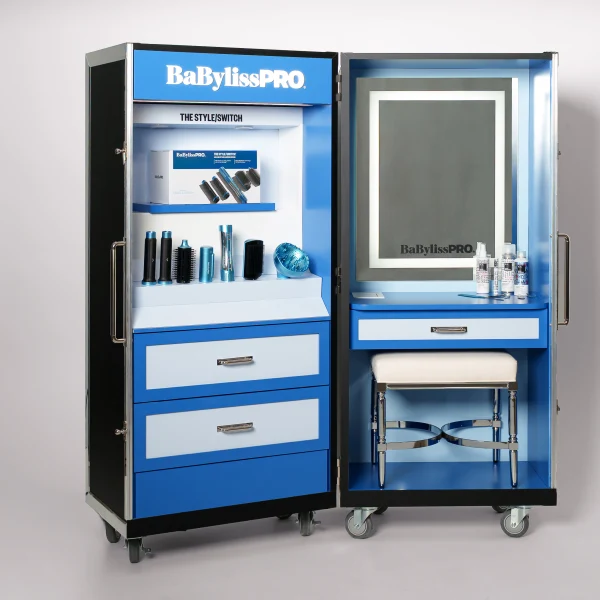
BaBylissPRO and IGK have partnered to launch the BaBylissPRO Studio Trunk, transforming the professional tool brand’s digital Style Studio into a physical experience for the first time in its sixty-year history.
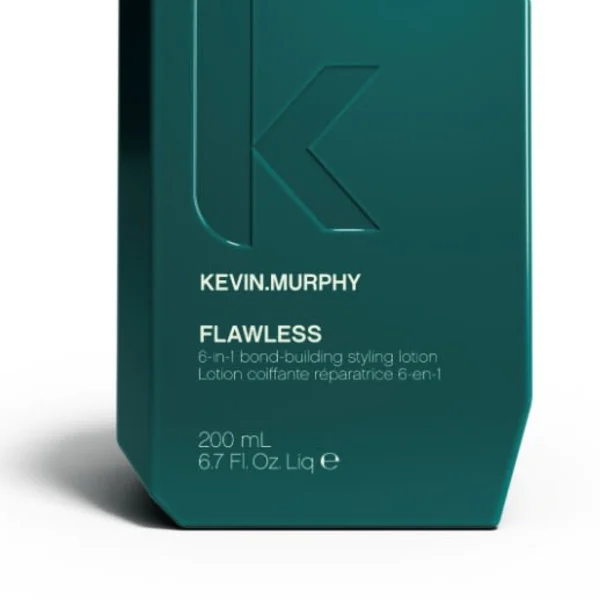
KEVIN.MURPHY's Flawless combines hair repair and styling benefits using KM.Re.Bond technology.
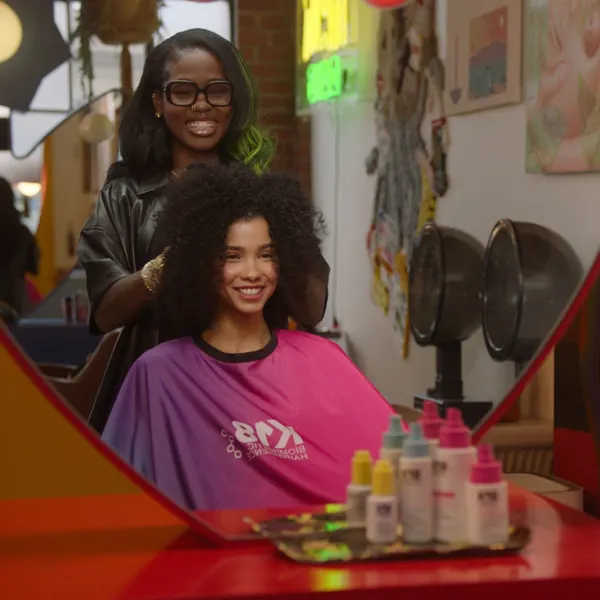
K18 Biomimetic Hairscience has partnered with Beauty Changes Lives to launch the K18 Future of Hair Scholarship, aiming to support aspiring professional stylists by reducing financial barriers to cosmetology education.
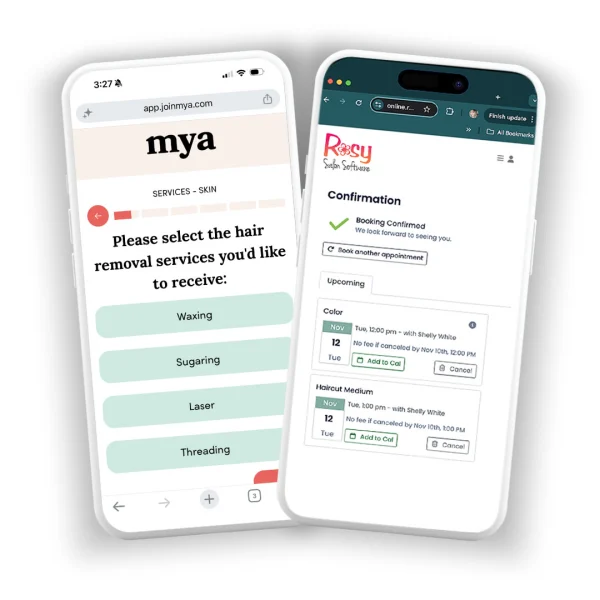
Rosy Salon Software integrates with Mya, empowering salons, spas, and barbershops to transform their websites into powerful, automated lead-generation machines.
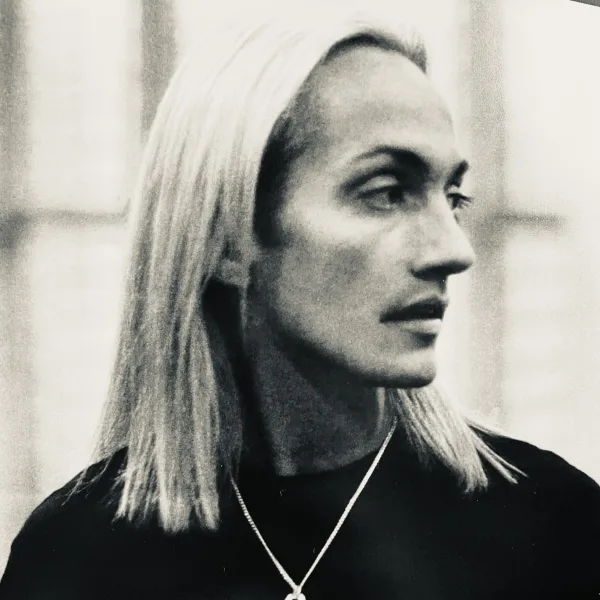
Known for his buttery blondes and a technique for highlighting hair with more precision that he called chunking, Brad Johns died on August 27. His friend and fellow colorist, David Stanko, shares thoughts on his talented colleague and close friend.

The Green Beauty Community Foundation convenes beauty brands, salon-industry leaders, educators, and sustainability organizations for a collaborative professional beauty gathering on September 23rd in New York.
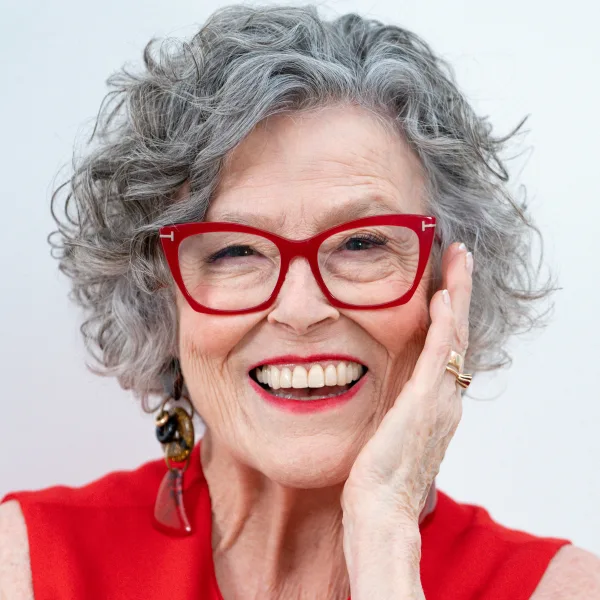
At 80, global feminist, former marriage and family therapist, executive coach, and powerlifter Barrie Zucal shows women how to stop letting “debilitating goodness” derail their dreams. Her empowering new book, BOLD: How Women Play BIG by Leading Instead of Pleasing, calls out the quiet conditioning that holds women back from achieving their ambitions — and shows them how to free themselves.
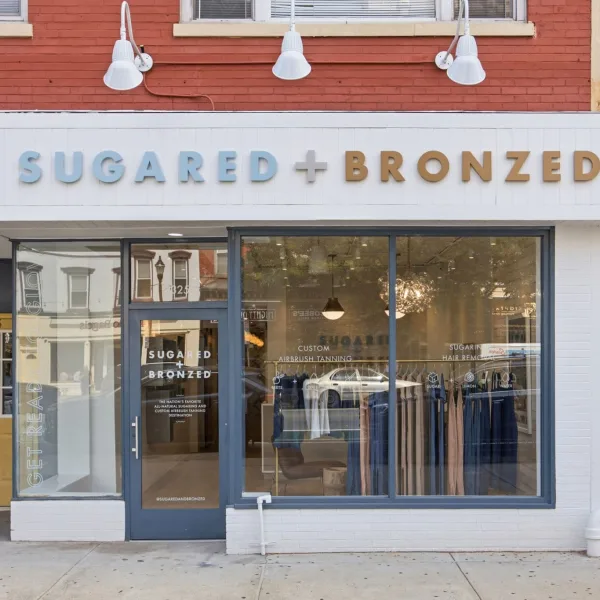
From a Santa Monica apartment startup to the nation's largest sugaring and sunless tanning brand, SUGARED + BRONZED reaches a major milestone with 50 locations across 10 markets.
The Davines Edit reflects the brand’s passion for people and planet.