








Kelly Huether Reacquires Life of Riley and Riley Salon Resources
Life of Riley Salon Supply and Riley Salon Resources are back in the family, as Kelly Huether acquires the professional distributor he co-founded in 2013.
by Staff
 MENU
MENU SEARCH
Before hitting the stage at the Data-Driven Salon Summit, Emory University’s Benn Konsynski, Ph.D., gives us a glimpse at the technological capabilities that are emerging and how that can impact salons.

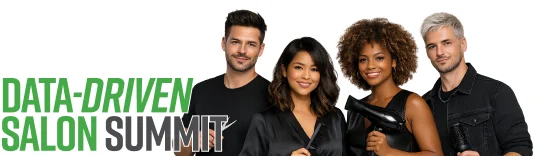
Change is definitely on the horizon for salon and spa owners and managers, and while that will make things different, it can also make them very productive, says Benn Konsynski, Ph.D., professor of information systems and operations management at the Goizueta Business School at Emory University. Konsynski will be the mainstage speaker kicking off the second annual Data-Driven Salon Summit, hosted by Salon Today and Zeezor in Atlanta, Georgia, May 20-22, 2018 at the Hilton Atlanta Northeast.
Salon Today’s Stacey Soble recently had the opportunity to sit down with Konsynski to find out how technology and data will be shaping the landscape for salons and spas:
Salon Today: “You seem particularly excited about the future of business in light of technological changes, why is today so different?”
Dr. Konsysnski: “Data is more important than ever, and we’ve never had a richer opportunity to collect information in an inexpensive way and in a continuous and timely fashion, and which is actionable at the time we capture it. The biggest factor that is changing is our ability to use data to deal with business issues in real time, and not later, after analysis. That means data now offers a continuous audit and control mechanism that is very different than just a few years ago.
“For example, salon owners can monitor stylists’ activities and assist them in ways they never could in the past and they can do it from home, another office or if they’re in an additional location. It’s like having a virtual digital twin in each salon location. If there is an issue trending or a situation, your digital twin can bring it to your attention.”
SALON TODAY: How does this change the lives of entrepreneurs?
Dr. Konsynski: “It means you can be there when you can’t be there, which eliminates guilt in folks who open a salon and feel the business is out of control when they are not there. Now, they can contain and sustain activities in the salon without their physical presence. Salon owners can now be part of a new social arrangement and engagement and more in tune with the needs of their stylists and the needs of their clients. Think of it as a new way of partnering between the stylist, the client and the salon.”
SALON TODAY: How will this help drive profitability?
Dr. Konsynski: “With alerts and alarms tied to data, it amplifies signals to owners so they can take preventative action before a trend becomes an issue--whether you’re responding to a stylist’s bad habit, reacting to a client demand or managing an issue with inventory. Data can help you predict and prepare for a situation before it negatively impacts the bottom line.
“The concept of a digital twin is an area that is drastically changing the landscape in the industrial world. Whether an owner is managing a factory or a remote workforce, they don’t have to feel detached. They are integrated. For a salon, this means that you could manage a multi-location salon and create a whole new relationship across your portfolio of salons.
“I used to do work with Mrs. Fields Cookies, and the founder Debbi Fields once said to me, ‘I want to run 500 stores like I used to run three. It was fun when I ran three.’ Notice she didn’t say one, but three. There’s an aspiration to her sense of experience. She wanted to scale up the business, but be able to continue to manage its culture.
“With raw observation, measurements and sensors, an owner can have a connection with each individual location. Your digital twin can help you grow the size of your operation with less risk. Before, you’d have to hire a manager for each location that you absolutely trusted and rely on them to maintain consistency and the culture of the rest of the operation—and that could be problematic as there can be a high rate of turnover with managers.”
SALON TODAY: How will this impact a salon’s relationship with its clientele?
Dr. Konsynski: “You have to start thinking about how you can grow faster in the 21th century by embracing change instead of just speeding up the mess of 20th century practices. Lots of business owners have a ‘Whack-A-Mole’ solution to their problem sets. But when we take on modern practices, we can grow in an entirely new fashion than ever before. For example, 10 years ago you would never have told your kid to get in the car with a stranger, but now if your teen needs to go somewhere you tell them to call Uber. With informations systems, complexity doesn’t matter—the impossible is doable today.
“We are making a digital transition in the 21st century. There’s never been a better opportunity to continuously touch our customers. And, you don’t need a complicated survey to do that, just a simple, imaginative comment through an app or chatbot. Artificial intelligence and analysis can understand a community of relationships. For example, Millennials hate calling someone else, and they hate having to go to your website and browse your menu trying to find what they are looking for. They are going to engage with companies that come to where they hang out, whether that’s Instagram, What’s App?, or Skype, and offer them things that match their needs. An example is the weather app Poncho, which knows where a user is located and has a chatbot that talks to them about their needs in regards to weather each day. I teach a class called ‘Appcology’ and 40 percent of my students are developing apps that have chatbots—so it’s a very real possibility for a salon.”
To find out more or to buy a ticket, Data-Driven Salon Summit.
Life of Riley Salon Supply and Riley Salon Resources are back in the family, as Kelly Huether acquires the professional distributor he co-founded in 2013.
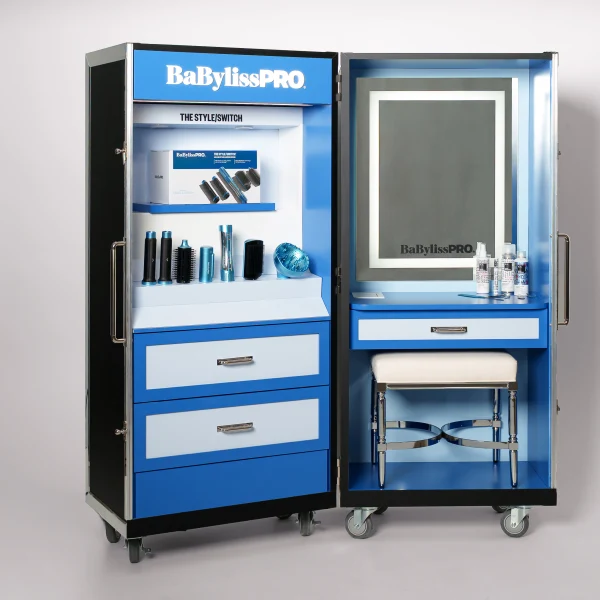
BaBylissPRO and IGK have partnered to launch the BaBylissPRO Studio Trunk, transforming the professional tool brand’s digital Style Studio into a physical experience for the first time in its sixty-year history.
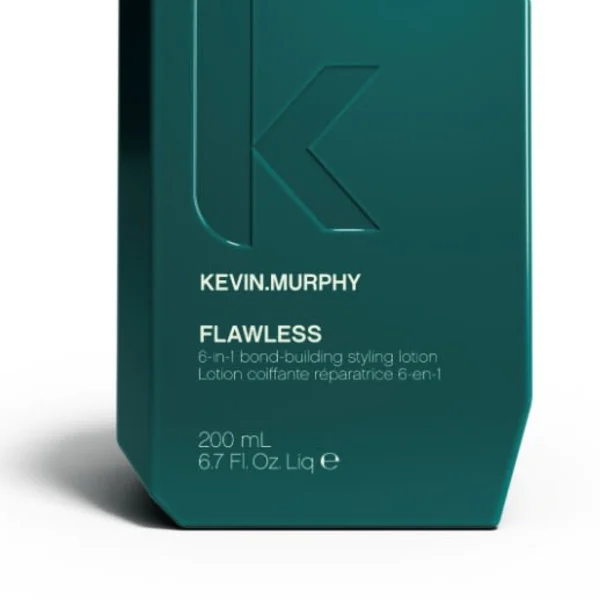
KEVIN.MURPHY's Flawless combines hair repair and styling benefits using KM.Re.Bond technology.
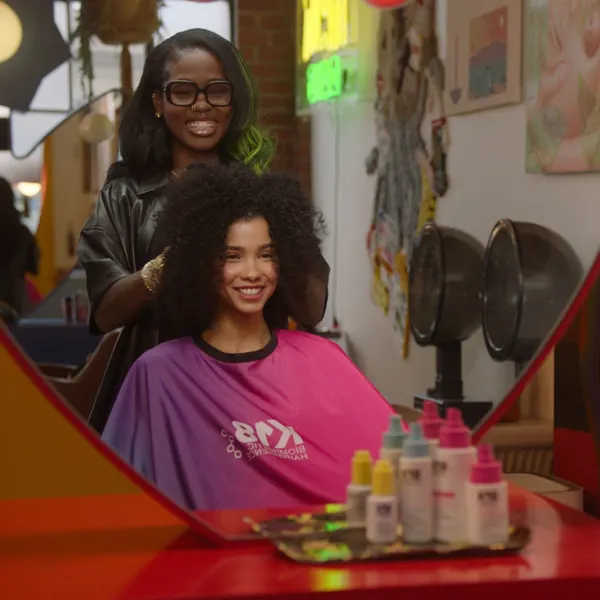
K18 Biomimetic Hairscience has partnered with Beauty Changes Lives to launch the K18 Future of Hair Scholarship, aiming to support aspiring professional stylists by reducing financial barriers to cosmetology education.
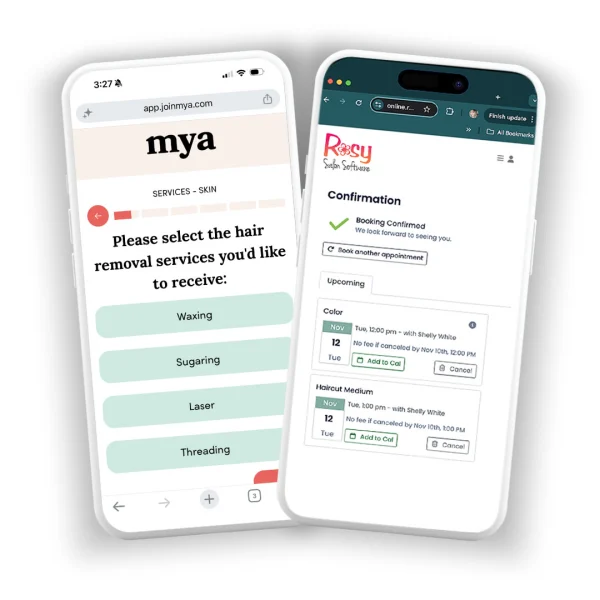
Rosy Salon Software integrates with Mya, empowering salons, spas, and barbershops to transform their websites into powerful, automated lead-generation machines.
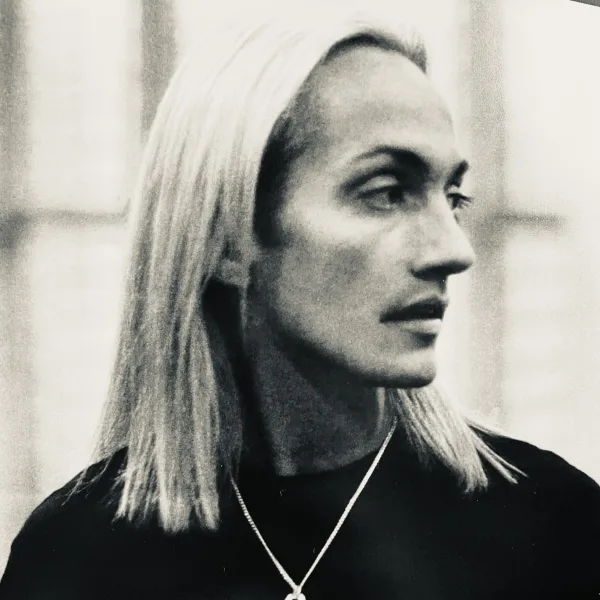
Known for his buttery blondes and a technique for highlighting hair with more precision that he called chunking, Brad Johns died on August 27. His friend and fellow colorist, David Stanko, shares thoughts on his talented colleague and close friend.

The Green Beauty Community Foundation convenes beauty brands, salon-industry leaders, educators, and sustainability organizations for a collaborative professional beauty gathering on September 23rd in New York.
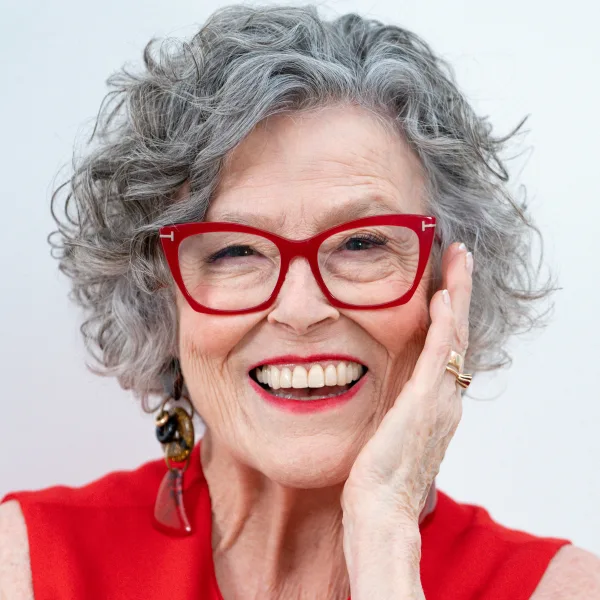
At 80, global feminist, former marriage and family therapist, executive coach, and powerlifter Barrie Zucal shows women how to stop letting “debilitating goodness” derail their dreams. Her empowering new book, BOLD: How Women Play BIG by Leading Instead of Pleasing, calls out the quiet conditioning that holds women back from achieving their ambitions — and shows them how to free themselves.
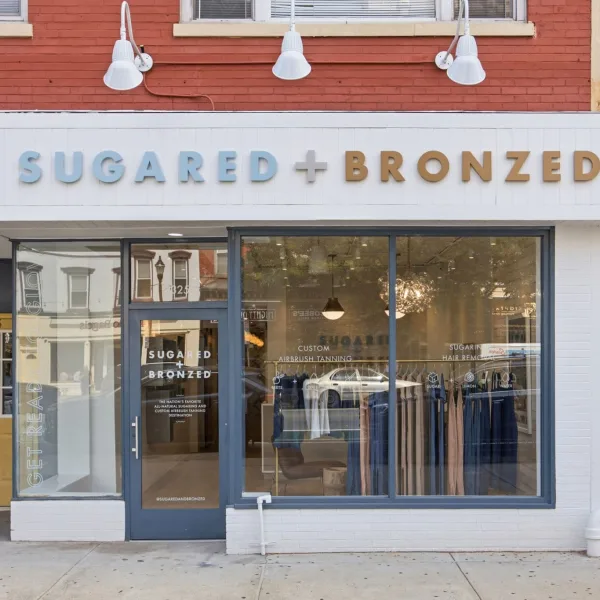
From a Santa Monica apartment startup to the nation's largest sugaring and sunless tanning brand, SUGARED + BRONZED reaches a major milestone with 50 locations across 10 markets.
The Davines Edit reflects the brand’s passion for people and planet.